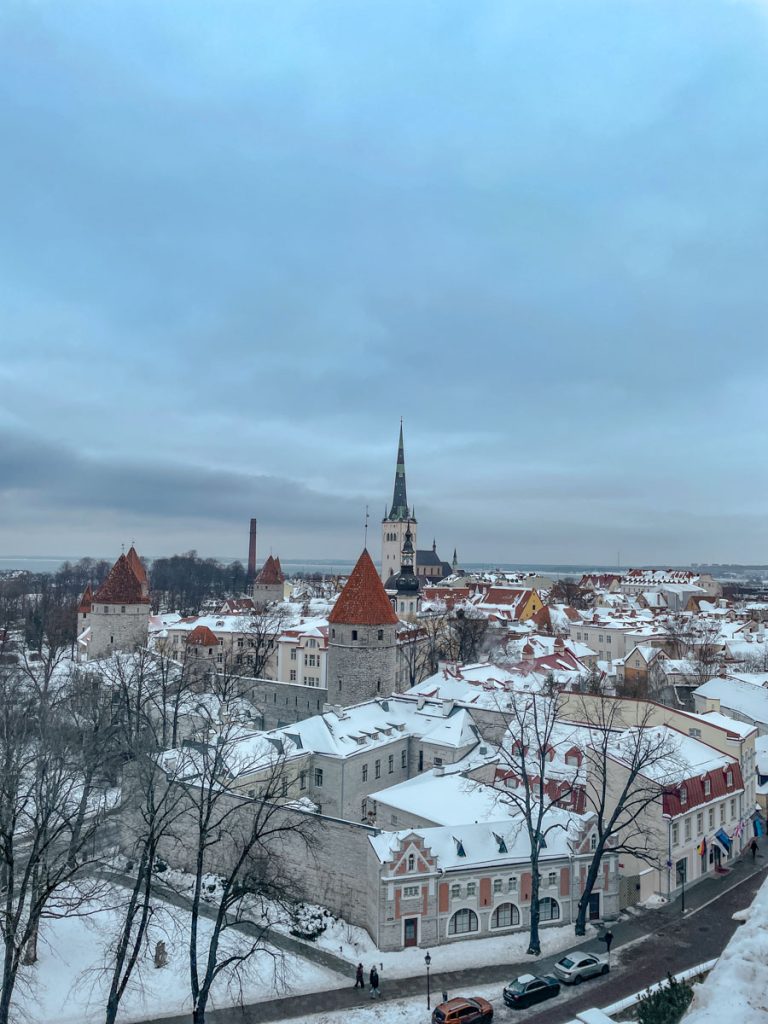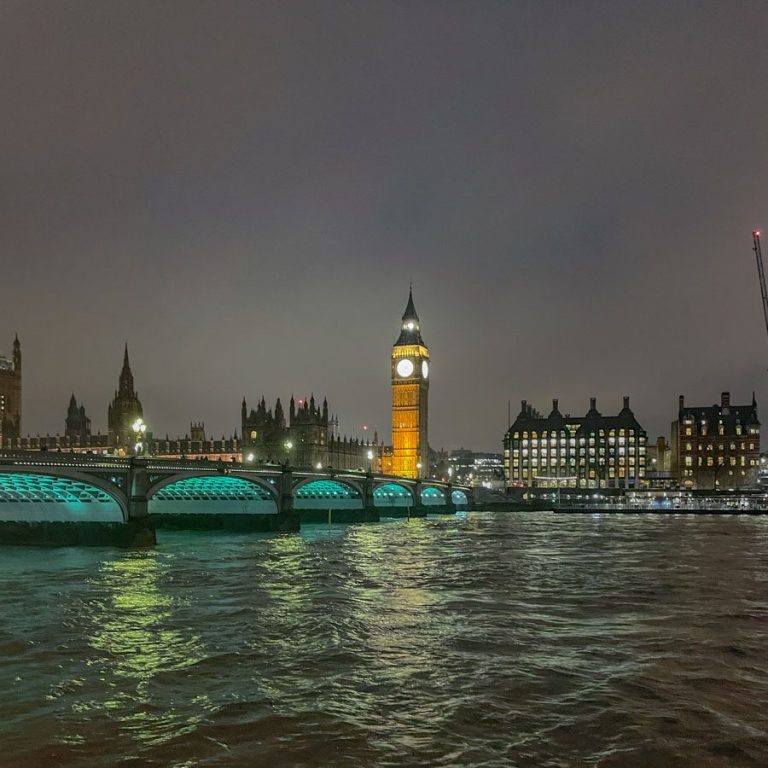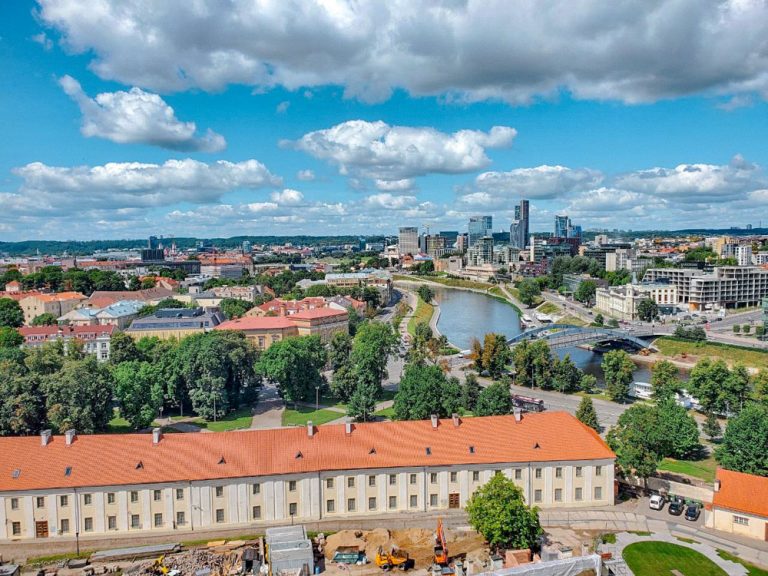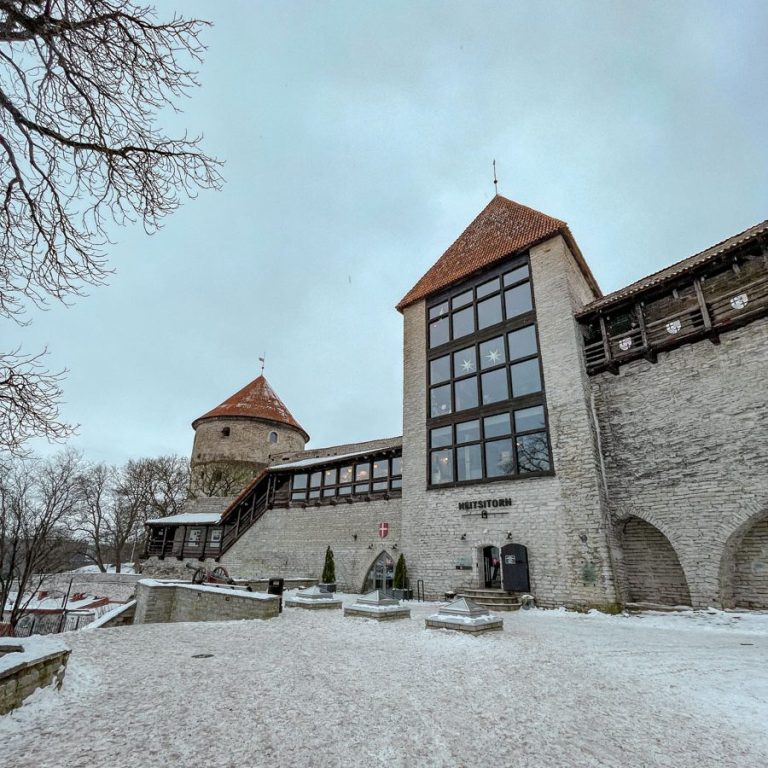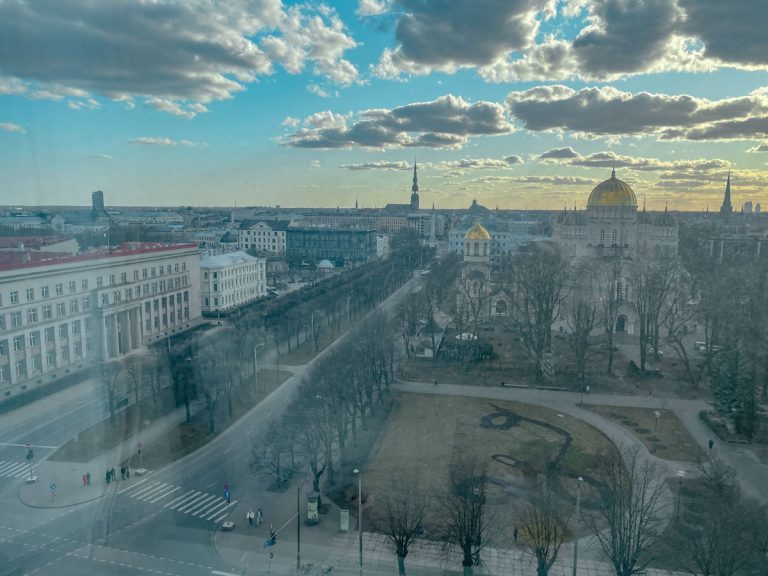

Discover why Vilnius is worth visiting and should be on your itinerary.
If you’re planning a European trip and wondering whether Vilnius is worth adding to your itinerary, the short answer is yes, absolutely. Vilnius is a seriously underrated city in Europe. It’s welcoming, walkable, rich in history, and full of creative energy, without the overwhelming crowds you find in larger European capitals.
I’ve been to Vilnius twice, once in the summer and once in the winter, and both times I had a blast.
While the vibe couldn’t be different depending on the season, you’ll find plenty of fun things to do year-round, including exploring medieval castles and cobblestone streets, visiting important religious and historical sites, and going to cute cafes.
Vilnius is such an underrated gem, and it definitely deserves more attention in 2026 and beyond! These are some of the best things to do in Vilnius to add to your travel itinerary, and why I’d recommend the city to any traveler.
Short on Time?
Vilnius is incredibly easy to explore, even if you’re short on time. You can see many of the highlights in just one day, but spending two or three days allows you to slow down and really appreciate the city’s layers. Guided tours are especially helpful for understanding Lithuania’s complex history, while day trips like Trakai Castle add depth to your visit.
- Old Town Walking Tour: The easiest way to see Vilnius’ UNESCO-listed Old Town.
- The Way of Freedom Tour: A powerful guided experience covering Soviet occupation history.
- Trakai Island Castle Day Trip: Visit Lithuania’s most iconic fairytale castle on a half-day tour just outside the city.
Because the city is compact and well-connected, it’s pretty easy to plan a great itinerary!
What First-Time Travelers Can Expect in Vilnius
Historic Charm and UNESCO Heritage
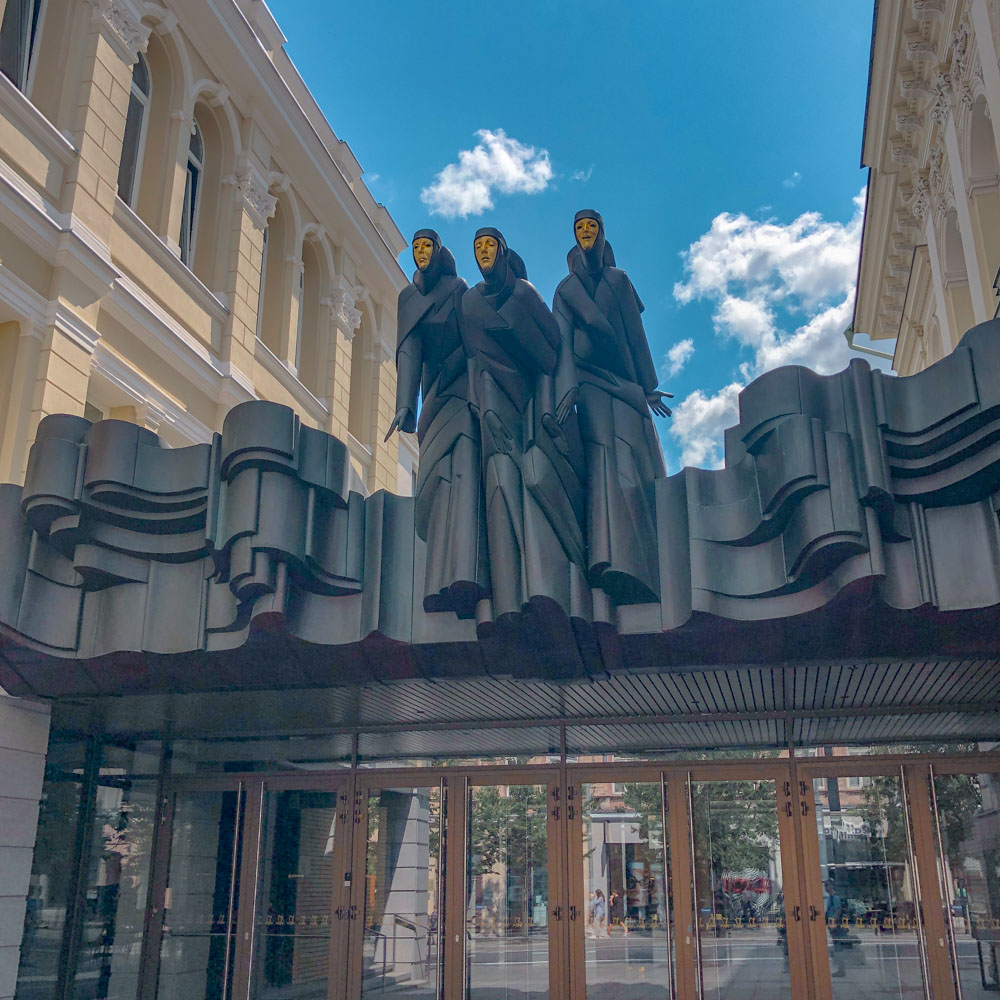
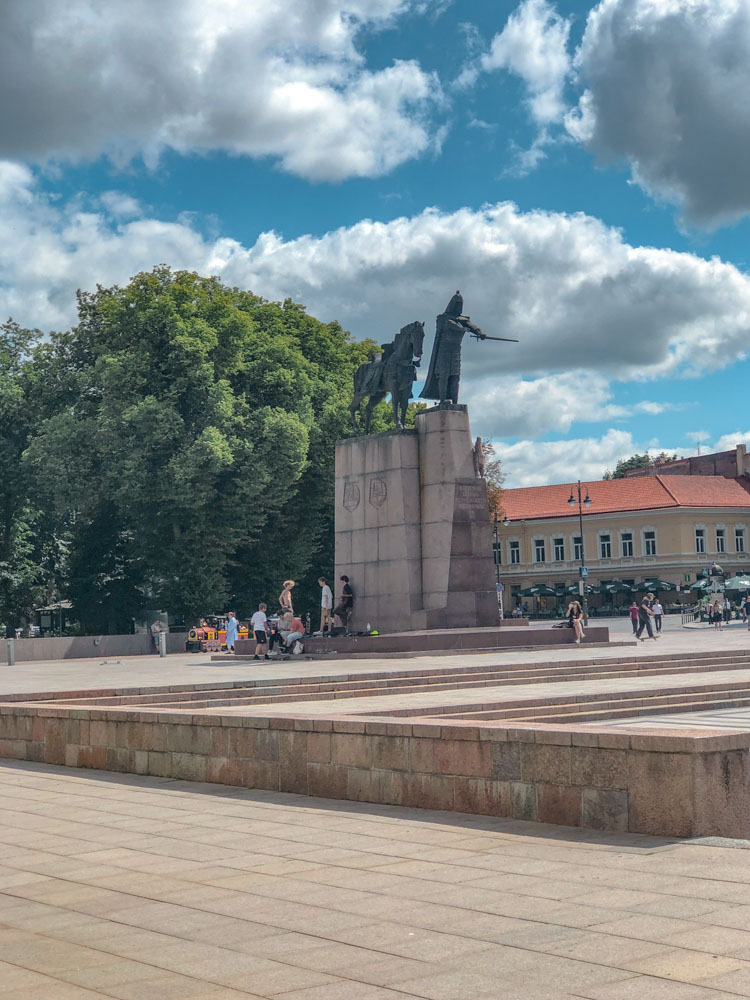
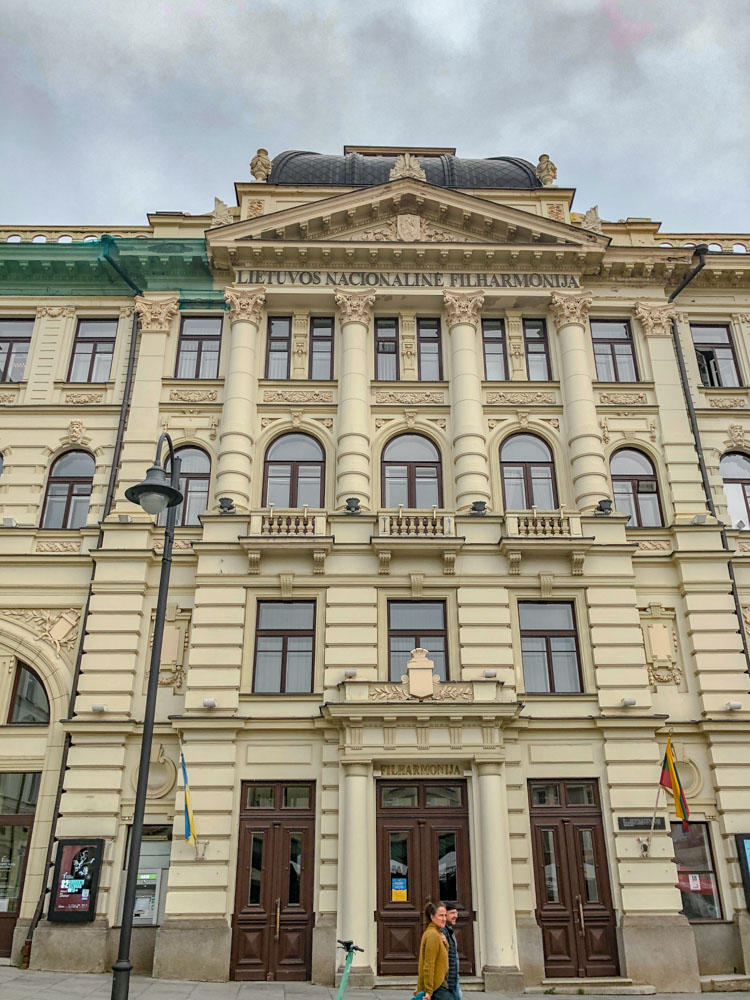
Vilnius is home to one of the largest and best-preserved Old Towns in Europe, and walking through it truly feels like you’re stepping back in time. Every street has something new, between cobblestone streets, pastel-colored buildings, ornate baroque churches, quiet courtyards tucked behind heavy wooden doors.
You can wander throughout the Old Town without a plan and stumble upon something beautiful or historically significant. There are also lots of cute cafes and shops popping up in Old Town, as the city tried to build off of its older surroundings and provide modern amenities.
Vilnius’ Old Town is a UNESCO World Heritage Site, and the history is right in front of you, lived in, and incredibly well preserved.
A Less Crowded European Capital
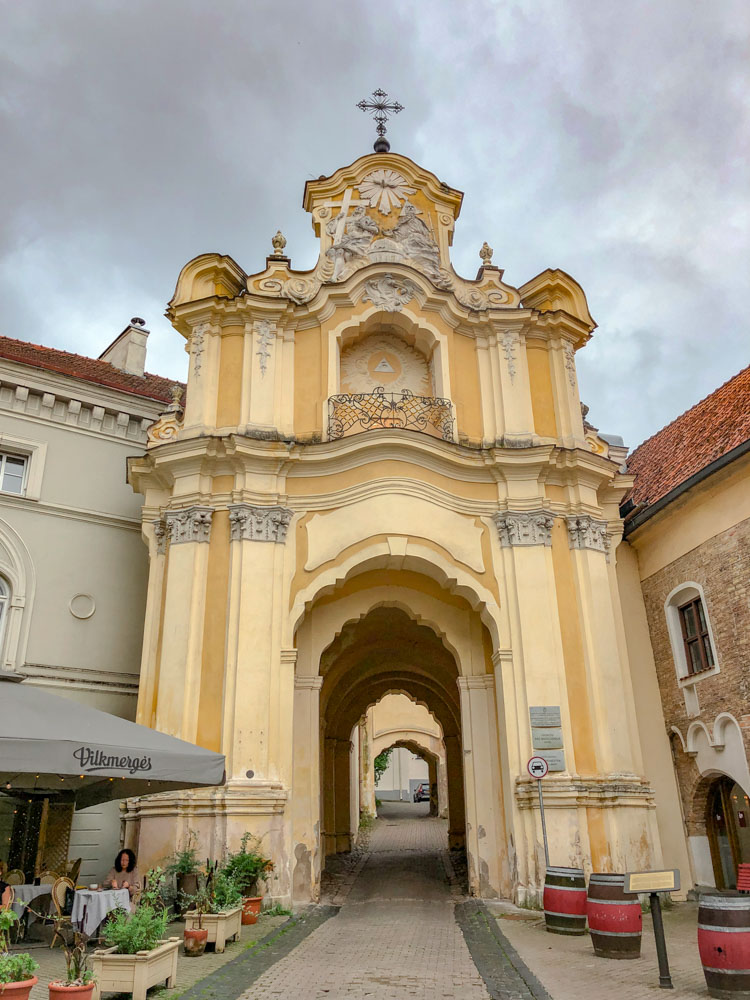
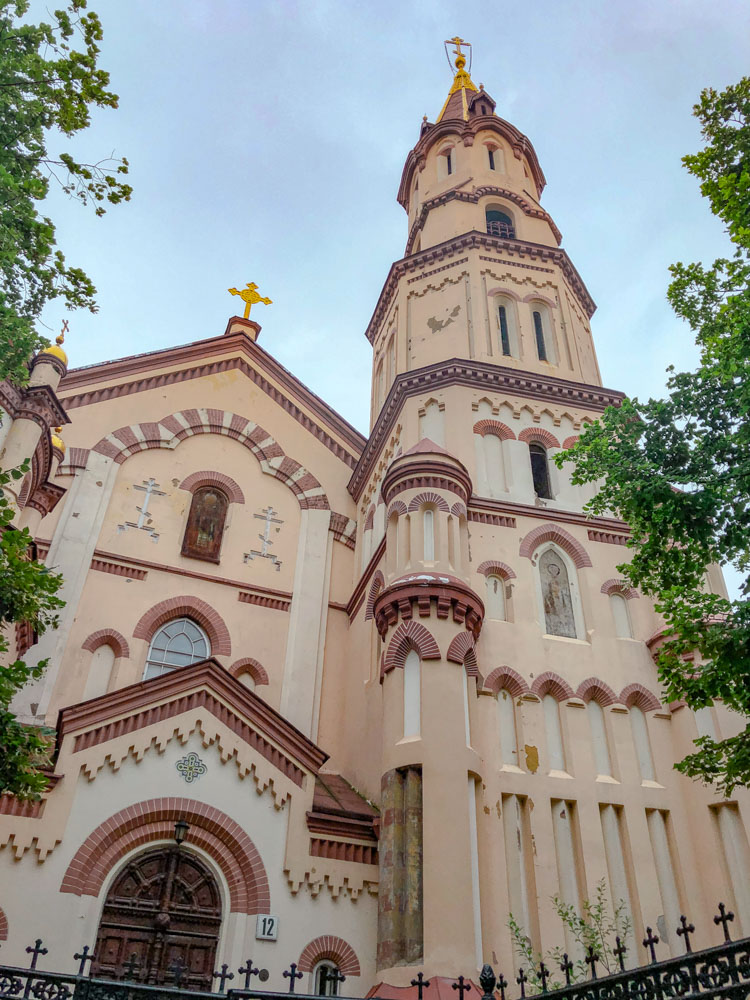
One of the biggest and most pleasant surprises about Vilnius is how calm it feels compared to other European capitals like Paris or Berlin. Even during peak travel season like in the summertime, the city never feels chaotic or overly crowded.
You can enjoy popular landmarks without being shoulder-to-shoulder with tour groups or rushing through photo stops. Wandering the streets feels relaxed and enjoyable, and you have plenty of space to really soak in the atmosphere rather than just checking sights off a list.
Friendly and Welcoming Atmosphere
Vilnius has a genuinely warm, welcoming feel that you notice almost immediately. There’s none of that intimidating or rushed energy you sometimes feel in larger European capitals. Locals are patient, kind, and genuinely helpful, whether you’re asking for directions, ordering food, or navigating public transportation.
There’s also no pressure to speak Lithuanian perfectly or at all. English is widely spoken, especially in Old Town, hotels, cafés, and tour settings, which makes getting around feel easy and stress-free.
The overall vibe is relaxed and respectful, and it’s the kind of city where you feel comfortable exploring independently.
Creative Energy and Cultural Life
Even though Vilnius is one of the oldest cities in the region, it has a strong creative side.
You’ll notice it in independent art galleries, museums, colorful street art, and design-forward cafés. Neighborhoods like Užupis really lean into this identity, proudly embracing their reputation as an artistic hub with public art, quirky details, and a free-spirited atmosphere.
Positive and Optimistic Spirit
Vilnius carries a strong sense of resilience and optimism that’s deeply tied to its history. The city has faced centuries of political change, occupation, and hardship, and that past has shaped a deep appreciation for independence, freedom, and identity. You can feel that pride in how history is preserved, discussed, and honored.
At the same time, Vilnius feels forward-thinking and youthful, with new cafés, cultural spaces, and creative projects constantly popping up.
Compact Size for Easy Exploration
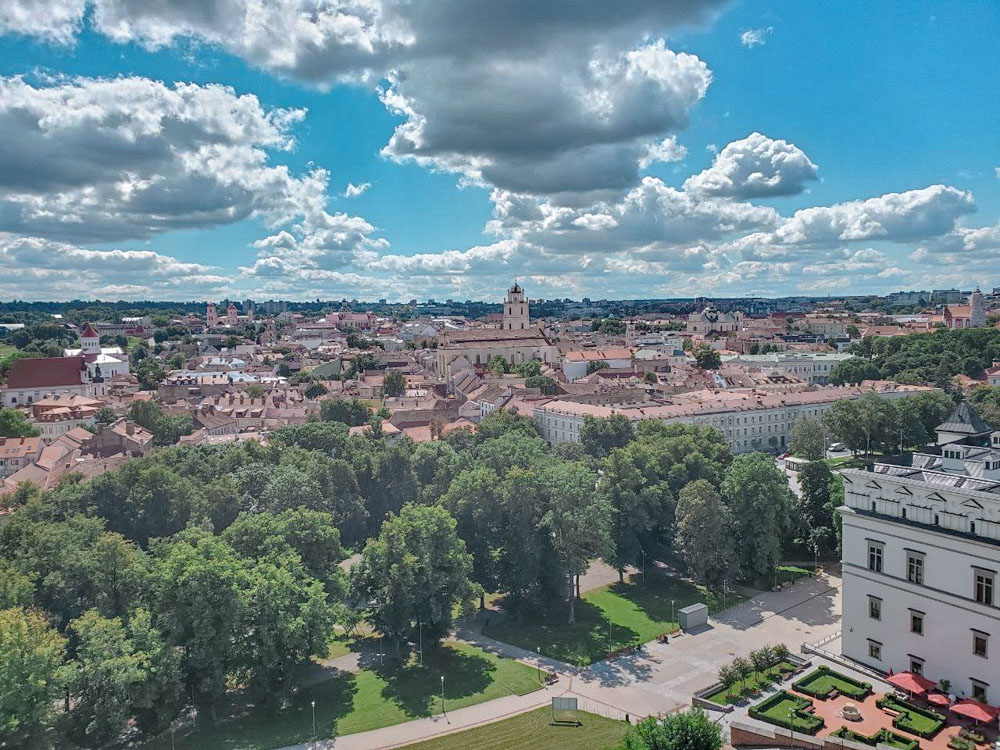
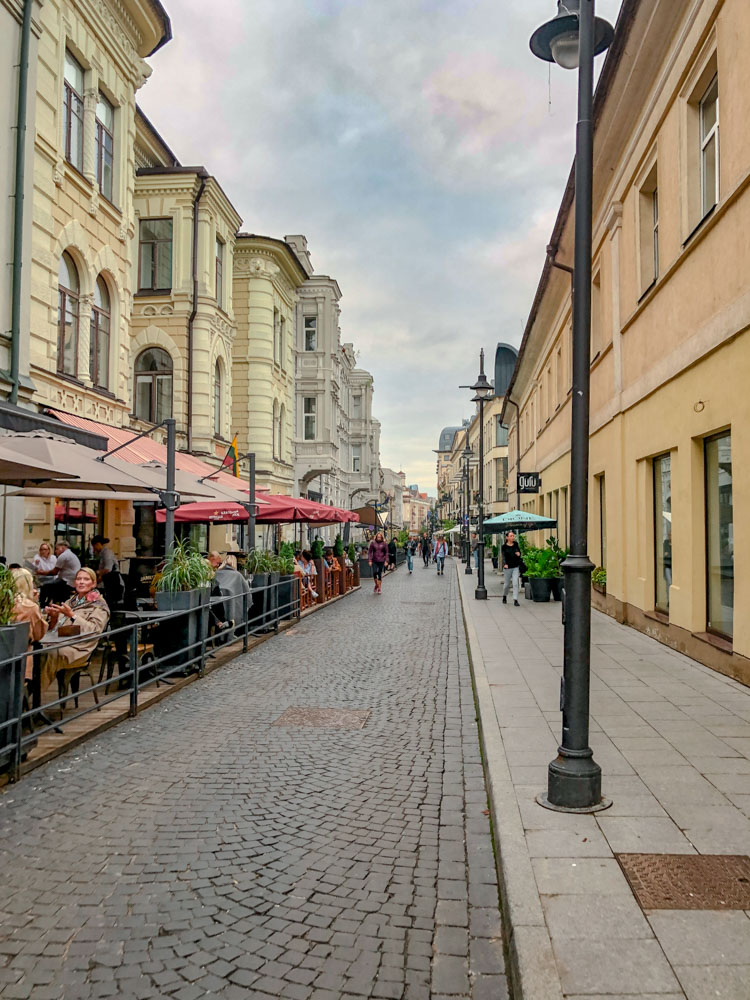
One of the best things about Vilnius is how compact and approachable it is, especially for first-time visitors. Most major attractions are clustered close together, particularly within Old Town, making it easy to explore on foot without constantly checking maps or transportation schedules.
Even with just a short visit, you can see a lot without feeling rushed or overwhelmed.
Walking feels enjoyable rather than exhausting, and the city naturally encourages wandering.
For a structured but flexible way to explore, a self-guided walking tour of Old Town is a great option as it helps you hit all the major landmarks while still leaving room for spontaneous stops (and definitely helps you reach your daily step goal).
➡️ Click here to book your self-guided tour of Old Town!
Safe, Green, and Accessible
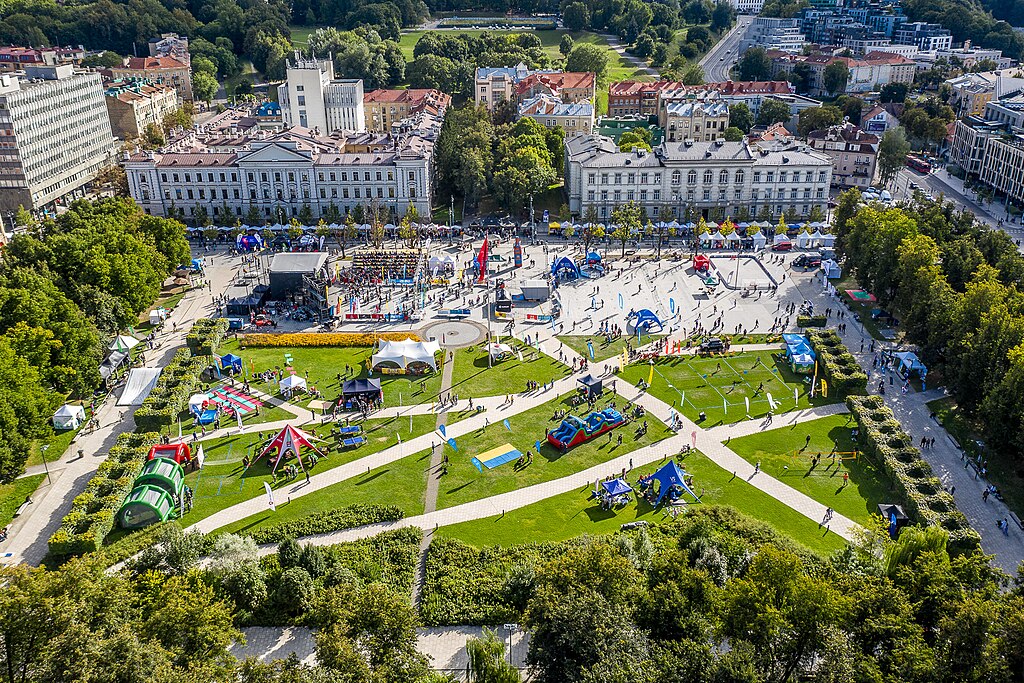
Vilnius consistently feels safe, clean, and well-organized, which makes it an easy city to relax into. Streets are well-lit, public spaces are thoughtfully maintained, and the overall atmosphere is calm and comfortable. Green spaces are woven throughout the city, offering natural pauses via a riverside walk, a quiet garden, or a shaded park bench.
Public transportation is reliable, affordable, and simple to use, and pedestrian-friendly streets make walking the most natural way to get around.
Seasonal Highlights
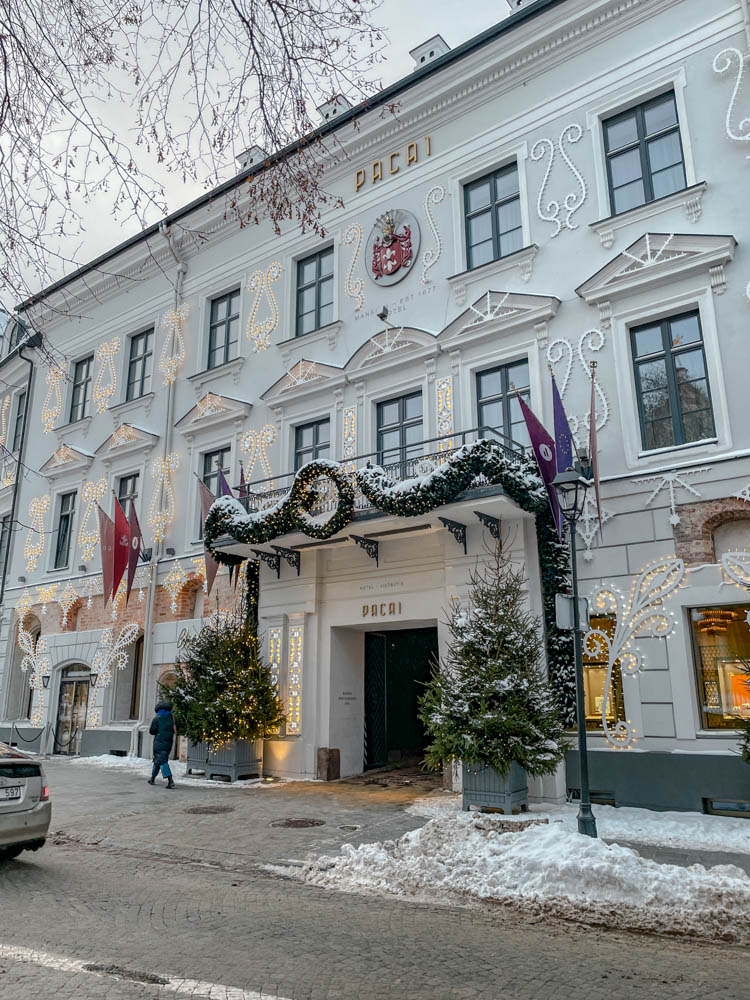
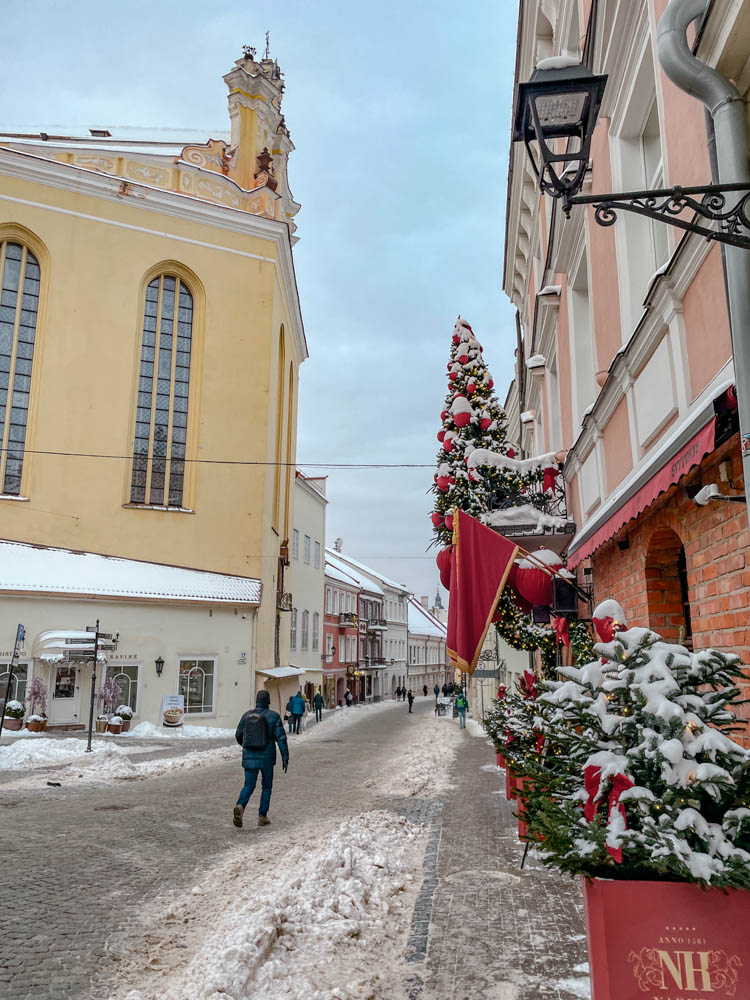
- Winter: Snow-covered streets give Vilnius a cozy, almost fairytale-like feel. During winter months, you’ll find nearby ski slopes just minutes from the city center, making it easy to mix urban exploring with outdoor activities. If you’re visiting during Christmastime, there are usually Christmas markets happening in the city center.
- Summer: Vilnius really comes alive in summer. Long daylight hours, festivals, open-air concerts, outdoor cafés, and cultural events fill the city with energy. Vilnius also has mild summers, where the weather usually isn’t super hot. It’s the perfect time to explore on foot and enjoy the city when it’s super vibrant.
Improved Accessibility by Train
Vilnius is becoming increasingly easy to reach by train, especially from other Baltic cities and parts of Central Europe. Improved rail connections make it simple to combine Vilnius with destinations like Riga, Kaunas, or even Warsaw, which is perfect if you’re planning a longer, multi-city European itinerary.
Train travel is comfortable, affordable, and allows you to see more of the region along the way. This growing connectivity has made Vilnius more accessible than ever and has helped position it as a natural stop on Baltic and Eastern European travel routes.
The Best Time of Year to Visit Vilnius
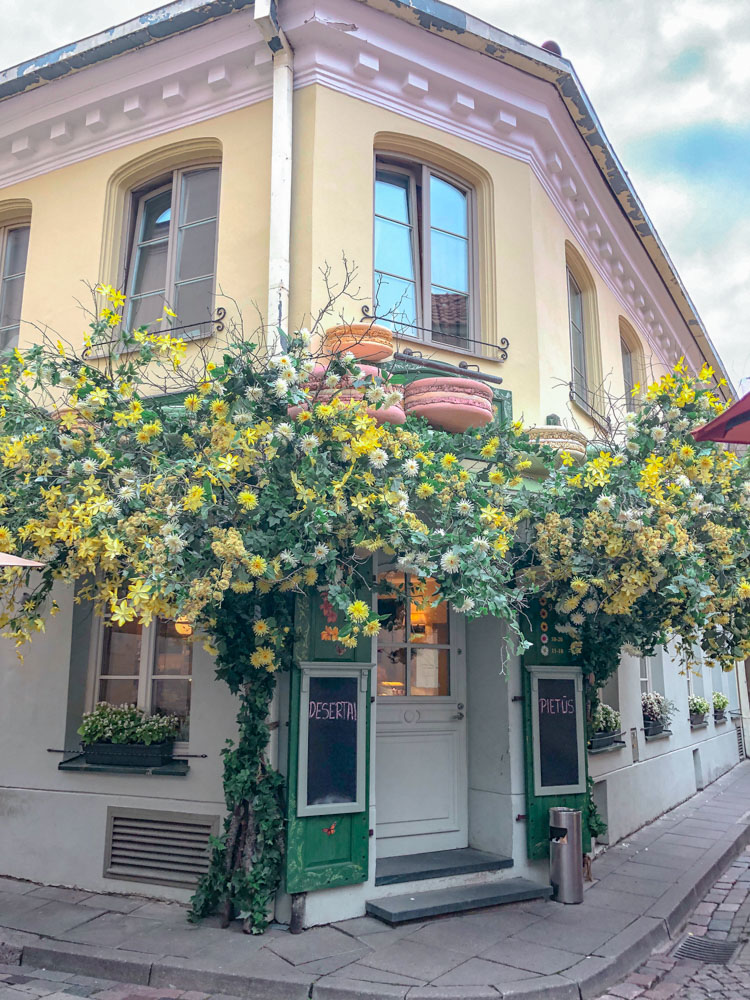
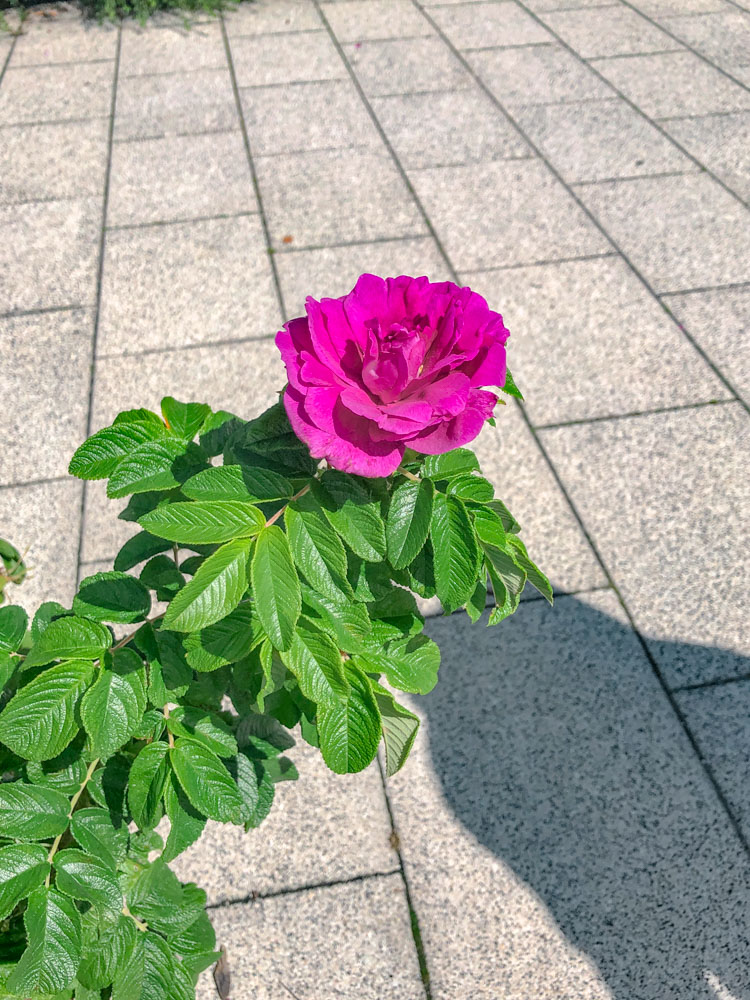
Late spring through early fall is generally the best time to visit Vilnius. Summer brings long daylight hours, lively streets, outdoor dining, festivals, and cultural events that really bring the city to life. Late spring and early autumn are especially lovely, offering mild temperatures and fewer crowds, which makes sightseeing more relaxed and enjoyable.
Winter in Vilnius can be beautiful, particularly after fresh snowfall, when the city feels cozy and atmospheric. However, it does get cold and icy, especially in January, and daylight hours are short, with the sun often setting around 4 PM.
Winter travel requires more planning, but it can still be a cool time to visit if you enjoy quieter streets and a more local feel.
How to Get Around Vilnius
Vilnius is extremely walkable, especially within Old Town, where most attractions are located.
Public transportation is affordable, reliable, and easy to use if you need it. Rideshare apps work well, but honestly, walking is the best way to experience the city, and seeing it via a guided tour that picks you up from your hotel is also a great alternative.
Best Things to Do in Vilnius
Vilnius has quite a lot of things to do in a relatively small city.
Iconic Landmarks and Historic Sites
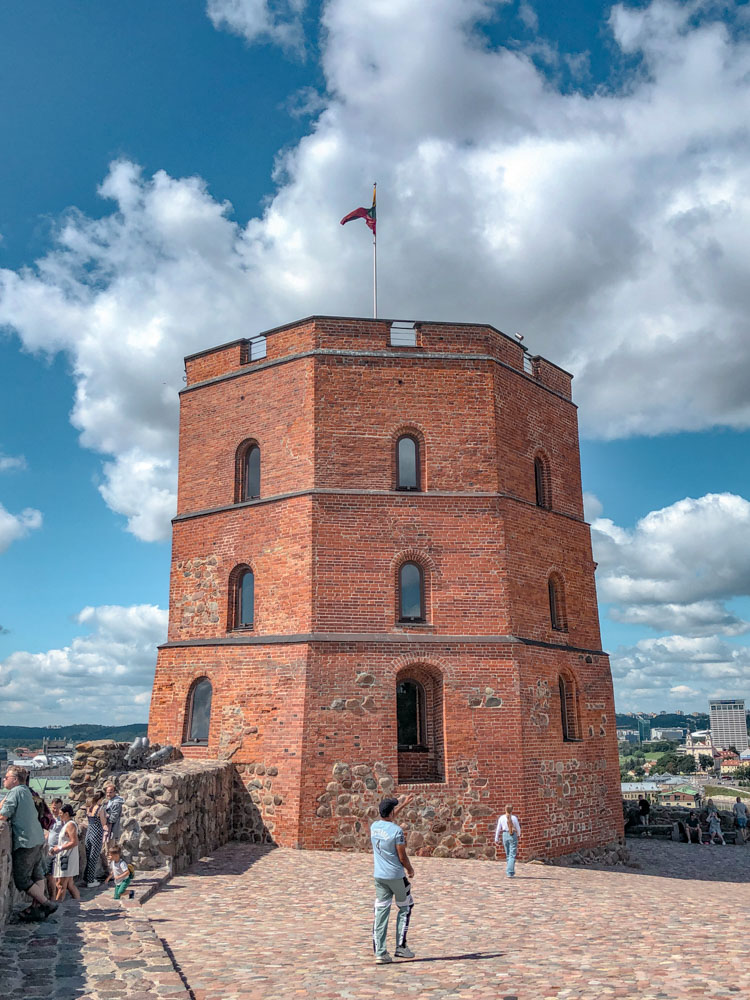
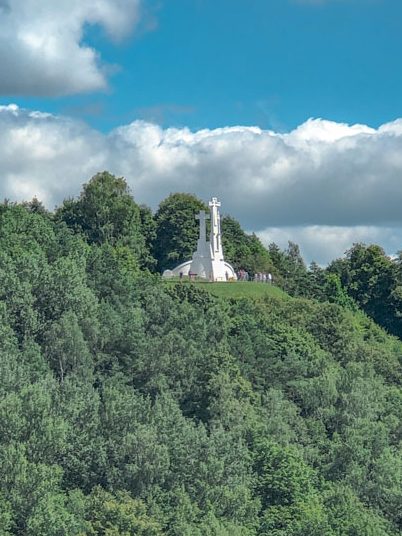
Vilnius is filled with iconic landmarks that tell the story of Lithuania’s long and complex history, and many of them are surprisingly easy to reach on foot.
One of the best places to start is Gediminas Castle Tower, which sits high above the city and offers sweeping panoramic views over Old Town and the Neris River. It’s a short but steady climb, and the payoff is absolutely worth it, especially on a clear day.
Nearby, visit the Hill of Three Crosses. The walk up is a bit of a workout, but once you reach the top, you’re rewarded with one of the most memorable views in Vilnius, particularly around sunrise or sunset.
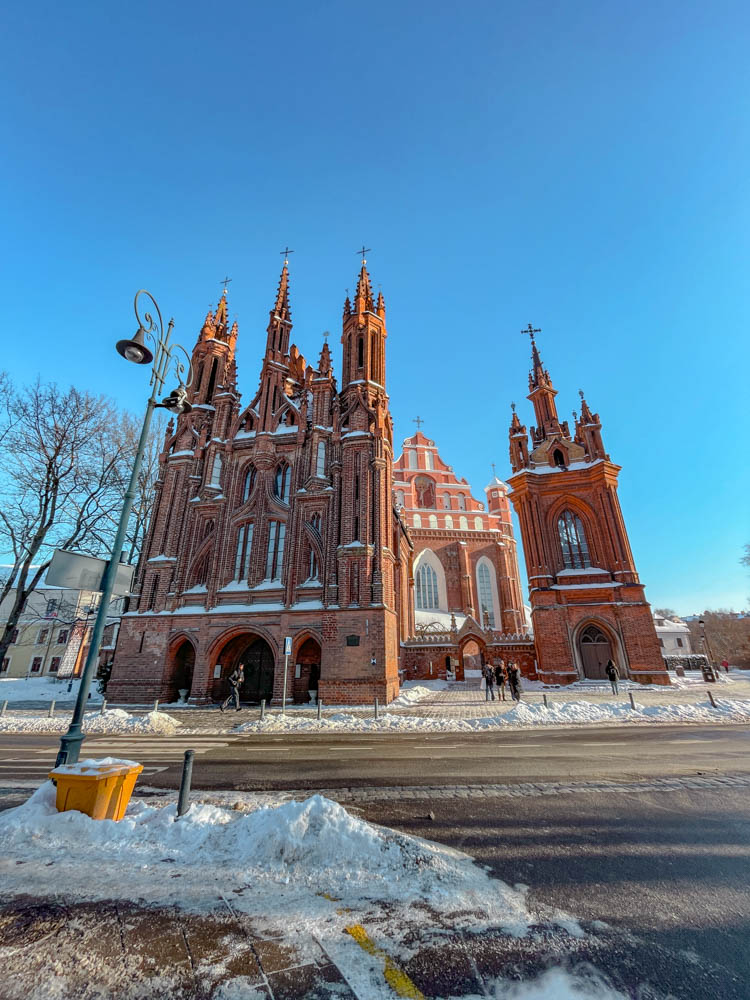
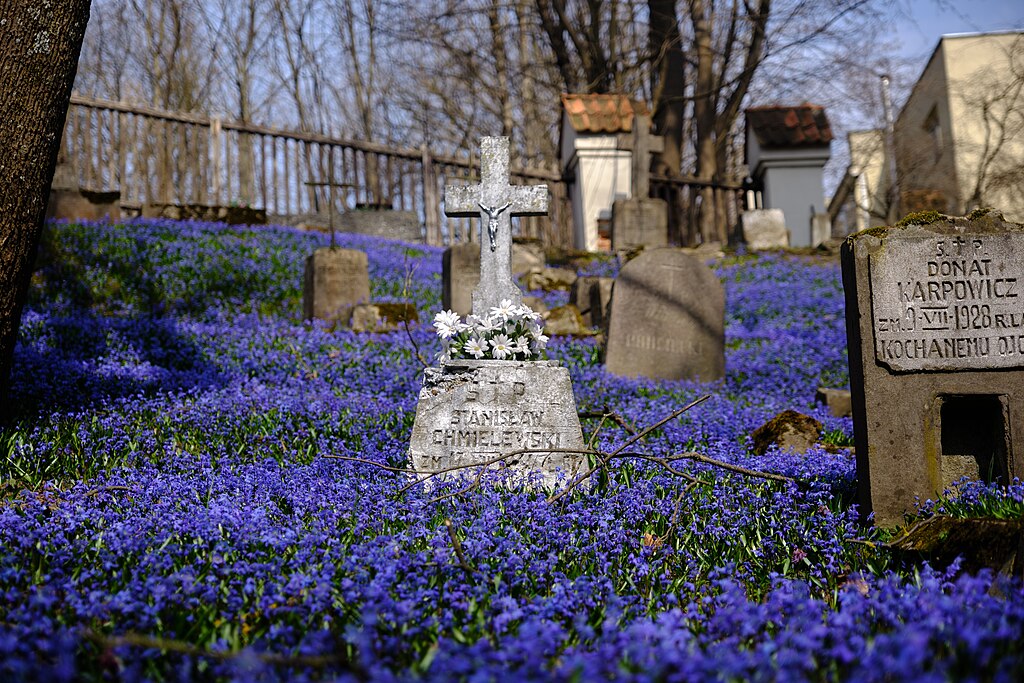
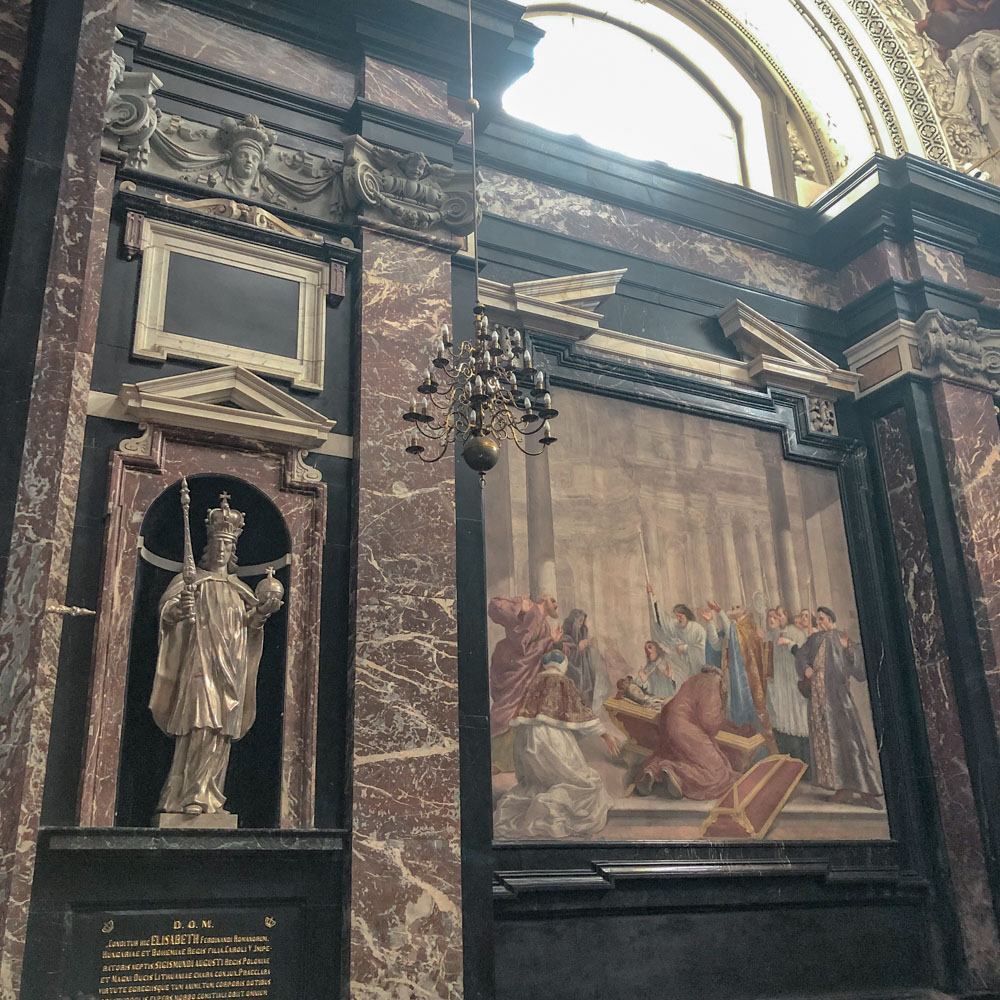
Down below, check out the Church of St. Anne and the Bernardine Complex, which showcase stunning Gothic design. The Vilnius Cathedral and its Bell Tower anchor the city both visually and historically, sitting at the heart of Cathedral Square.
Other highlights include the Palace of the Grand Dukes of Lithuania, which offers deep insight into the country’s royal past, the St. John’s Church Bell Tower for another great viewpoint, and the sacred Gates of Dawn.
Quick Summary
- Best viewpoints: Gediminas Castle Tower & Hill of Three Crosses
- Must-see historic sites: Vilnius Cathedral, St. Anne’s Church, Palace of the Grand Dukes
Neighborhoods and Streets to Explore
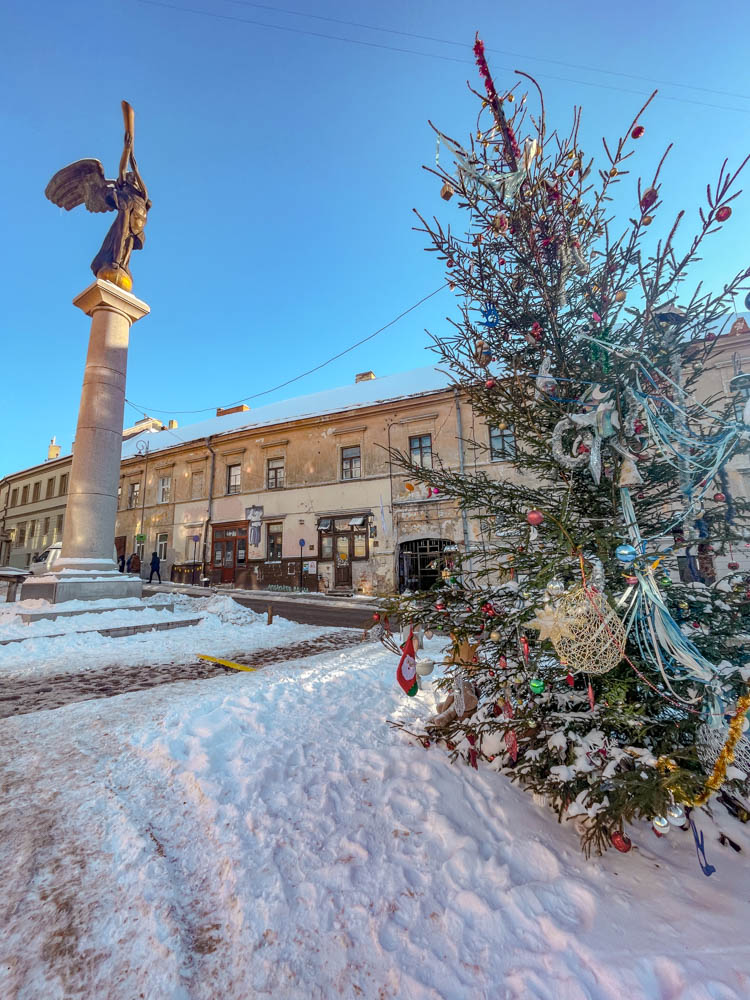
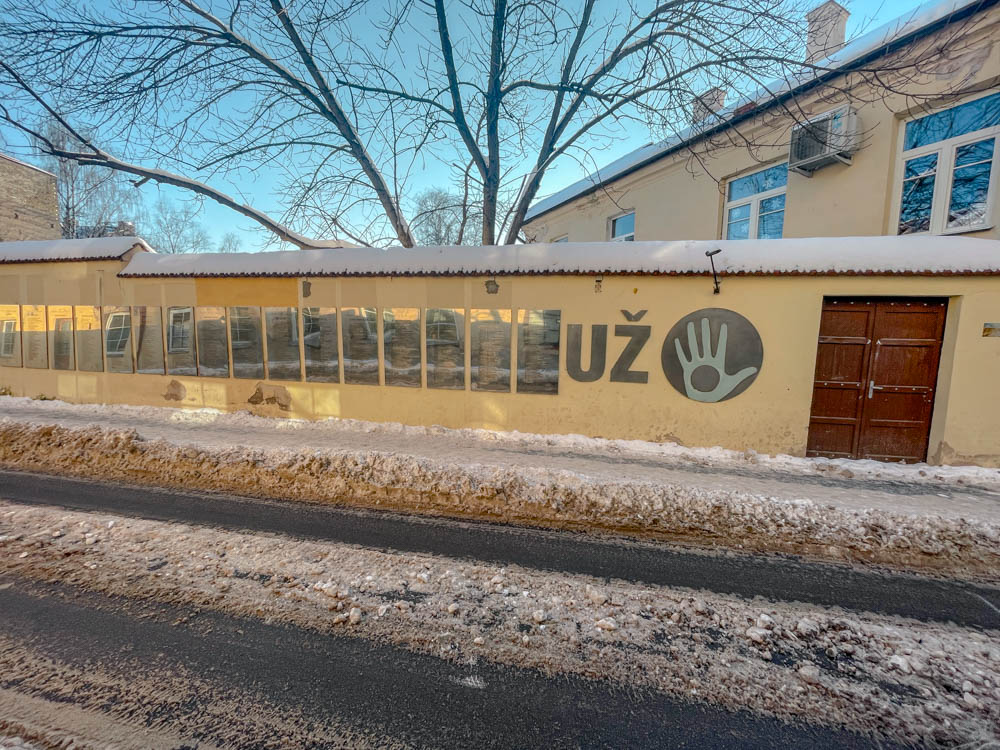
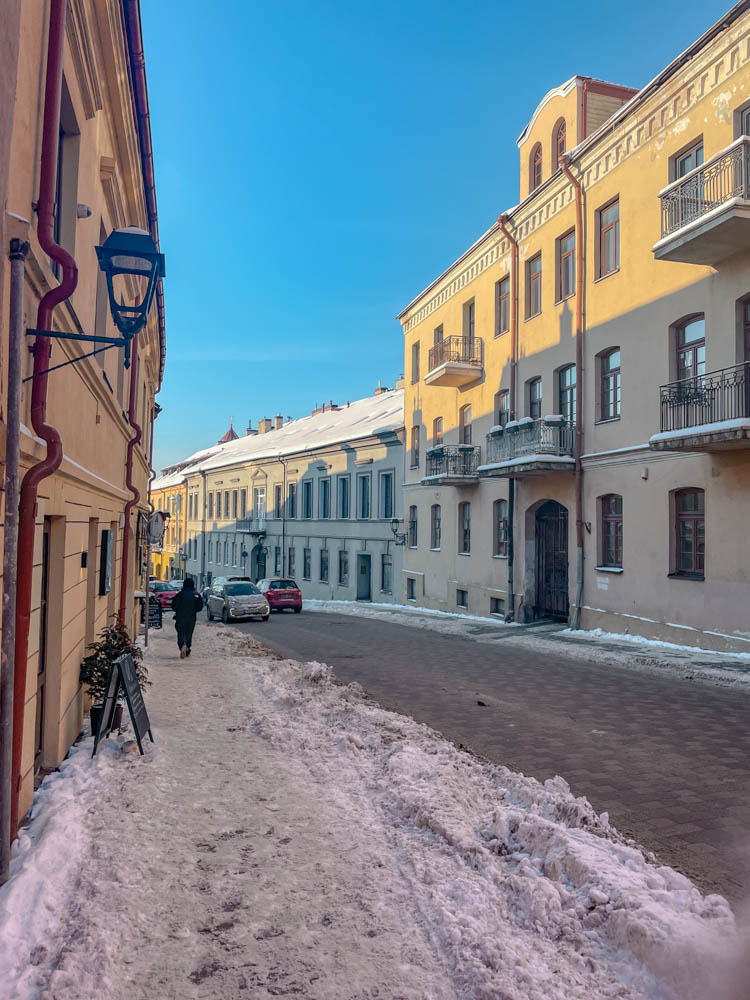
Old Town is the heart of the city and perfect for wandering without a strict plan. The streets are lined with cafés, small shops, and centuries-old buildings, and it’s the kind of place where you’ll want to slow down and explore at your own pace.
This area is especially enjoyable in the early morning or evening, when the streets feel quieter and more intimate.
For a completely different vibe, head to Užupis, Vilnius’ self-declared artistic republic. Užupis even has its own constitution displayed publicly, and it’s a great stop if you’re taking a walking tour or exploring independently.
Literature Street is another cool stop, dedicated to writers and poets connected to Lithuania. There are also several Chernobyl filming locations, which are scattered around the city.
Quick Summary
- Best area for wandering: Old Town
- Most unique neighborhood: Užupis (the artistic republic)
Museums and Cultural Attractions
The National History Museum of Lithuania and the Palace of the Grand Dukes provide important historical context and are great starting points if you want to learn about the country’s origins and political evolution. For something more modern, the MO Museum highlights contemporary art and design.
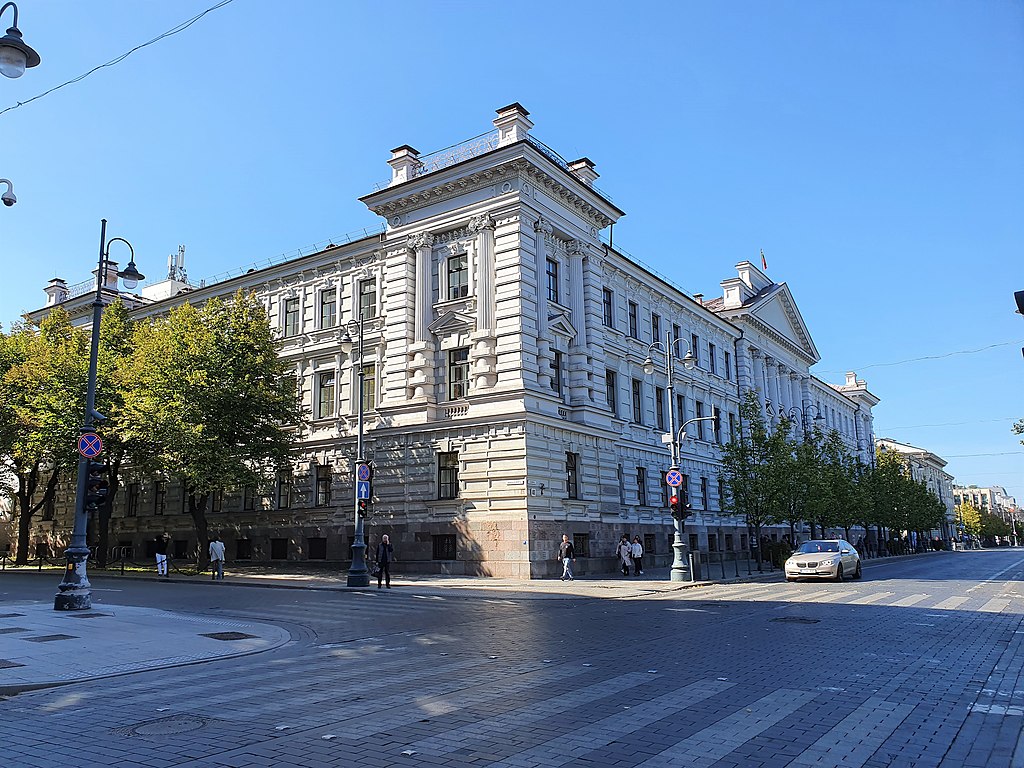
Some museums, however, are heavier in nature but incredibly important to visit. The Museum of Genocide Victims and the Museum of Occupations and Freedom Fights, often referred to as the KGB Museum, focus on Lithuania’s experience during Soviet occupation.
These sites are emotionally intense, and many travelers experience these places through guided experiences like The Way of Freedom tour, which connects locations such as Lukiškės Square, the former Lukiškės Prison, and the KGB Museum into a powerful narrative (you can really see a lot in this tour).
These tours provide context you simply can’t get on your own.
Quick Summary
- Best historical context: National History Museum & Palace of the Grand Dukes
- Most impactful experience: KGB Museum via The Way of Freedom tour
➡️ Click here to book your tour!
Food, Markets, and Local Drinks
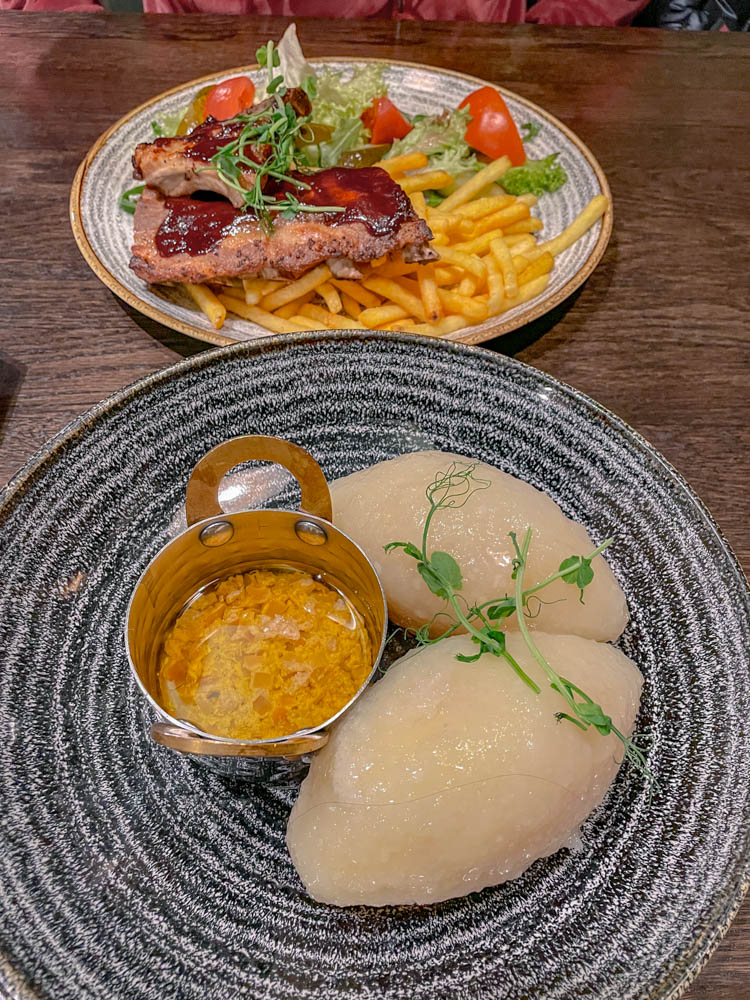
Halės Market is one of the best places to experience everyday local life, whether you’re browsing fresh produce, sampling traditional Lithuanian snacks, or grabbing something quick and casual. It’s a great stop if you want a more authentic experience.
When it comes to local cuisine, don’t leave Vilnius without trying traditional dishes like cepelinai (potato dumplings) or cold beet soup, especially during spring or summer.
The city also has a great craft beer scene, with cozy breweries and bars offering locally brewed options that pair perfectly with hearty Lithuanian food.
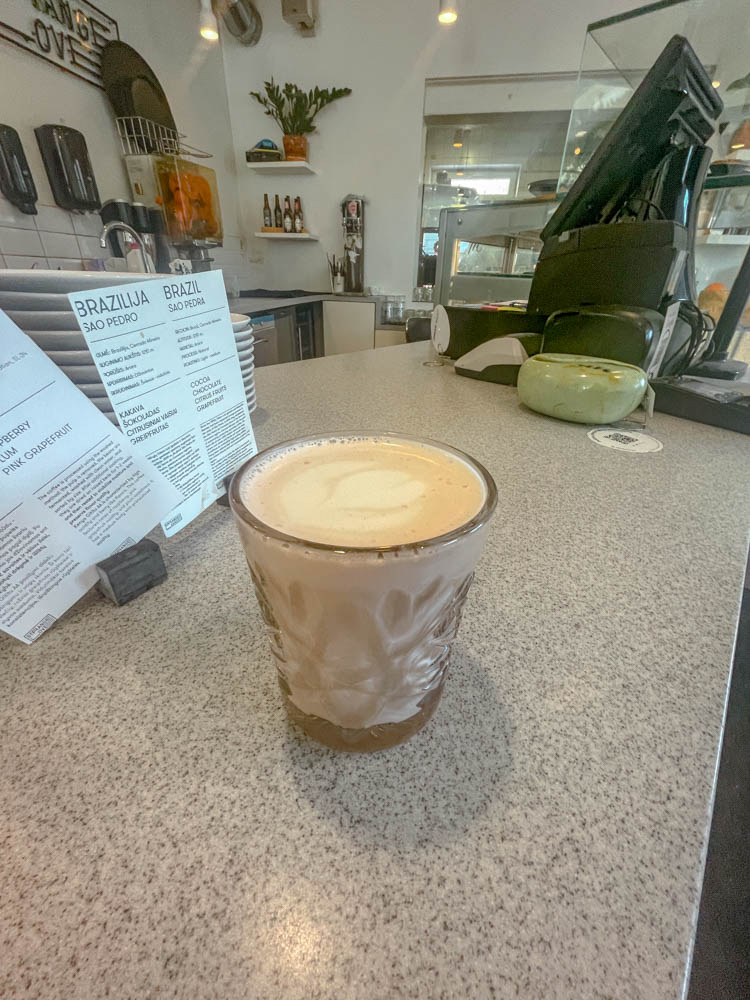
Vilnius also has a great coffee scene. This Morning Coffee Tour is intimate, relaxed, and perfect if you want to explore Vilnius at an unhurried pace.
Rather than bouncing between major attractions, you’ll take your time strolling through Old Town while enjoying thoughtfully chosen coffee stops along the way. It’s an easy way to see the heart of the city while learning about its history, architecture, and local café culture.
Quick Summary
- Must-try foods: Cepelinai & cold beet soup
- Best food experiences: Halės Market & local coffee tours
➡️ Book your Morning Coffee Tour here!
Day Trips from Vilnius
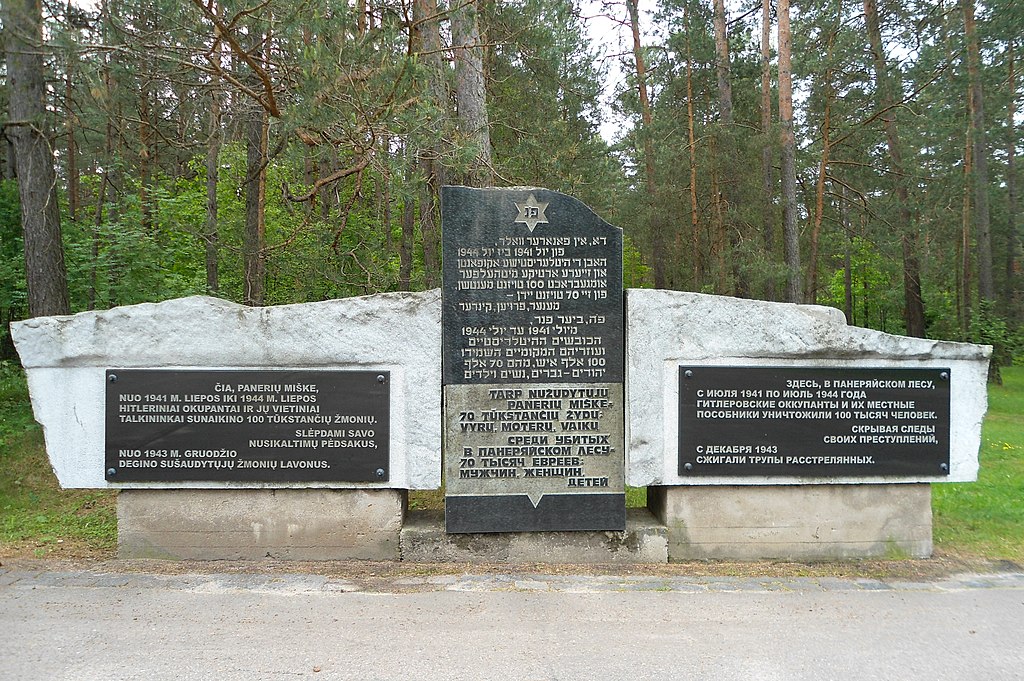
If you want to see some incredible Lithuanian sites and venture a little bit outside of Vilnius, I highly recommend booking a guided tour that combines Ponary Memorial Park, the Hill of Angels, and Trakai Island Castle. It’s a thoughtfully planned experience that gives you time to both learn and explore on your own.
The tour begins at Ponary (Paneriai) Memorial Park, a somber but deeply important site just outside Vilnius. This quiet forest was the location of mass executions during World War II, and informational signs and memorials provide context without overwhelming you, helping explain the events that took place here.
While it’s not an easy stop, it offers an essential perspective on Lithuania’s history and honors the resilience of those affected.
From there, you head to the Hill of Angels, a peaceful and symbolic site filled with hand-carved wooden angels created by artists and visitors over the years.
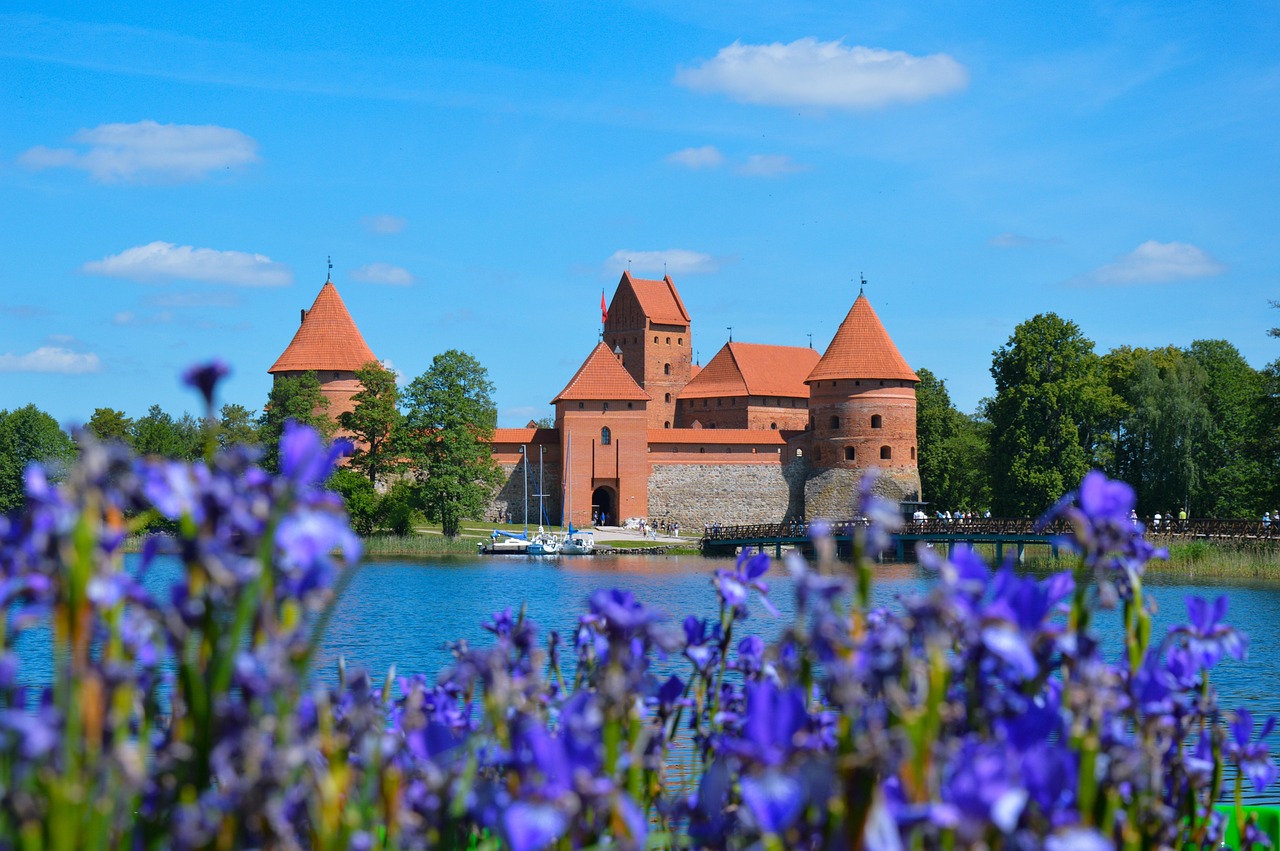
The tour wraps up at Trakai Island Castle, one of Lithuania’s most iconic landmarks. Set on an island in Lake Galvė, the castle feels straight out of a fairytale as you cross the wooden bridge leading to its red-brick towers. Inside, you can explore courtyards, towers, and exhibits that dive into Lithuania’s medieval history.
Other day trips from Vilnius include Kernavė, which offers archaeological sites and scenic views, and Birštonas and Druskininkai are great for spa experiences and nature escapes. Definitely consider renting a car to help you get around to other interesting Lithuanian cities!
Quick Summary
- Most popular day trip: Trakai Island Castle
- Best guided experience: Ponary Memorial Park + Hill of Angels + Trakai Island Castle
➡️ Click here to book your tour to Ponary Memorial, The Hill of Angels & Trakai Castle!
Tips for Visiting Vilnius
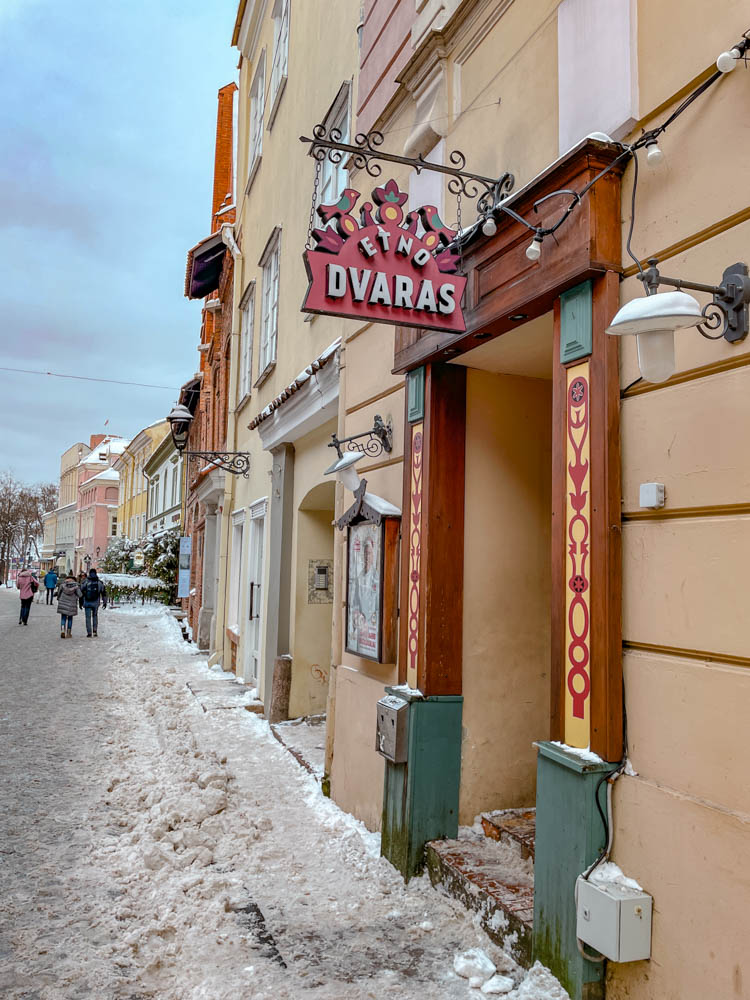
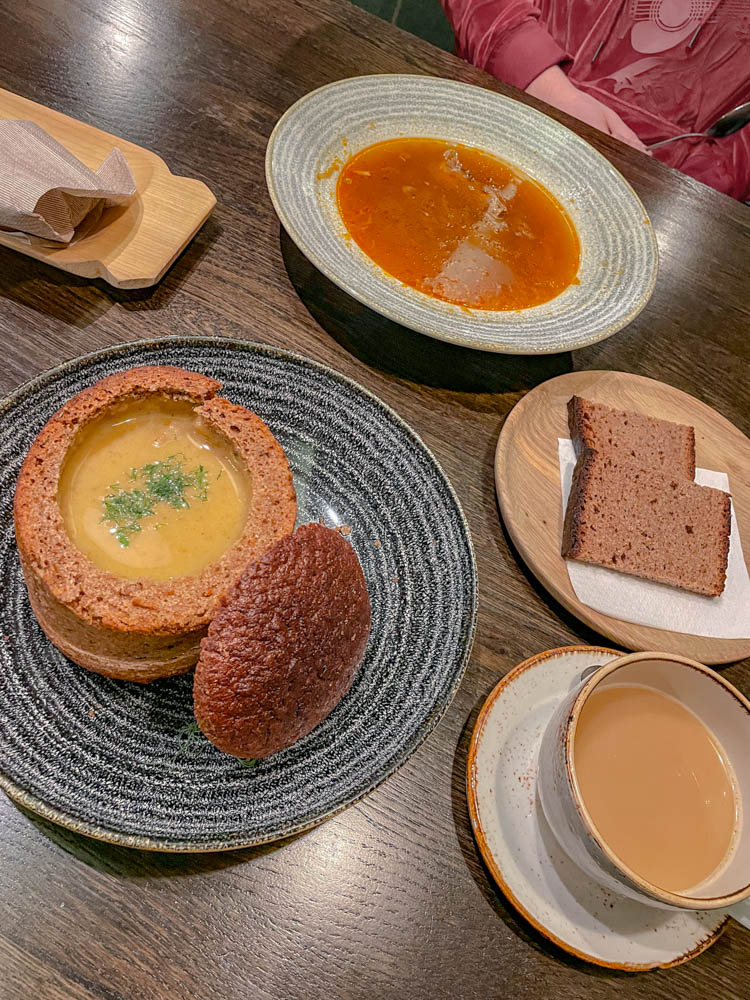
Vilnius is an easy city to visit, but a few thoughtful tips can help you get even more out of your time here:
- Take guided tours when possible. They add valuable historical context and often take you to places most tourists wouldn’t fully understand on their own.
- Try local Lithuanian cuisine and craft beer, as food plays a big role in understanding the culture and traditions.
- Walk as much as possible, especially in Old Town, since many of the city’s highlights are close together and best experienced on foot.
- Book popular attractions and tours in advance, particularly during spring and summer when tourism peaks.
- Plan for seasonal activities, such as winter skiing or summer festivals, depending on when you visit.
- Pack layers, as the weather can change quickly throughout the day, even in warmer months.
- Carry some cash for markets, small cafés, or local vendors, as not every place accepts cards.
Where to Stay in Vilnius
Choosing the right place to stay in Vilnius can really shape your experience, especially if you’re visiting for a short amount of time.
One thing I love about staying here is that international hotel brands like Marriott and Hilton tend to feel noticeably better in Europe, and you can feel it in everything from the room quality to the breakfasts. The beds are comfortable, the staff is attentive, and the morning spreads are impressive and delicious.
Staying close to Old Town is ideal, since it allows you to walk almost everywhere and makes sightseeing much more efficient.
Budget: CATHEDRAL Old Town Suites or AC Hotel by Marriott Vilnius
Both of these are excellent value options if you want comfort without overspending. They’re clean, modern, and well-located, making them perfect if you plan to spend most of your time exploring the city rather than hanging out in your hotel.
You’ll be within walking distance of Old Town, cafés, and major landmarks, which is ideal for a short stay. These spots are practical, reliable, and comfortable.
Mid-Range: Hilton Garden Inn Vilnius City Centre
This is hands down my favorite hotel in Vilnius. The design is modern but cozy, the rooms are spacious, and the location is incredibly convenient for sightseeing.
What really stood out to me, though, was the breakfast! It’s honestly amazing. There’s a huge selection of breads, cheeses, smoked salmon, fresh fruit, and even an omelet station. If breakfast matters to you (it definitely does to me), this hotel alone is worth booking.
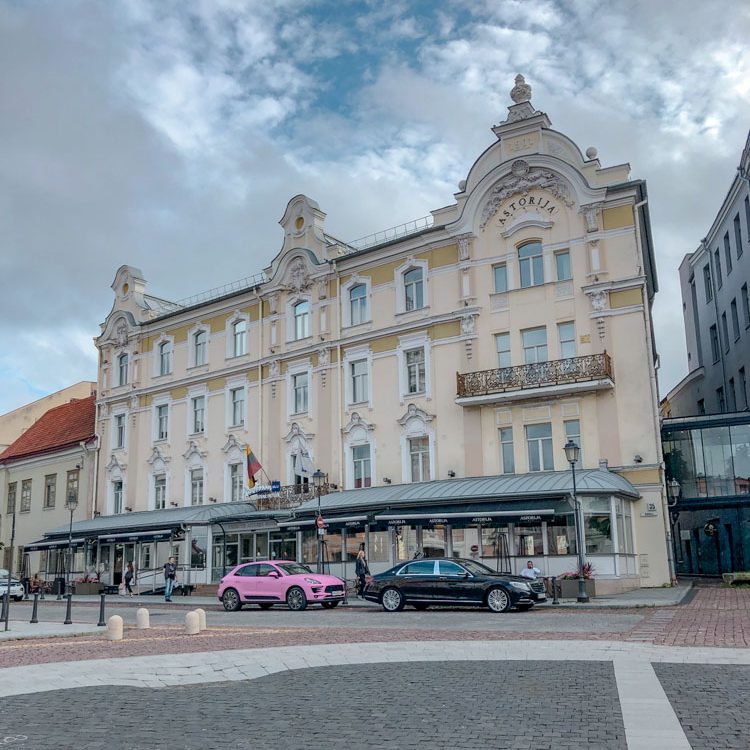
Luxury: Radisson Collection Astorija Hotel, Vilnius
If you’re looking to splurge, the Radisson Collection Astorija is elegant, historic, and perfectly situated in the heart of Old Town. Staying here feels like stepping into a classic European film, with its grand exterior and beautiful interiors.
The location puts you right in the middle of everything, and if you can, I highly recommend booking a room with a view. It’s a stunning place to stay and a memorable way to experience Vilnius.
Is Vilnius Worth Visiting: Frequently Asked Questions
Is Vilnius good for tourists?
Yes, Vilnius is very tourist-friendly, especially for travelers who enjoy cities that feel approachable. The city is safe, clean, and easy to get around, with a compact Old Town that’s ideal for walking. Even first-time visitors tend to feel comfortable here almost immediately.
English is widely spoken in hotels, restaurants, and tour settings, and locals are generally friendly, patient, and helpful. Vilnius is also very affordable compared to many other European capitals, which makes it easy to enjoy museums, dining, and guided tours.
Which is better, Riga or Vilnius?
Both Riga and Vilnius are wonderful Baltic capitals, but they offer slightly different experiences.
Vilnius feels calmer, greener, and more compact, making it ideal if you enjoy slow travel, walking everywhere, and soaking in an atmosphere without crowds. Riga, on the other hand, is larger and busier, with a broader nightlife scene and more variety when it comes to shopping and entertainment.
If you’re drawn to history, quiet charm, and a relaxed pace, Vilnius may be the better fit. If you prefer a livelier city with more options and energy, Riga might suit you more. Many travelers end up visiting both, since the two cities complement each other well.
How many days do I need in Vilnius?
One well-planned day is enough to see Vilnius’ main highlights and get a strong sense of the city. You can explore Old Town, visit key landmarks, and enjoy the atmosphere without feeling rushed.
That said, spending two to three days allows you to slow down, explore neighborhoods like Užupis, visit museums more deeply, and add meaningful day trips to places like Trakai Castle or Ponary Memorial Park.
If you enjoy guided tours, food experiences, or cultural attractions, having a little extra time in Vilnius can be worth it.
What is Vilnius famous for?
Vilnius is best known for its UNESCO-listed Old Town, which is one of the largest and best-preserved in Europe. The city is also famous for its baroque churches, Gothic architecture, and layered history shaped by medieval Europe, the Polish-Lithuanian Commonwealth, and Soviet occupation.
Beyond architecture, Vilnius stands out for its strong sense of identity, creative energy, and resilience.
Conclusion
Vilnius is one of those cities that everyone should visit at least once. You can experience its beauty, understand the history of Lithuania, and settle into its relaxed pace. Vilnius can be added to a longer Europe itinerary, or you can visit the city on its own, but either way it’s so definitely worth exploring.
The city is welcoming, deeply historical, creative, and incredibly easy to explore, whether you’re visiting for one day in Vilnius or staying longer. I hope you end up loving the city just as much as we did.
Happy travels!

About the Author
Sasha is the founder of Little Happy Travels, a blog with tips and inspiration for combining work + travel and living the digital nomad lifestyle. As a business coach and remote worker, she’s spent the last few years traveling the world while helping others do the same. Follow for guides, tips, and personal stories on working from anywhere!