
Looking for the best things to do in Tallinn?
We recently visited Tallinn in January, and it was such a memorable experience. Walking through the Old Town while it snowed honestly felt like stepping into a medieval fairytale. Winter made it extra magical, but Tallinn is the kind of city that would be incredible any time of year.
With its UNESCO-listed Old Town, deep history, and super walkable layout, it’s a destination that’s really unique and easy to explore.
In this guide, I’m covering my favorite things to do in Tallinn, including must-see historical spots, unique experiences, and tours to soak in the history of the city, and local spots to relax and eat. Let’s dive into it!
Short on Time?
Don’t miss these top experiences in Tallinn:
- Old Town Tallinn historical walking tour – A guided tour of the medieval Old Town that makes the city’s history come alive.
- Tallinn bike tour – Explore beyond Old Town quickly, from local neighborhoods to coastal paths.
- Lahemaa National Park day trip – A scenic day trip showcasing Estonia’s forests, manor houses, and coastline.
Things to Do in Tallinn
Tallinn is compact, historic, and packed with personality, which makes sightseeing very relaxed instead of overwhelming. It’s also a hidden gem in Europe that isn’t overrun by tourists, especially in the fall and winter months.
Unlike larger European capitals, where you’re constantly commuting between attractions, most of Tallinn’s highlights are clustered in and around the UNESCO-listed Old Town.
That means you can spend your days wandering cobblestone streets instead of figuring out complicated transport routes. I loved that everything felt accessible and walkable, especially in the snow, when the entire city felt like a medieval winter postcard.
That said, I cannot emphasize enough how helpful guided tours are here. Tallinn obviously has some medieval influence, but its history is layered and complex, shaped by Danish, Swedish, German, and Russian rule before Estonia regained independence in 1991.
Without context, you’re just looking at pretty buildings, and it’s just another “nice” experience. With a guide, you start understanding the history behind the city and why learning about it matters. It completely changes your perception of the city and Estonian people.
Explore Old Town & Historic Sites
Tallinn’s Old Town is one of the best-preserved medieval city centers in Europe, which is exactly why it earned UNESCO World Heritage status. The city dates back to at least the 13th century, and much of what you see in the city, from city walls to merchant houses, has stood for hundreds of years.
The cobblestone streets, pastel facades, iron lanterns, and Gothic spires look like something from a medieval fairytale. The area is incredibly safe, very easy to navigate, and full of little corners that make you want to explore and wander.
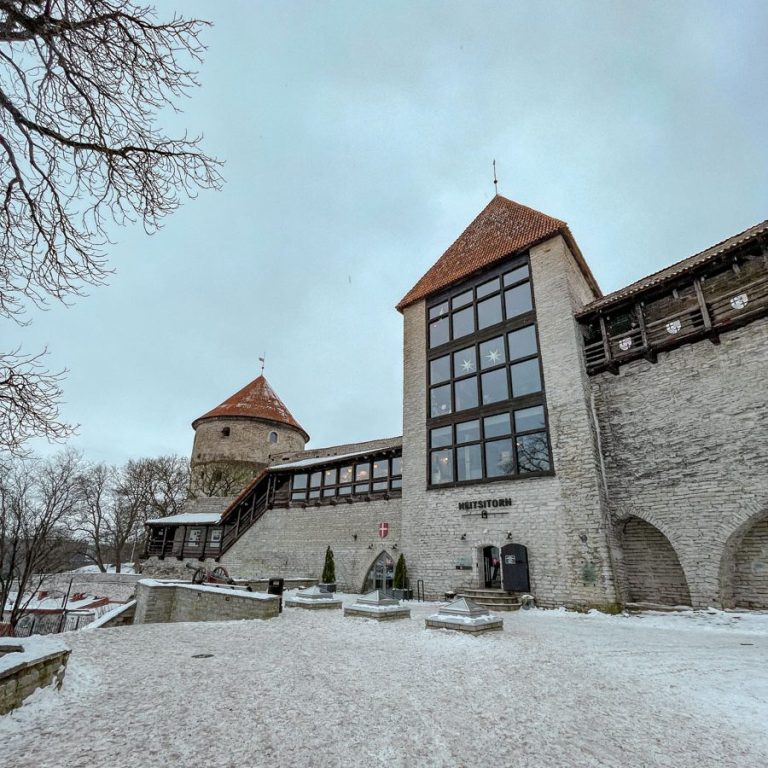
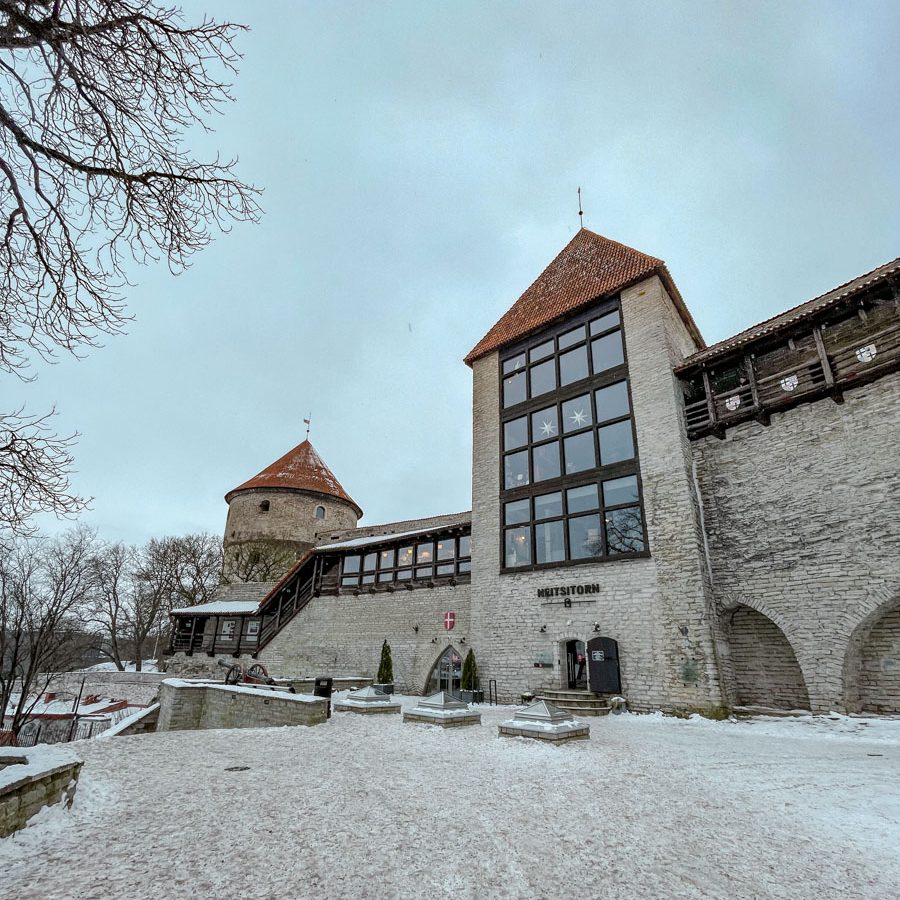
Kiek in de Kök Museum & Bastion Tunnels
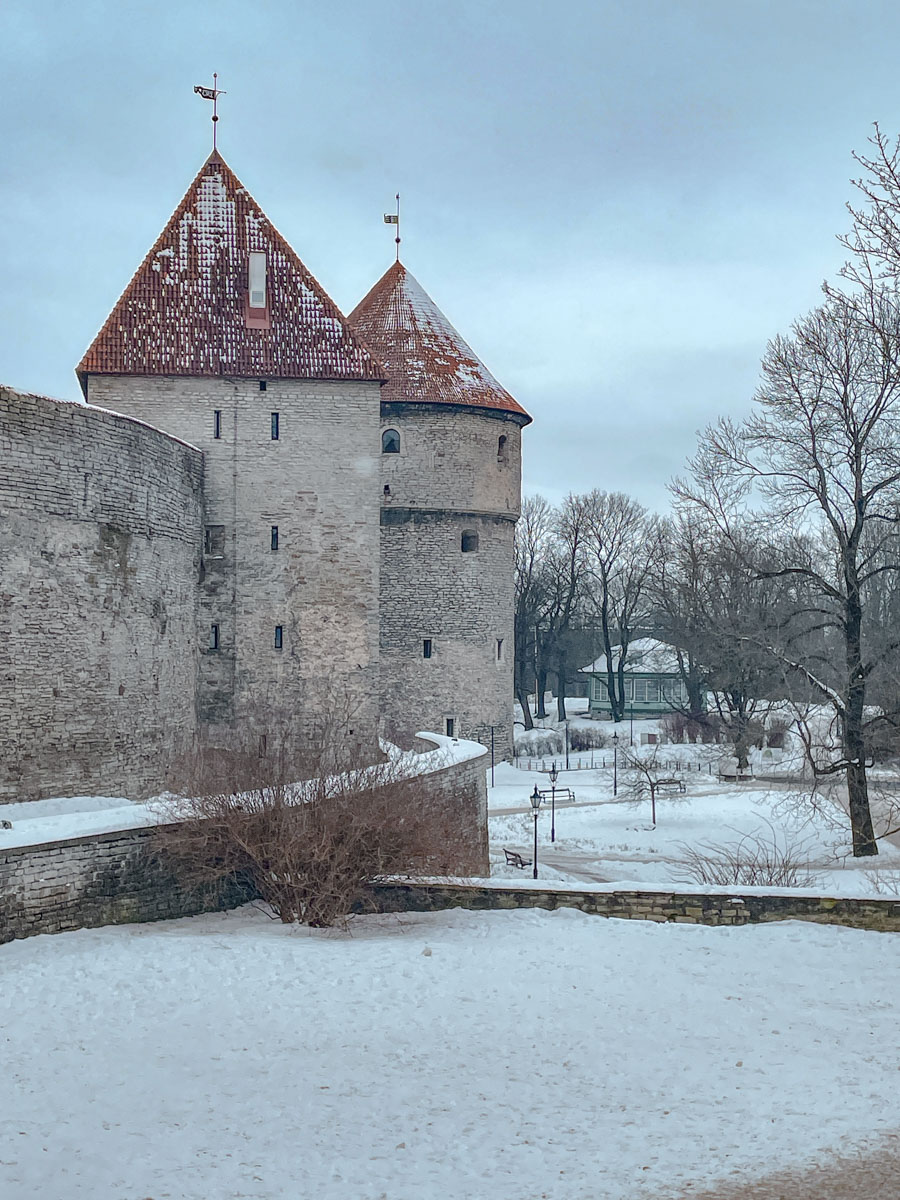
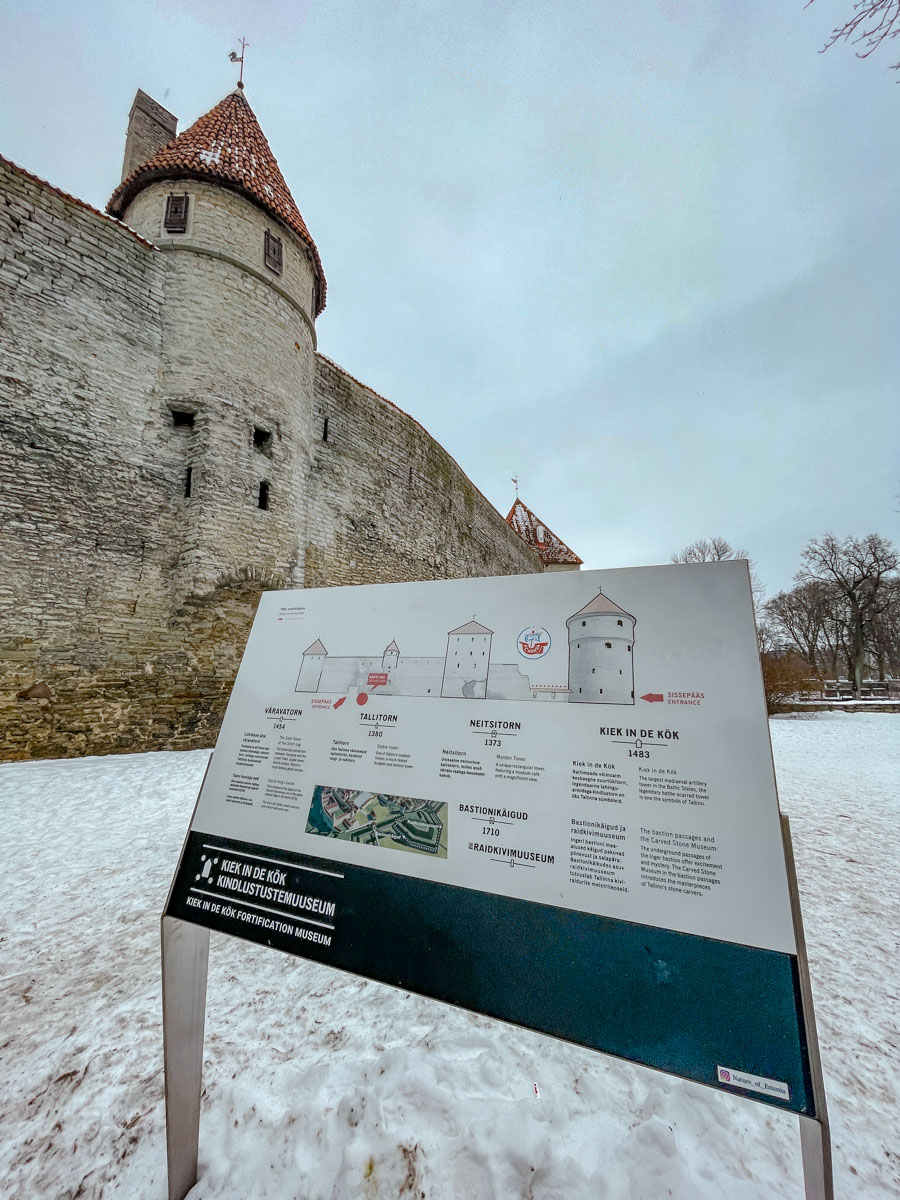
The name “Kiek in de Kök” actually comes from Low German and means “peek into the kitchen,” supposedly because guards stationed in the tower could see into nearby homes. The artillery tower was part of Tallinn’s defensive wall system and played a key role in protecting the city from invasions.
What makes this stop cool to visit are the Bastion Tunnels beneath the city. These underground passageways were originally built in the 17th century and later used for everything from military defense to air raid shelters during World War II. You can walk through them, and the best way to do that is as part of a guided tour.
This Tour of Tallinn Old Town and Bastion Tunnels shares the stories behind the tunnels.
➡️ Book your tour of the Bastion Tunnels here!
Medieval Photoshoot
If you want a fun, unique souvenir, try a Tallinn Medieval photo session. Tallinn’s medieval identity is very authentic and rooted in real history, so dressing up in period clothing feels very fitting when visiting the city.
During the photoshoot, they give you traditional medieval-style garments, and you pose against historic backdrops. It’s a little quirky, but it makes for a cool memory!
➡️ Click here to book your Medieval photoshoot in Tallinn!
Recommended Old Town Tours
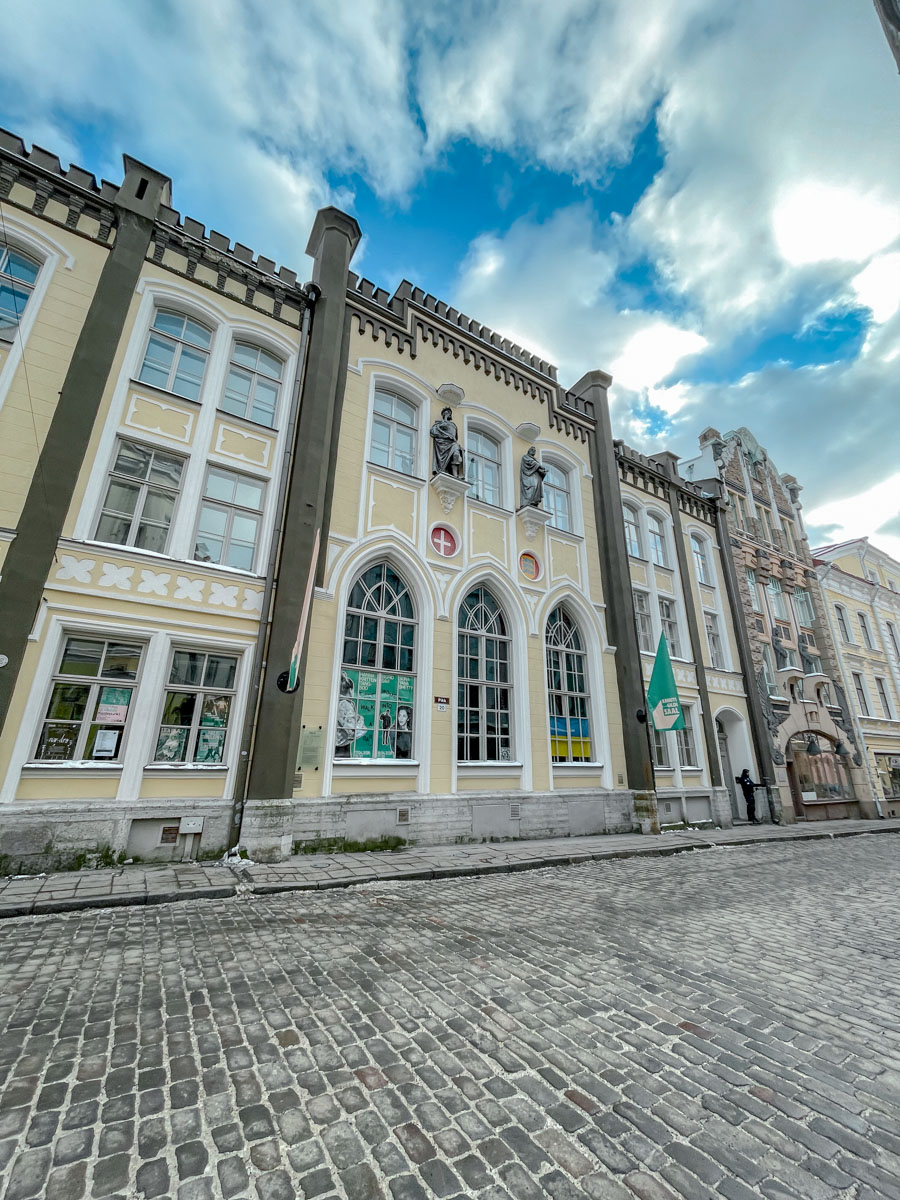
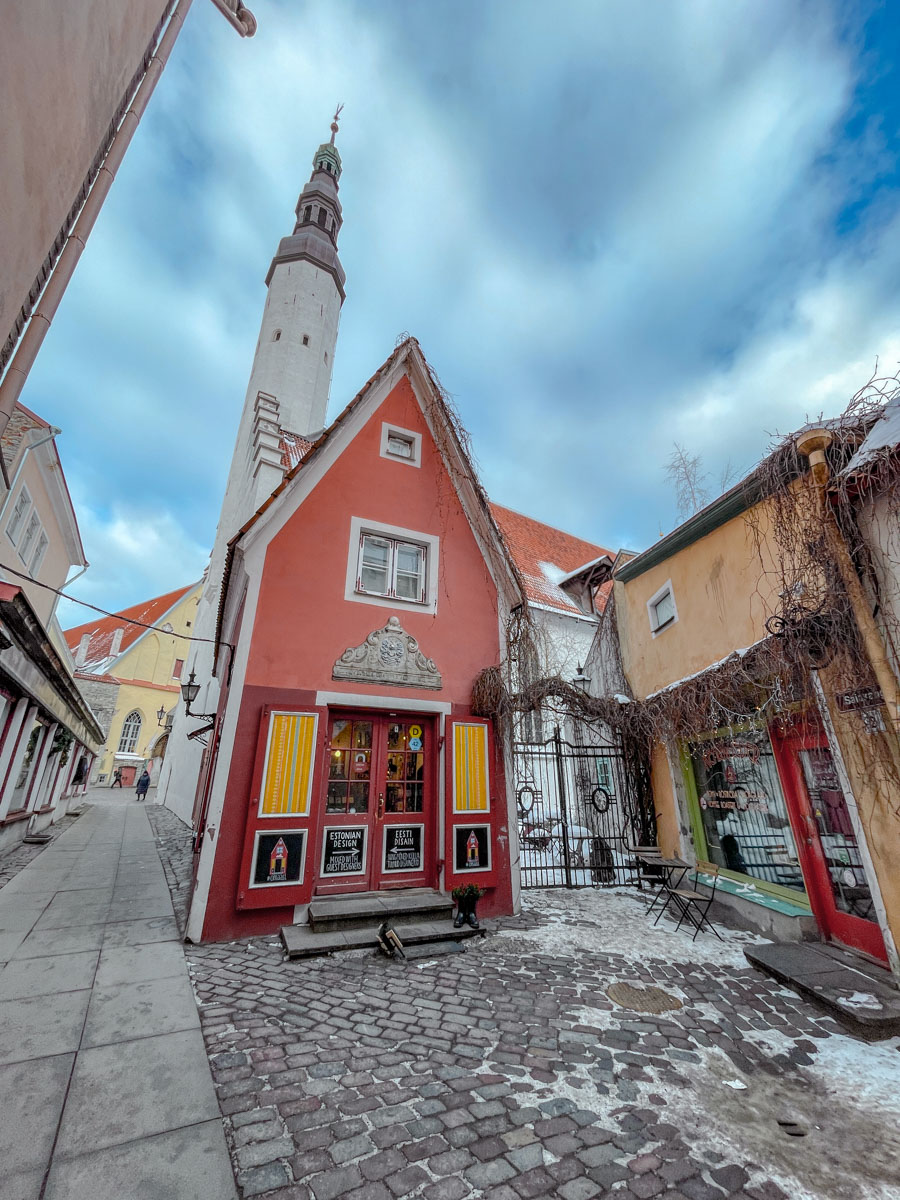
This is honestly where Tallinn shines. The architecture is beautiful on its own, but understanding how Estonia moved through centuries of foreign occupation before regaining independence makes the city feel far more meaningful.
A few great options for guided tours through the city include:
- Guided Old Town Tallinn Historical Walking Tour – This guided walking tour completely changes how you see Tallinn. In just a couple of hours, you’ll visit major Old Town landmarks while learning about the Hanseatic trade era, Soviet occupation, and Estonia’s independence. The historical context makes the medieval streets feel far more meaningful. It’s the perfect introduction for first-time visitors who want more than just pretty photos.
- 2-Hour Guided Walking Tour of Tallinn – If you’re short on time, this two-hour tour is an efficient and informative overview of Tallinn’s UNESCO-listed Old Town. You’ll see highlights like Town Hall Square, Alexander Nevsky Cathedral, St. Olaf’s Church, and Toompea Castle. It’s another great tour for first-time visitors, just a little bit shorter so you have time to see other landmarks!
- Optional private tours if you want something more personalized (I saw a lot of tourists doing these kinds of tours, and it looks cool from afar! You have the full attention of the tour guide, and they can answer specific questions you have about the city’s historical past).
➡️ Click here to book your tour!
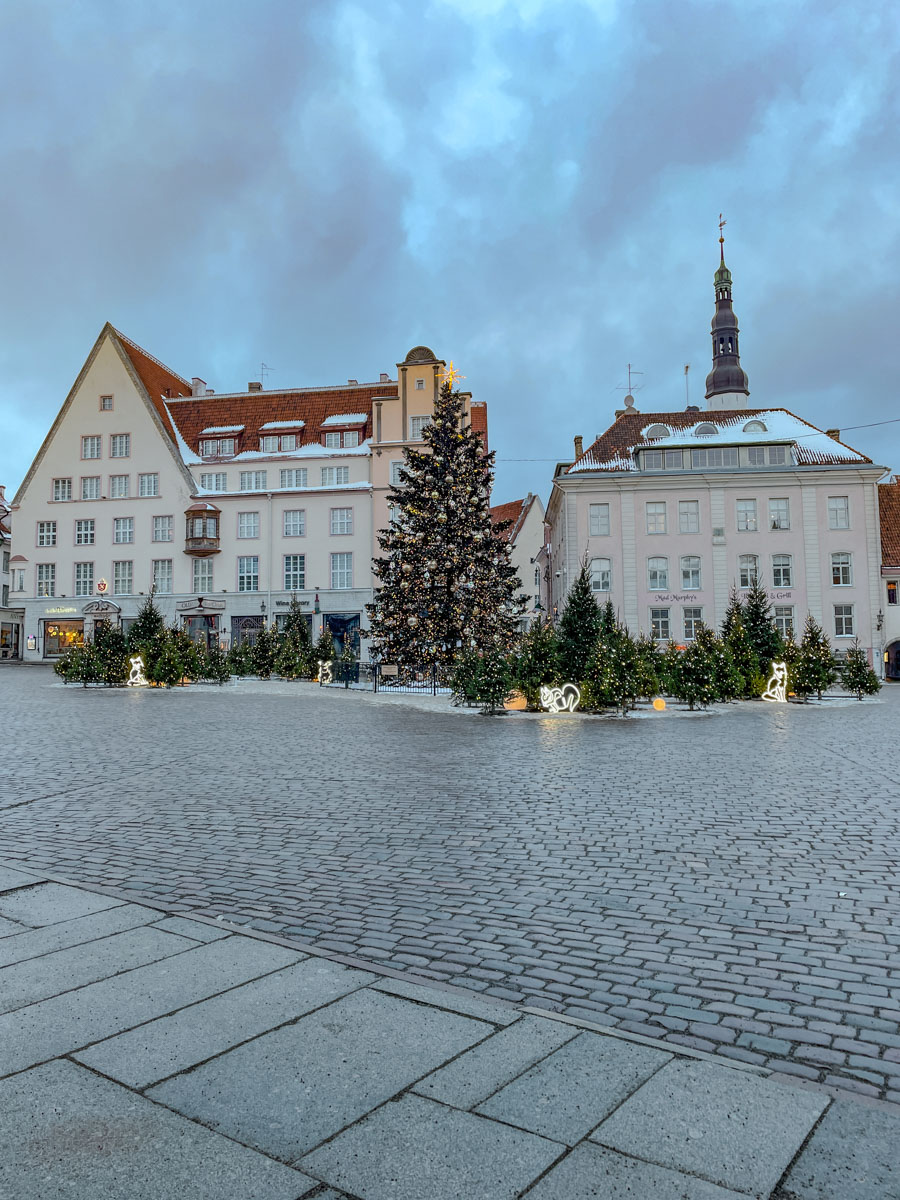
Town Hall Square (Raekoja Plats)
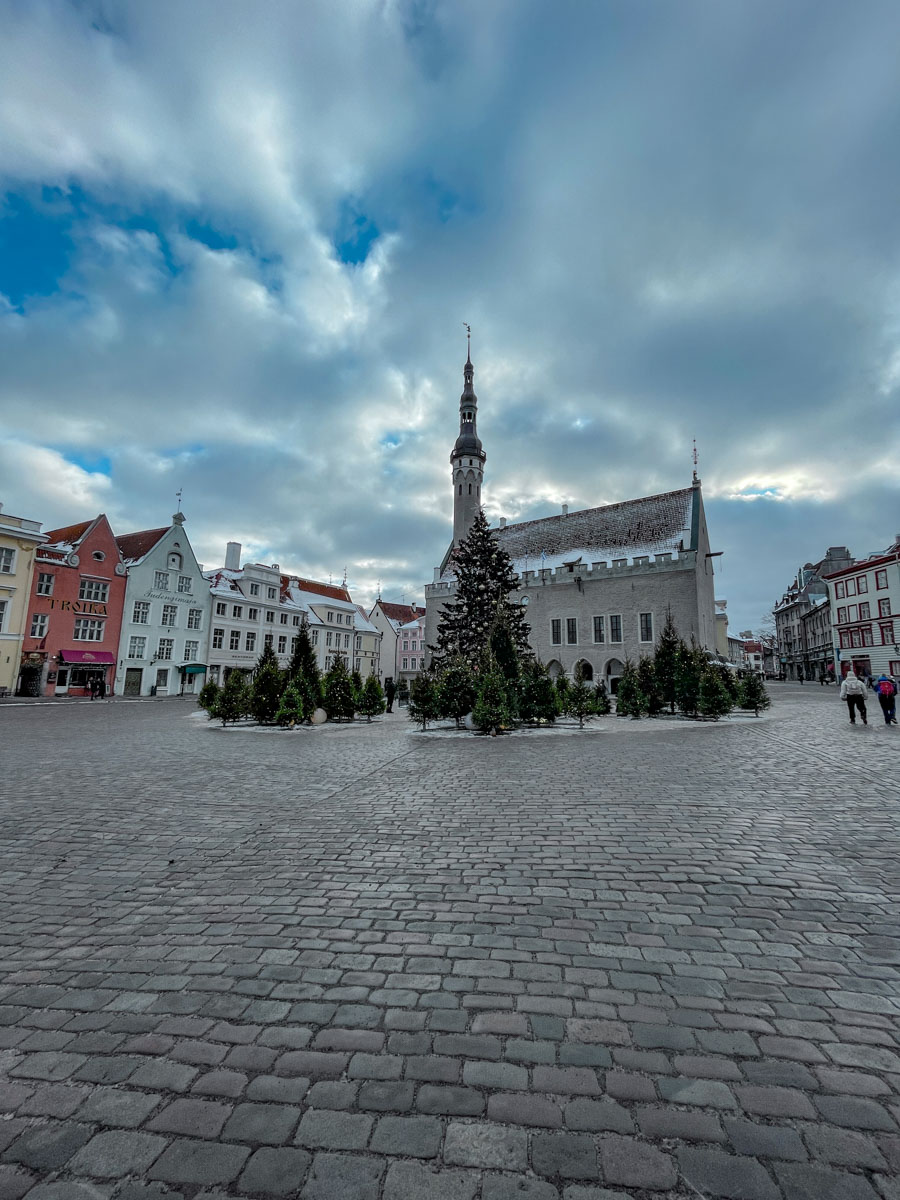
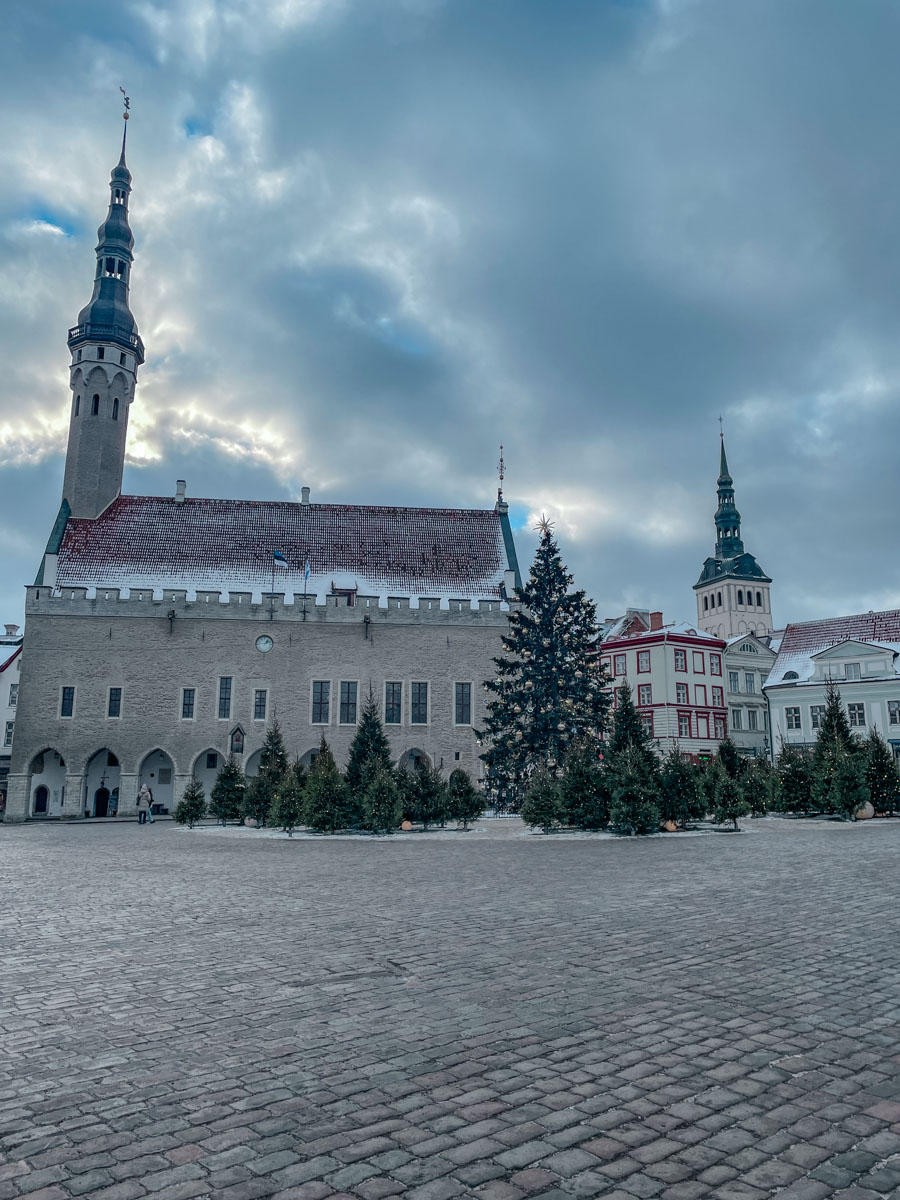
Town Hall Square is the heart of Tallinn’s Old Town and has been a central gathering place since the Middle Ages. The Gothic Town Hall itself dates back to the 13th–14th centuries and is one of the oldest surviving town halls in Northern Europe.
Standing in the square, surrounded by colorful merchant houses and historic façades, you can really imagine what life might have looked like here hundreds of years ago.
In winter, it feels especially cozy, and there’s usually a Christmas market that transforms the square into a cozy European fairytale.
It’s the perfect place to pause and grab a drink (highly recommend the III Draakon’s pub right in the center for some medieval vibes and fare!).
Alexander Nevsky Orthodox Cathedral
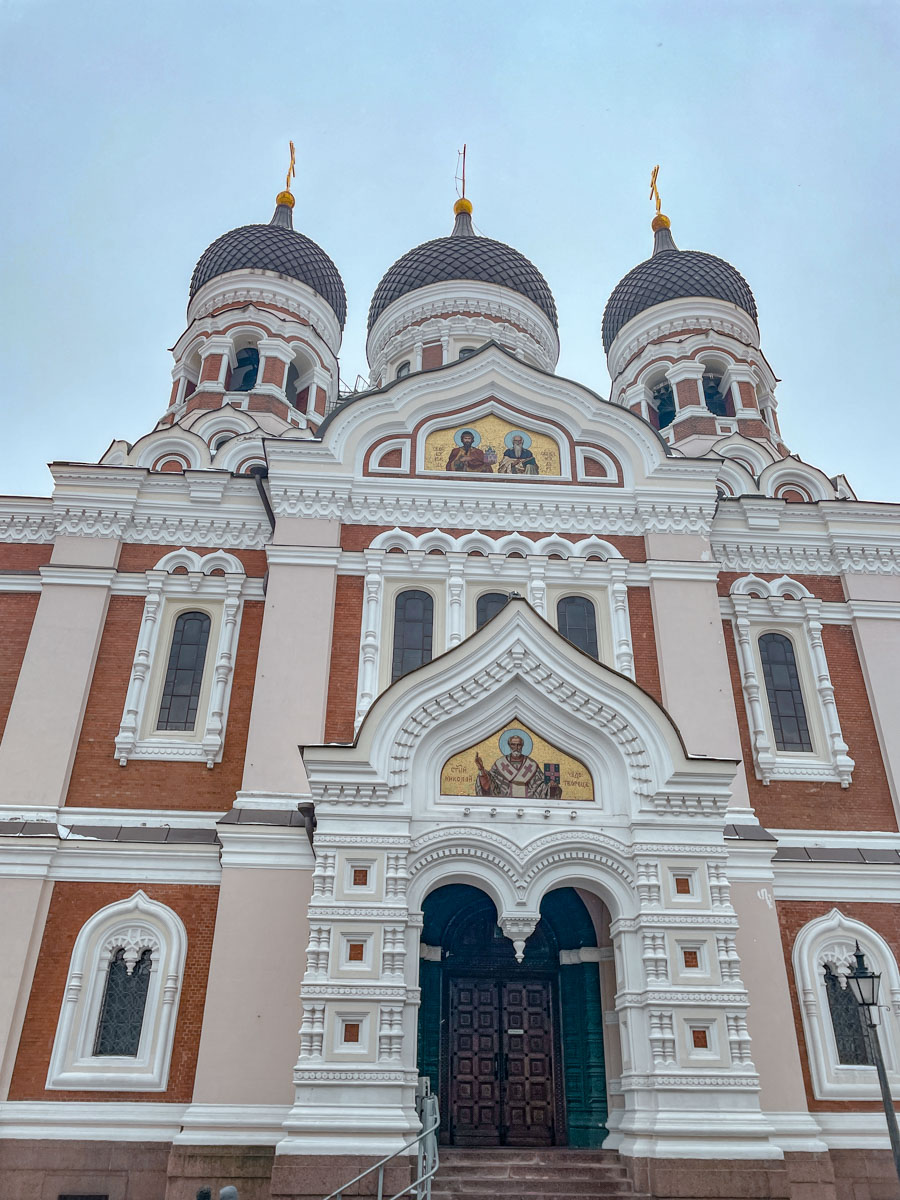
Built in the late 19th century during the Russian Empire’s rule over Estonia, Alexander Nevsky Cathedral stands as a reminder of that era. Its onion domes and ornate detailing contrast beautifully with the Gothic and medieval architecture surrounding it.
Inside, the cathedral feels dramatic and richly decorated, with icons and mosaics that reflect Orthodox traditions. Whether you’re religious or not, it’s worth stepping inside to appreciate both the craftsmanship and the historical symbolism. It’s one of Tallinn’s most recognizable landmarks, and it’s worth a visit.
St. Olaf’s Church
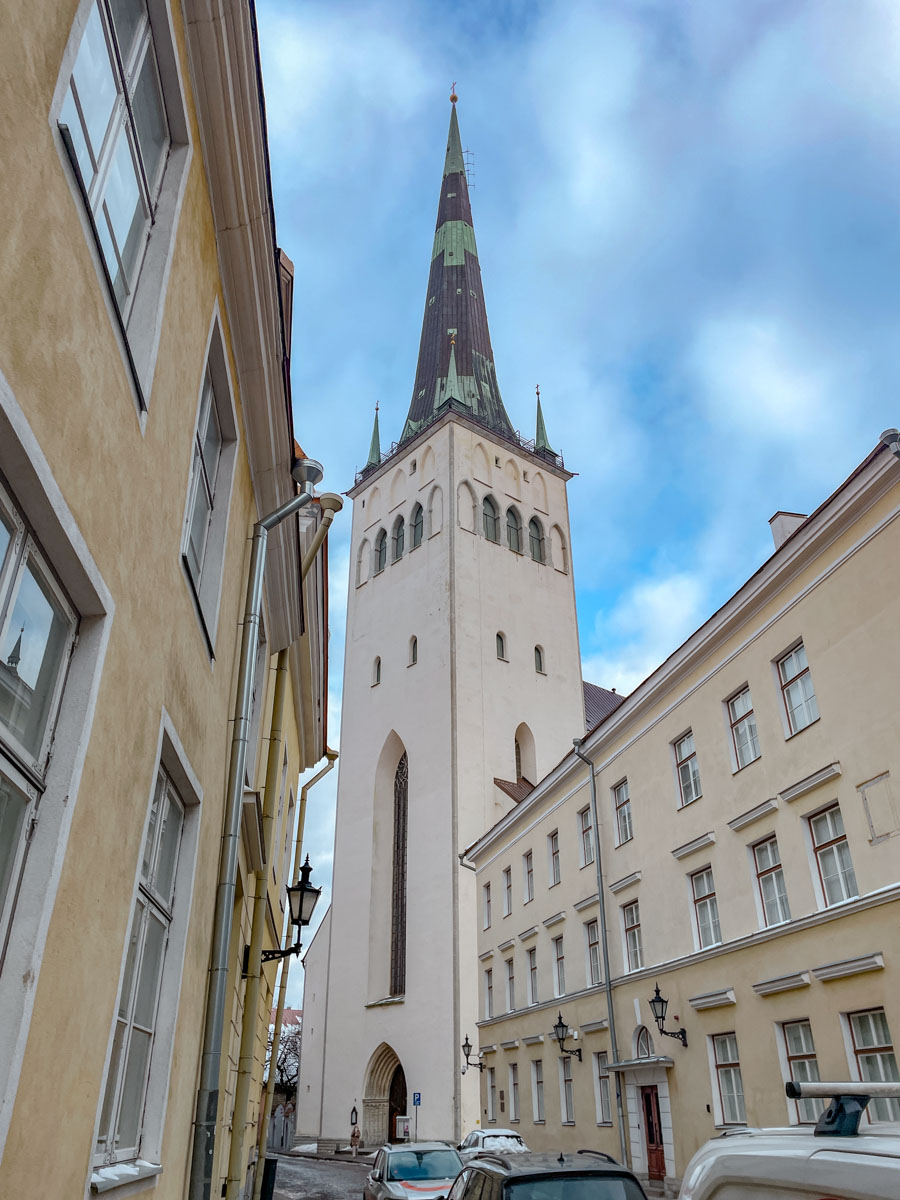
St. Olaf’s Church is another notable landmark in Tallinn that you’ll see on a lot of postcards. The church dates back to at least the 12th century and was once considered one of the tallest buildings in the world during the 16th century (which is wild to think about).
At a time when skyscrapers didn’t exist, this spire served as the city’s skyscraper, and symbolized Tallinn’s importance as a trading city.
Climbing the tower is a bit of a workout, but the views at the top are absolutely worth it. You get sweeping panoramas of red rooftops, church spires, and the Baltic Sea in the distance. Even if you don’t climb, seeing the church from below or from one of the viewing points is also a great photo opportunity!
Toompea Castle
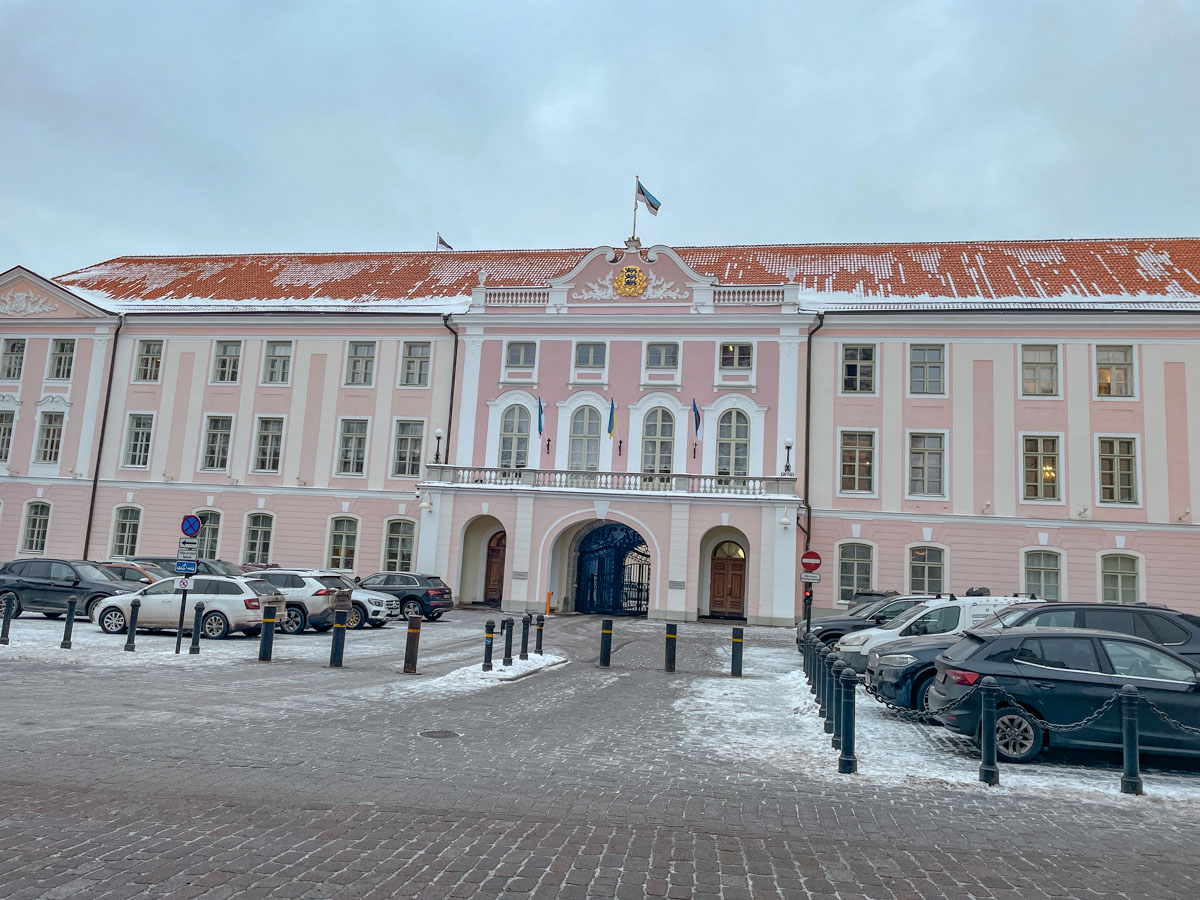
Toompea Castle sits on a limestone hill overlooking the city and has been a power center since at least the 9th century. Over the centuries, it has been ruled by Danish kings, the Teutonic Order, Swedes, Russians, and today, it houses Estonia’s parliament.
It’s very cool that it’s still operating today, and the surrounding viewpoints offer some of the best views in Tallinn. Even if you don’t go inside, the area is worth visiting for both the scenery and the symbolism.
St. Catherine’s Passage
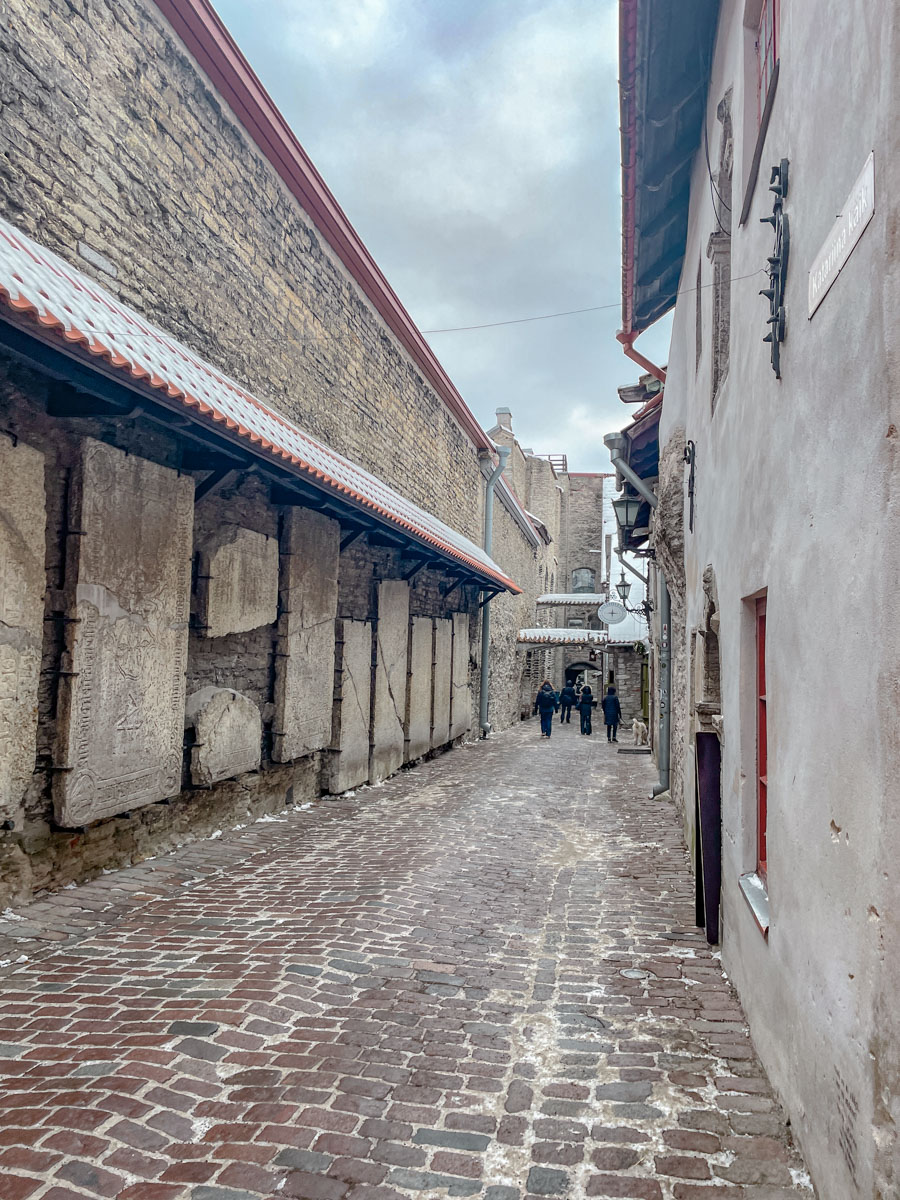
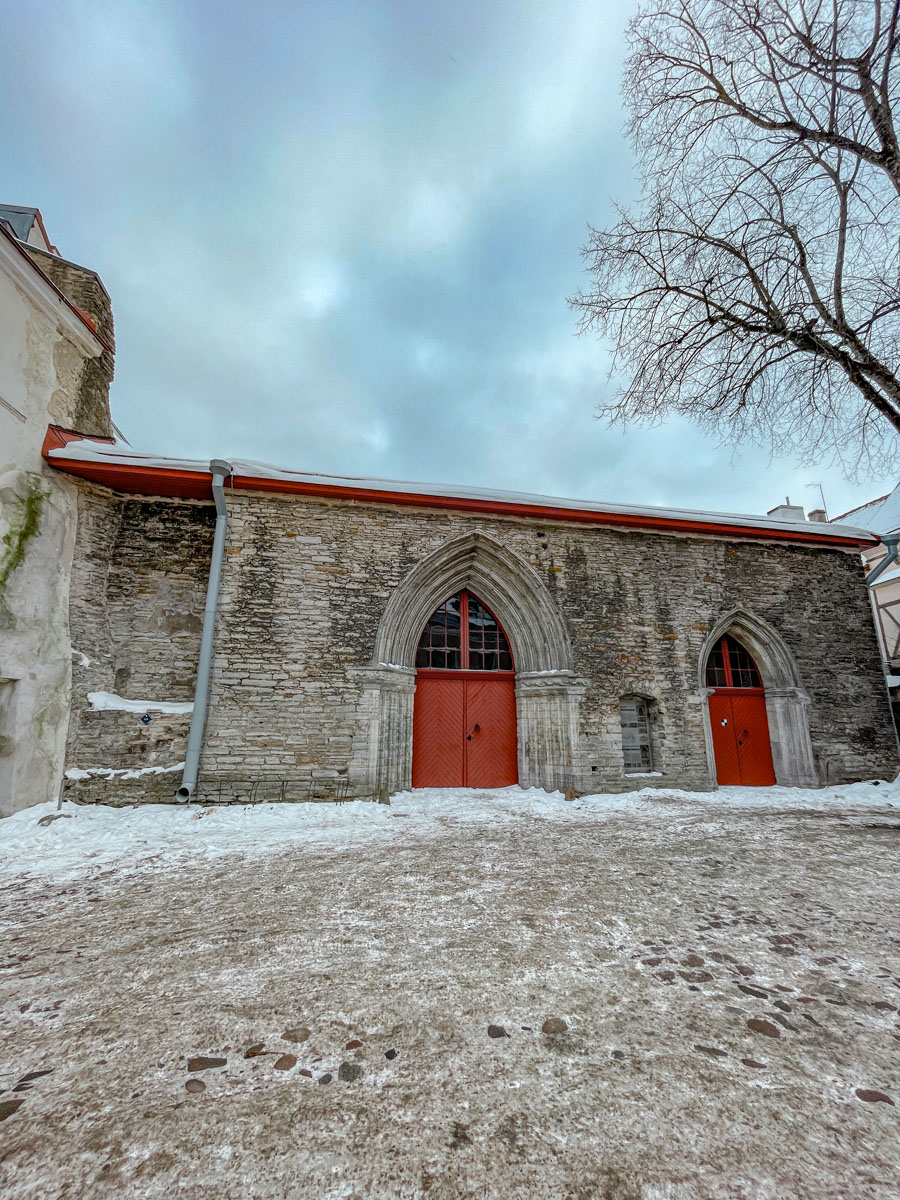
This narrow alleyway was one of my favorite spots to wander. St. Catherine’s Passage dates back to medieval times and connects Vene and Müürivahe streets. It’s full of stone walls, old archways, and artisan workshops that line the passage.
It’s quieter than other parts of Old Town, which makes it a good spot to relax and pop into cute shops. There are also informative plaques explaining the historical significance of the area that are interesting to read.
Fat Margaret’s Tower
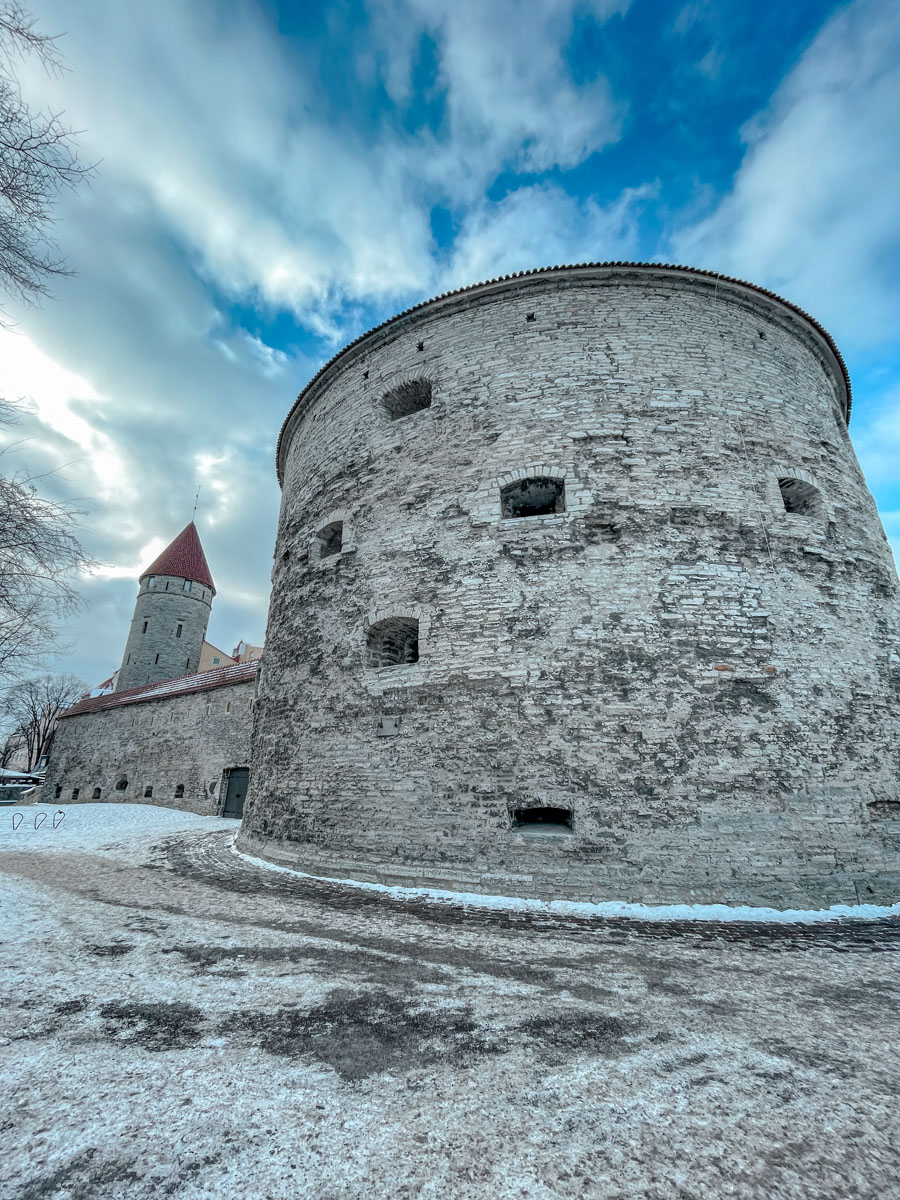
Fat Margaret’s Tower, built in the 16th century, was designed to defend the harbor and protect Tallinn from sea-based attacks. Its thick, rounded structure earned it its nickname (I couldn’t help but chuckle every time I put the name into Google Maps), and standing next to it really shows how seriously the city took its defenses.
Today, it houses part of the Estonian Maritime Museum, which dives into Tallinn’s long relationship with the sea. Maritime history played a huge role in shaping the city, and this is a great place to learn about it!
Viru Gate
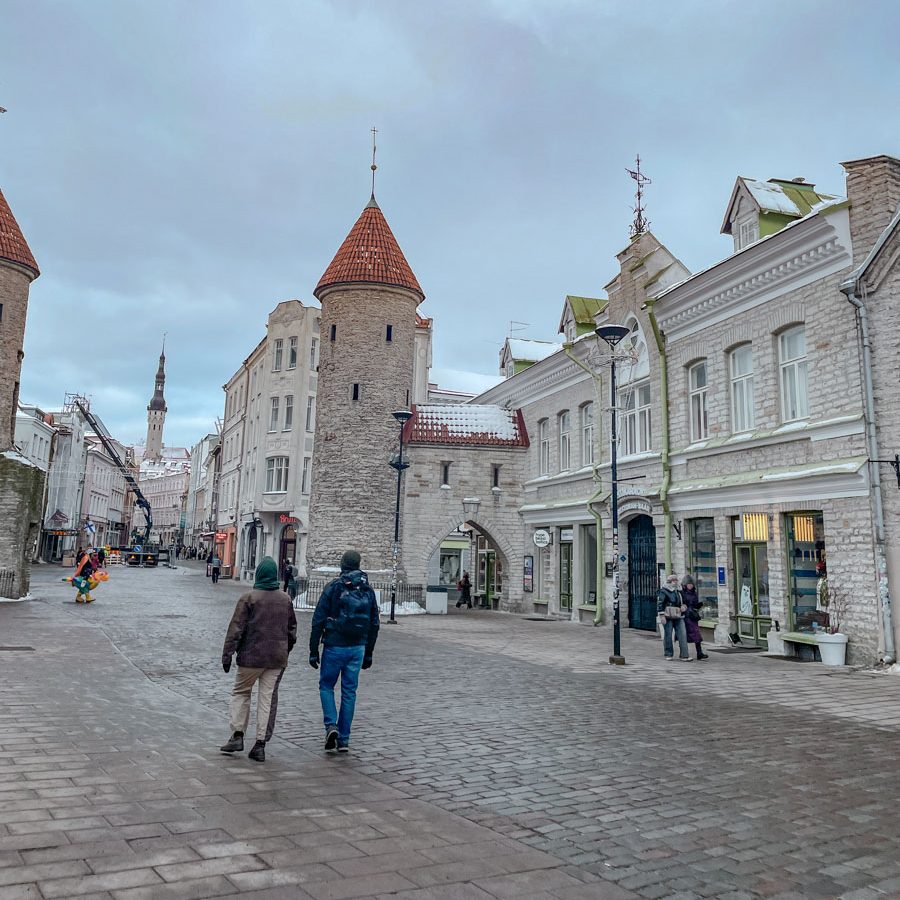
When you first walk into Old Town, you’re greeted by Viru Gate. These two iconic stone towers are remnants of the original 14th-century city walls, when Tallinn (then known as Reval) was a major trading hub in the Hanseatic League.
When we arrived in snowy January, the towers were dusted in white and it made for some beautiful photos. It’s one of the most photographed spots in the city for good reason. Even if you don’t stop long, take a moment here, because once you pass through, the modern world fades and you’re surrounded by a medieval vibe.
Old Town Cobblestone Streets
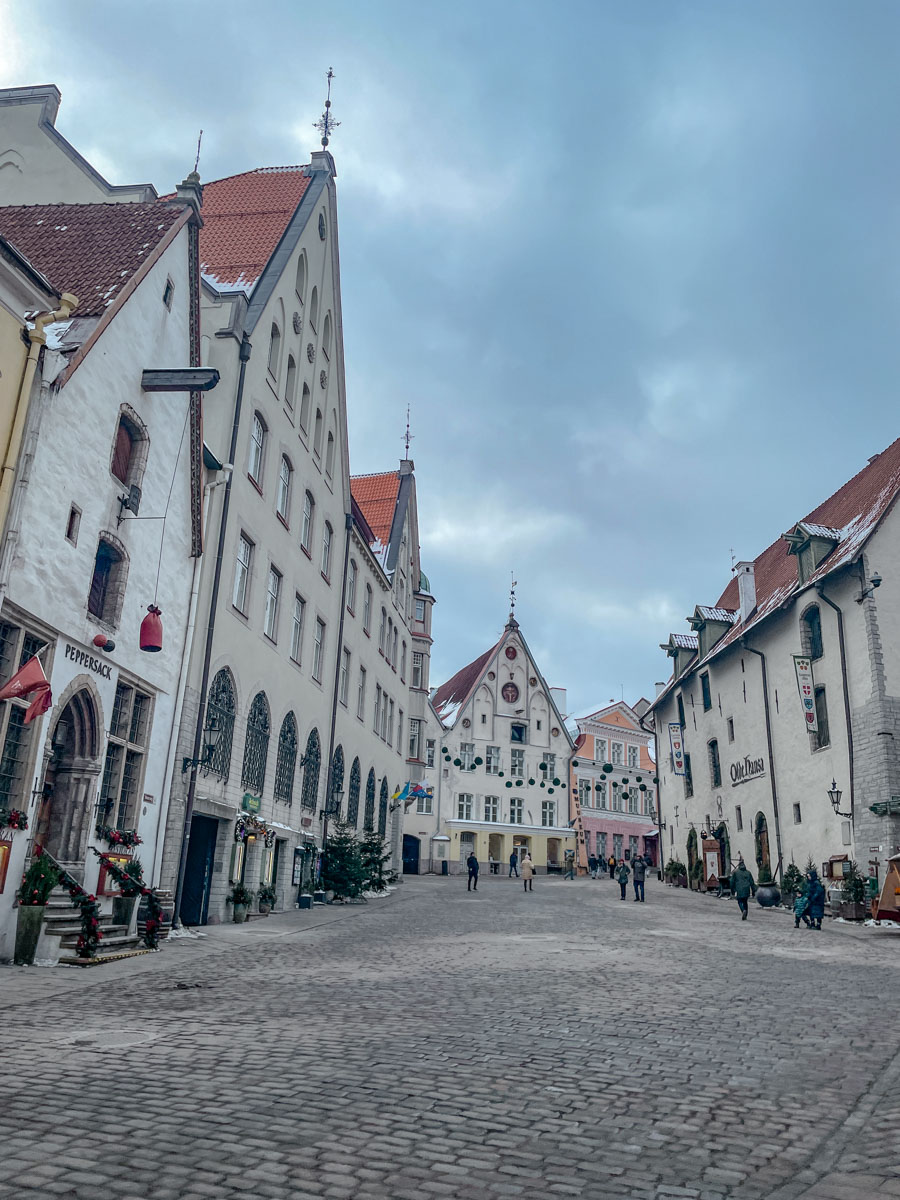
Honestly, some of my favorite moments in Tallinn weren’t tied to a specific landmark, they included just wandering around Old Town. You want to take a photo at every very corner, between the colorful merchant houses, iron lanterns, hidden courtyards, and tiny artisan shops tucked into centuries-old buildings.
Tallinn’s Old Town dates back to the 13th century, and so much of it remains intact. I also felt incredibly safe walking around, even in the evenings as a female traveler.
Tallinn City Museum
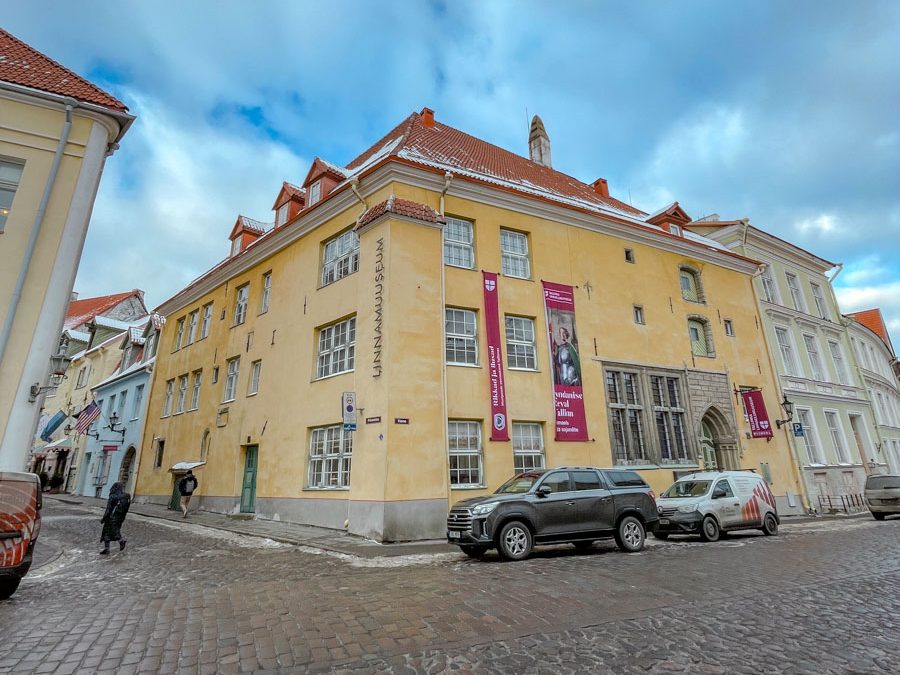
If you want a clearer understanding of how Tallinn evolved over the centuries, the Tallinn City Museum is the stop for that. It walks you through the city’s transformation from a medieval trading center to a modern European capital, covering periods of Danish, Swedish, German, and Russian rule.
It’s best to visit this place after exploring Old Town a little bit with a guide or on your own, as it helps connect the dots. This museum gives you a fuller appreciation for everything you’re walking past outside.
Viewpoints & Scenic Spots
One thing I didn’t fully realize before visiting is how elevated parts of Tallinn are. The city has viewpoints that are only accessible by foot, and give you a completely different appreciation for its layout.
Seeing the city from above really reinforces how well-preserved and compact it is. And in winter, with snow covering the rooftops, it was picture-perfect.
Kohtuotsa Lookout
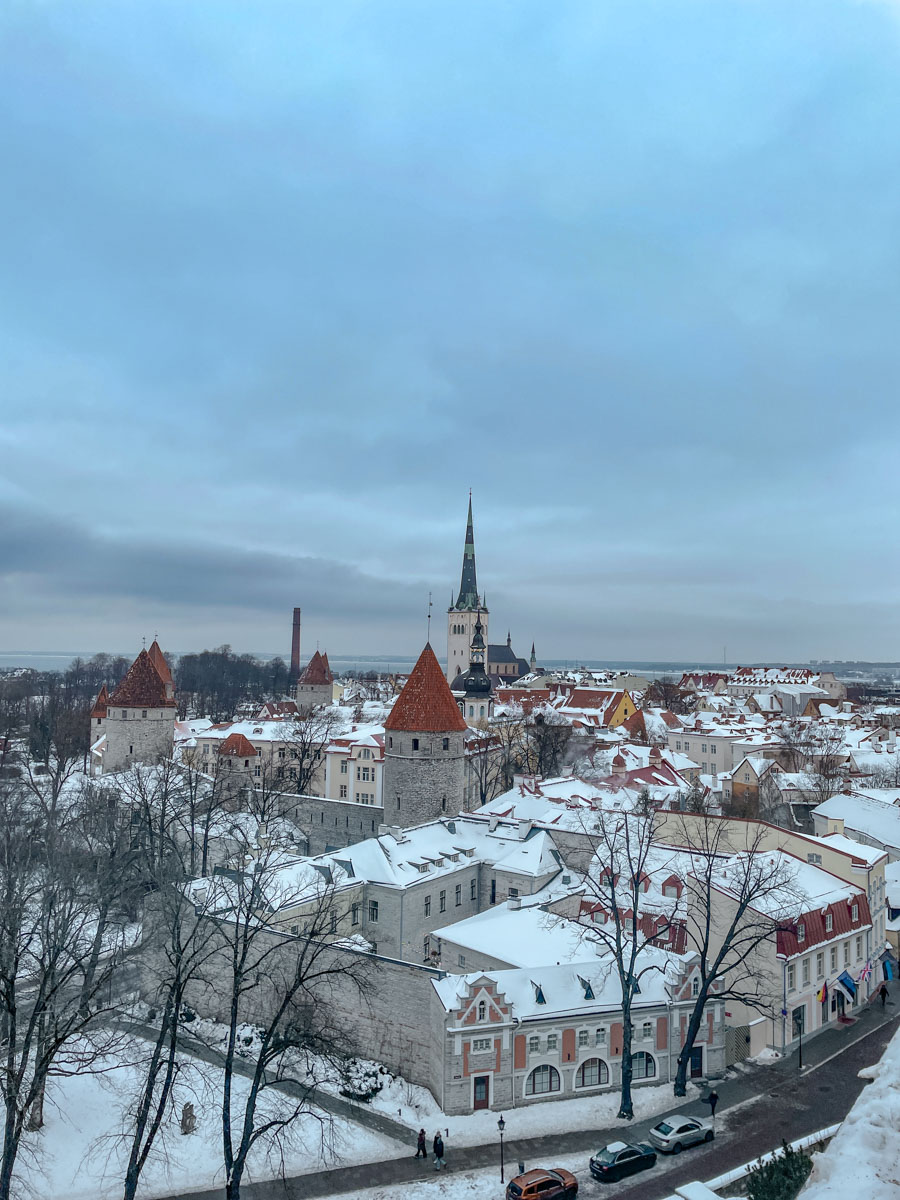
Kohtuotsa Lookout offers that classic postcard view of Tallinn, with rows of red rooftops, medieval towers, and St. Olaf’s spire rising dramatically in the distance. It’s one of the most photographed viewpoints in the city, and when you get there, you understand why.
Sunset is a beautiful time of day to visit, or earlier in the day when there aren’t as many tourists. It’s also a quick 2-minute walk to the Patkuli viewing platform, so you can combine both viewpoints during one trip and maximize your photos of the city.
Patkuli Viewing Platform
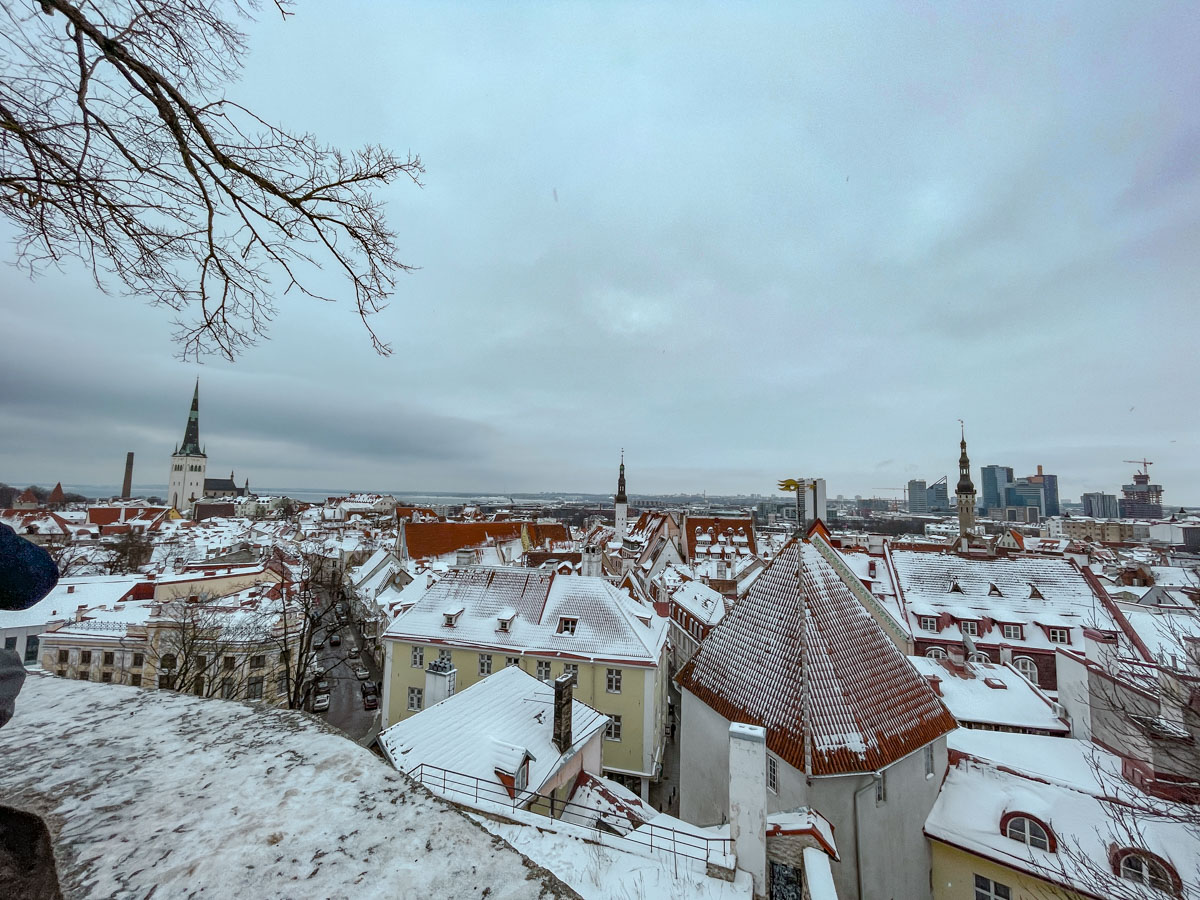
Patkuli Viewing Platform was my favorite of the two viewing platforms. Here it feels slightly quieter and more expansive, and you can see long stretches of the old defensive walls and towers.
This viewpoint gives you a better sense of the city’s strategic design. It’s peaceful, less crowded, and perfect if you want to pause for a moment and take everything in.
Tallinn TV Tower
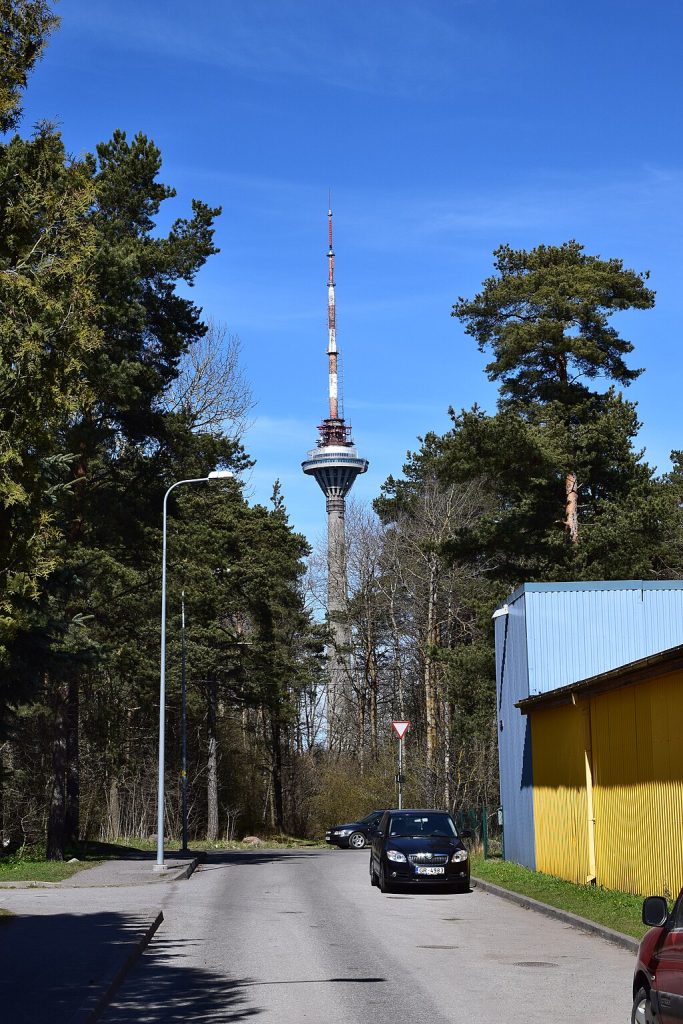
For a modern contrast to all the medieval architecture, the Tallinn TV Tower is worth a stop. Built during the Soviet era for the 1980 Moscow Olympics, it now serves as a panoramic observation tower with sweeping views over the city and coastline.
If you’re feeling adventurous, the Walk Along the Edge of Tallinn TV Tower experience lets you literally walk around the outside edge of the tower. It’s definitely not for the faint of heart, but it’s such a unique way to see Tallinn from above.
➡️ Get your Tallinn TV Tower tickets here!
Danish King’s Garden
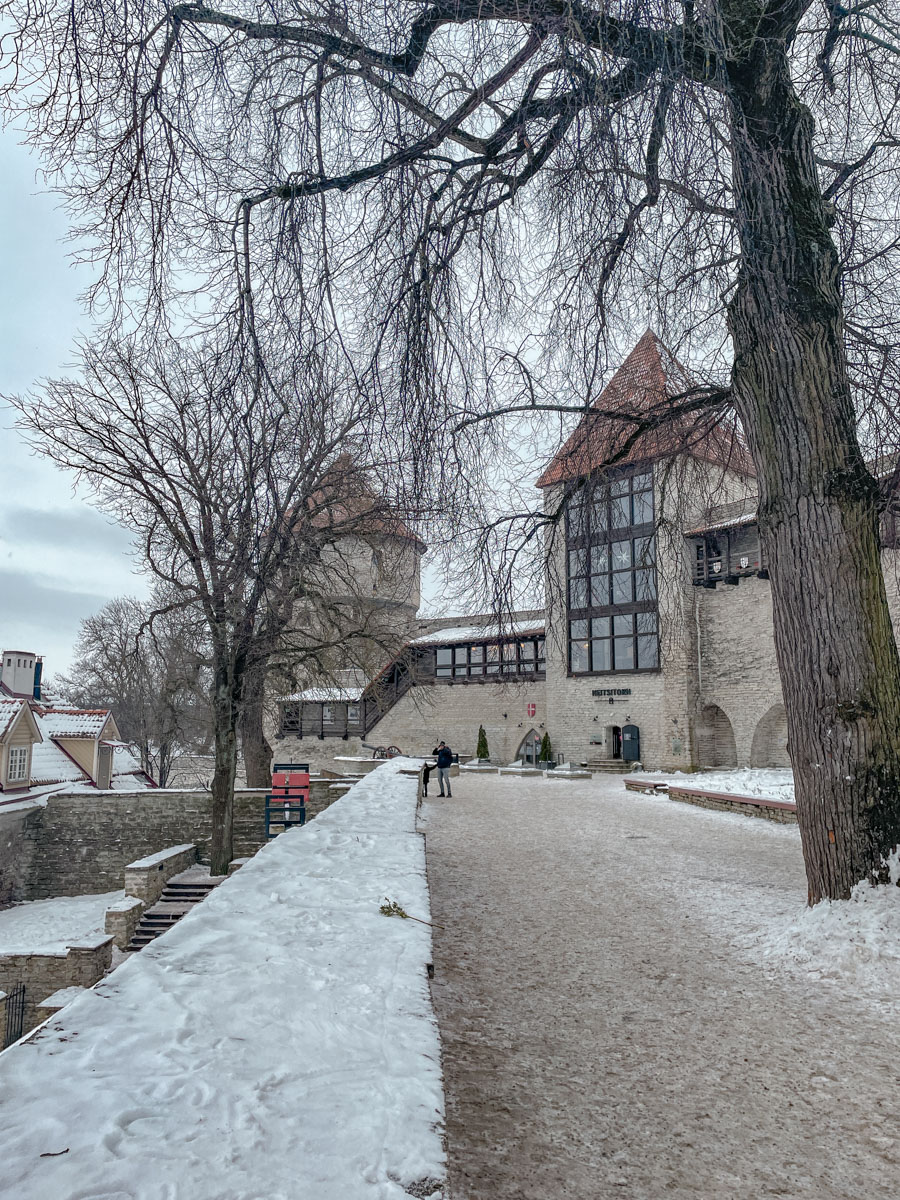
Danish King’s Garden is a small but historic green space near Toompea. According to legend, this is where the Danish flag (the Dannebrog) fell from the sky during a 13th-century battle, claiming victory over the city.
Even if you’re not deep into the legend, it’s a peaceful little stop while exploring the upper part of Old Town. The surrounding towers and stone walls are very impressive.
Toompea Viewpoints
Toompea Hill has several viewpoints scattered around it, and I honestly recommend stopping at all of them if you can. Each one gives you a slightly different perspective of the city. Some open toward the sea, while others give you good views of the more modern parts of the city.
You don’t need tickets or long lines to check out these viewpoints, just walk up and enjoy. It’s one of the best free experiences in Tallinn.
Neighborhoods & Outdoor Exploration
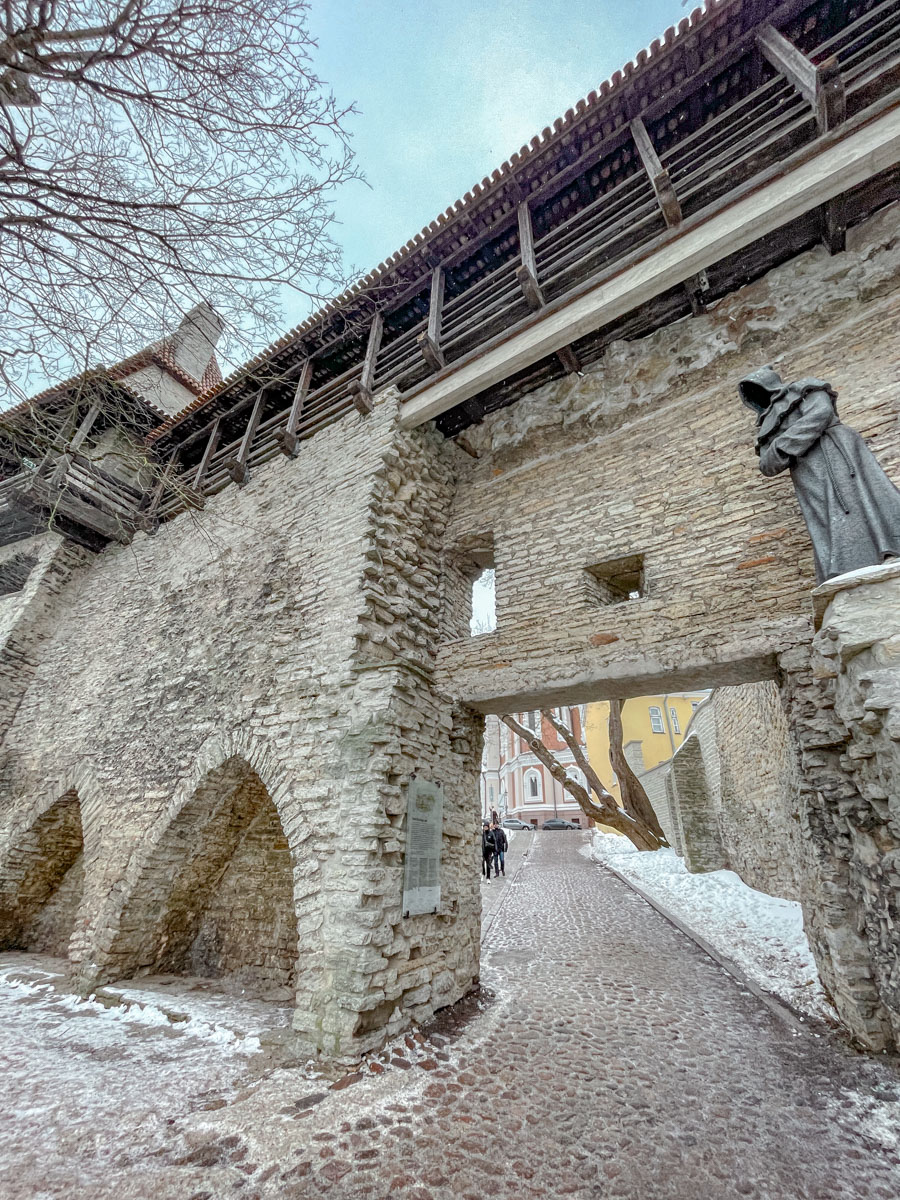
While Old Town is the heart of Tallinn, there’s more to see beyond the medieval walls, and a lot of these stops are just a short 20-30 minute walk away. Exploring different neighborhoods shows how the city blends historic charm with creative, modern energy.
Bike Tour
A bike tour is a great way to see more beyond Old Town, especially in warmer months. Tallinn is fairly compact, but cycling helps you see coastal paths, parks, and residential areas you might otherwise miss if you just stayed in Old Town.
This is the best bike tour to see a lot more of the city, and get a feel for how locals live in Tallinn!
➡️ Click here to book your Tallinn bike tour!
Ghost Tour
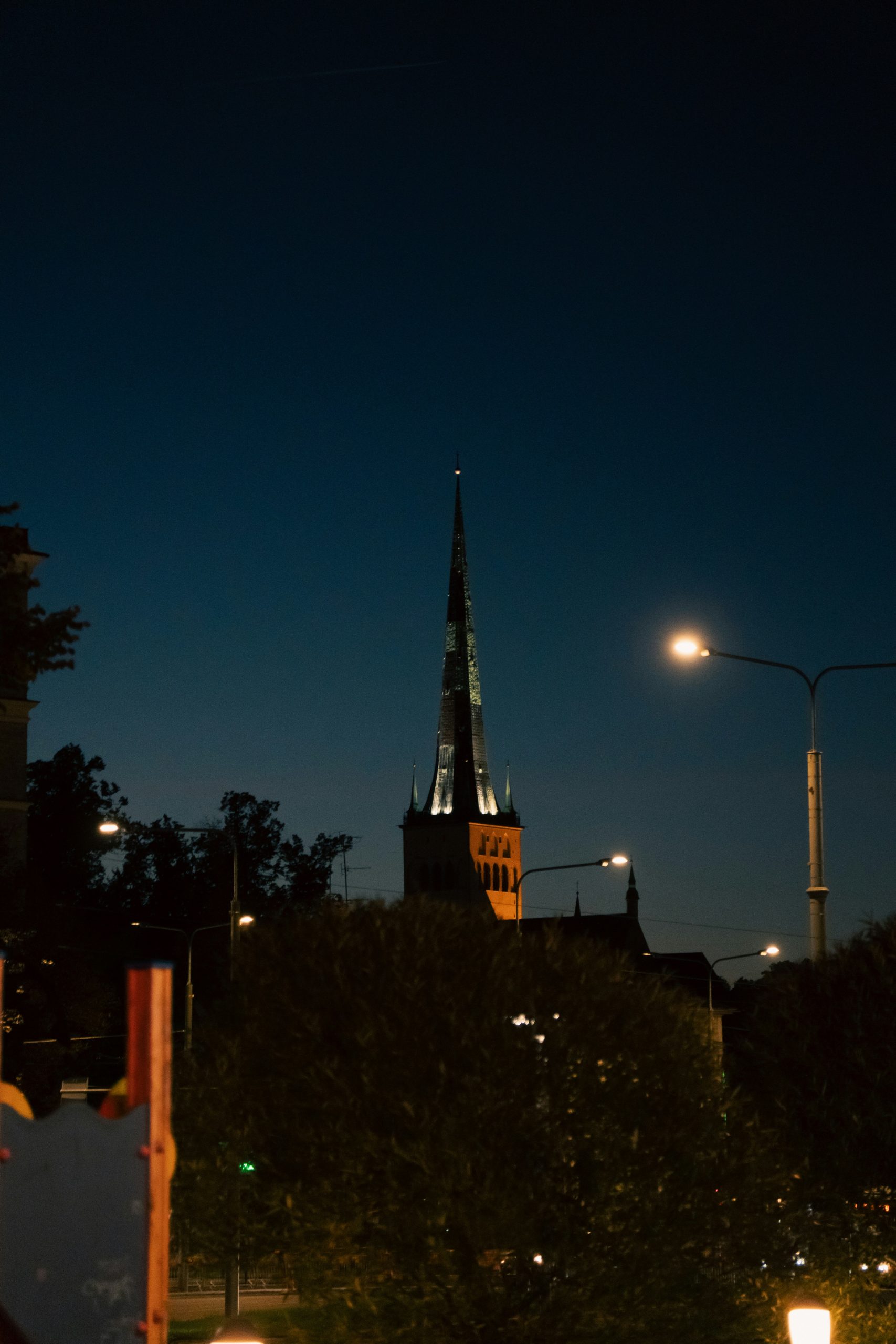
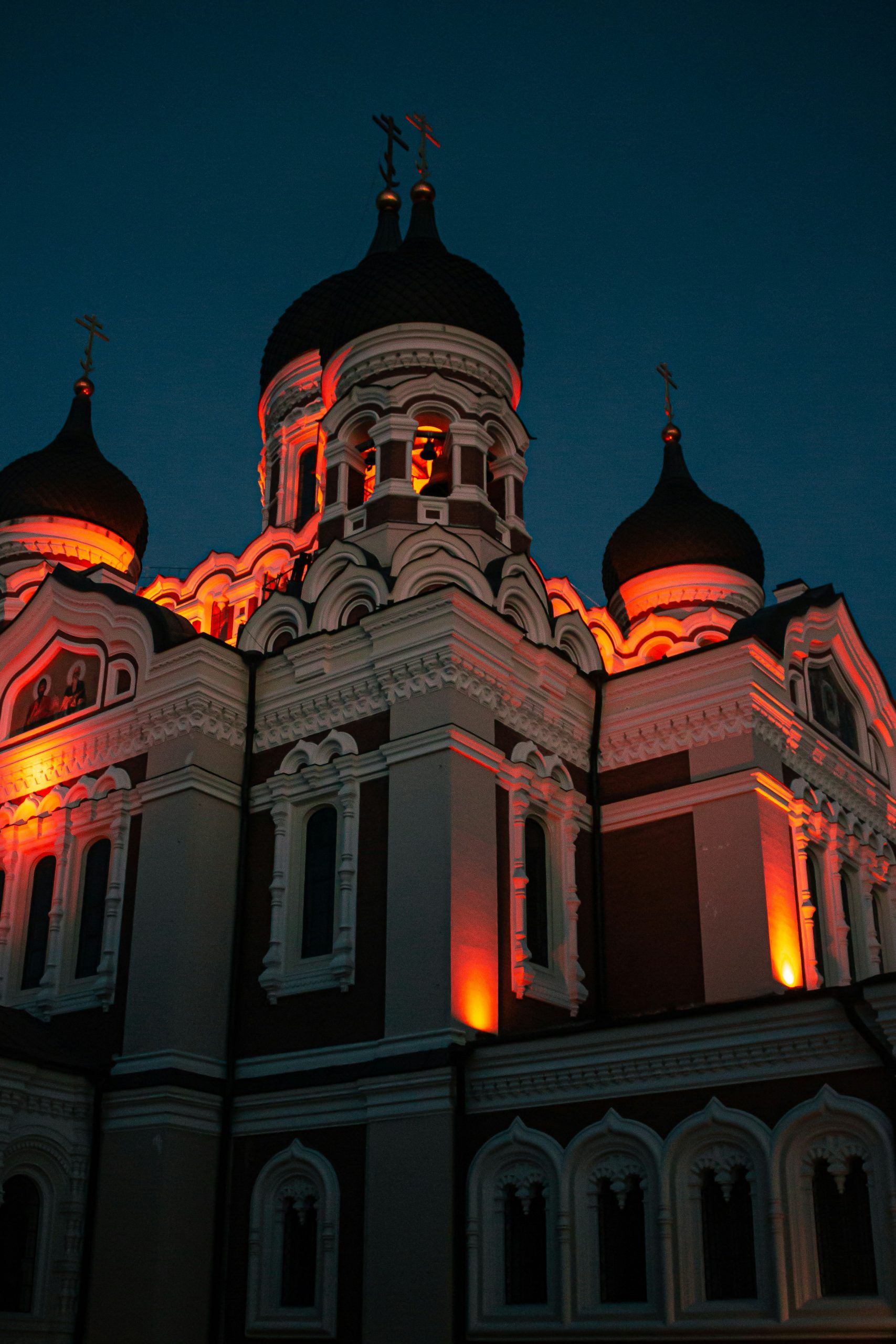
With a medieval city this well-preserved, of course there are ghost stories. The Ghost and Legends Walking Tour leans into Tallinn’s darker folklore, sharing tales of merchants, monks, and mysterious happenings from centuries ago.
Walking through dimly lit cobblestone streets while hearing these stories is a little bit creepy, entertaining, and educational, because you learn about medieval life and local legends along the way.
➡️ Book this fun Tallinn ghost tour here!
Telliskivi Creative City & Balti Jaama Market
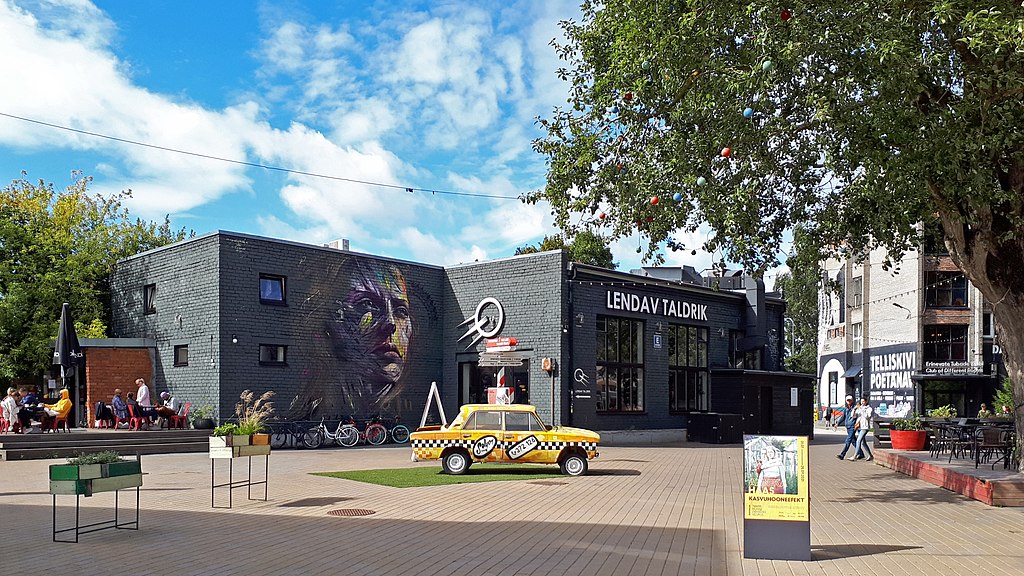
Telliskivi Creative City is Tallinn’s artsy, modern counterbalance to Old Town. What was once an industrial complex has been transformed into a hub for street art, independent shops, creative studios, and trendy cafés.
Right next door, Balti Jaama Market offers food stalls and local goods in a lively setting. It shows you a totally different side to Tallinn.
Kadriorg Park
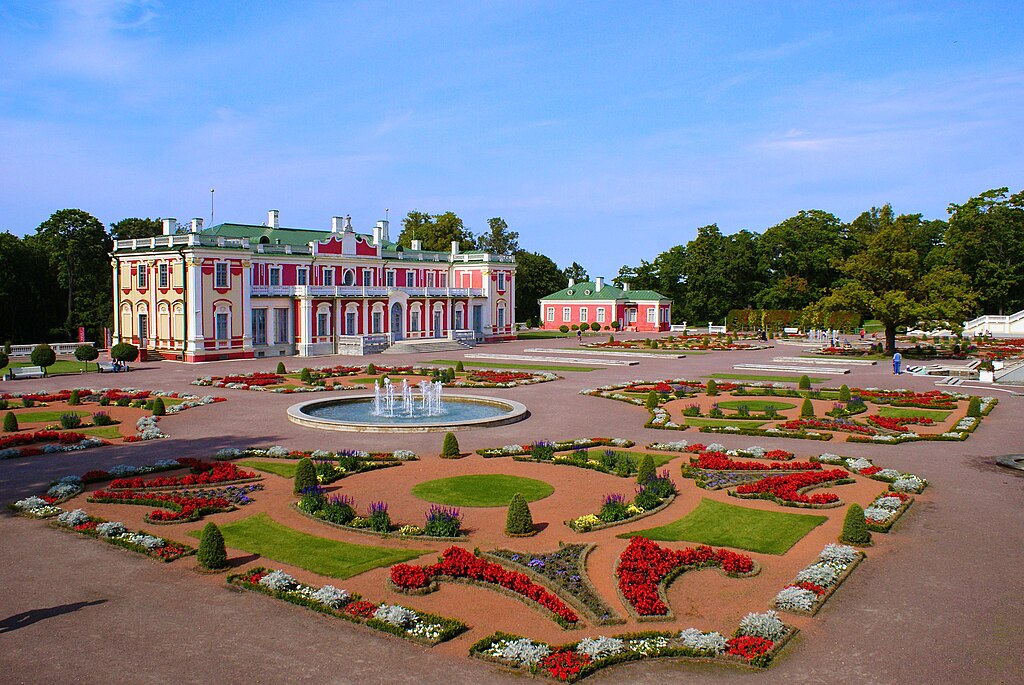
Kadriorg Park is elegant, landscaped, and peaceful. The park was originally commissioned by Peter the Great in the 18th century for his wife Catherine I. The baroque Kadriorg Palace adds a completely different architectural style to the mix.
It’s a beautiful place for a walk year-round. In winter, it feels calm and quiet. In spring and summer, it’s lush and colorful. If you need a break from cobblestones, this is a great reset that’s about a 40-minute walk from Old Town.
Estonian Open-Air Museum
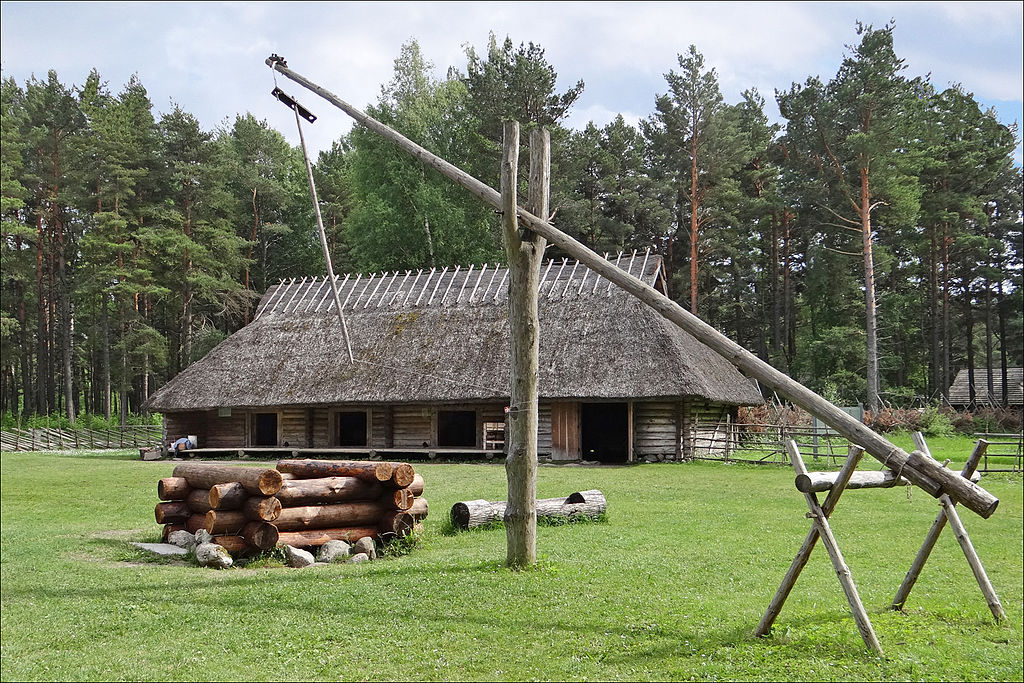
The Estonian Open-Air Museum gives insight into rural life and traditional architecture from different regions of Estonia. Historic farmhouses, windmills, and wooden chapels have been relocated here, and you can see how people used to live long ago. It adds a whole new layer to understanding Estonia beyond Tallinn.
Visit Kalamaja
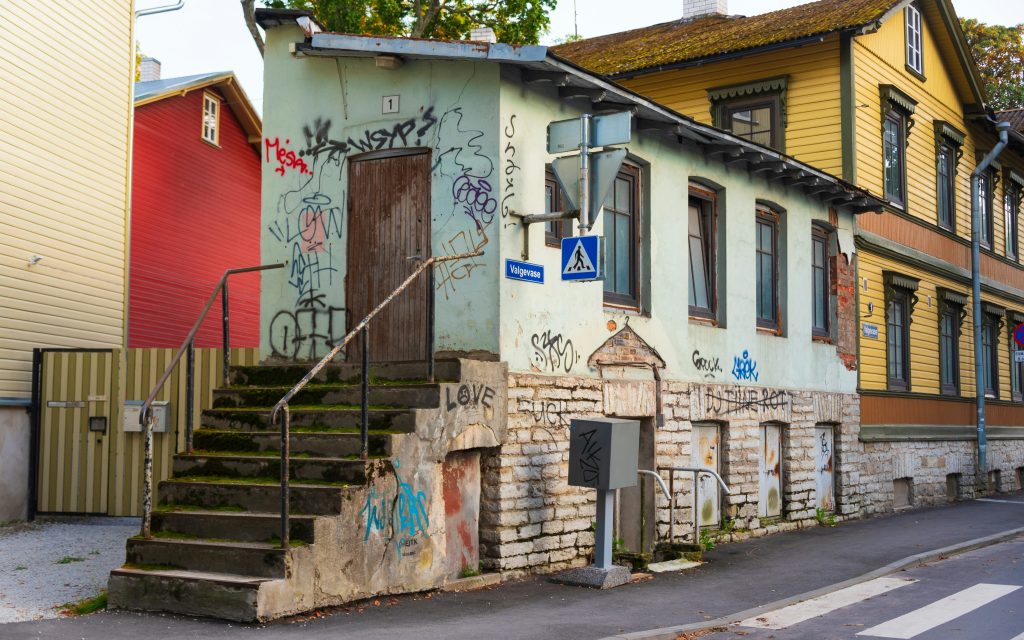
Kalamaja is one of Tallinn’s trendiest neighborhoods, known for its colorful wooden houses and relaxed café culture. Historically, Kalamaja was a working-class fishing district, but now it has evolved into a creative and residential area with tons of character.
It feels quieter and more local than Old Town. If you want to see how people actually live in Tallinn today, Kalamaja is a great place to see that.
Food & Drink Experiences
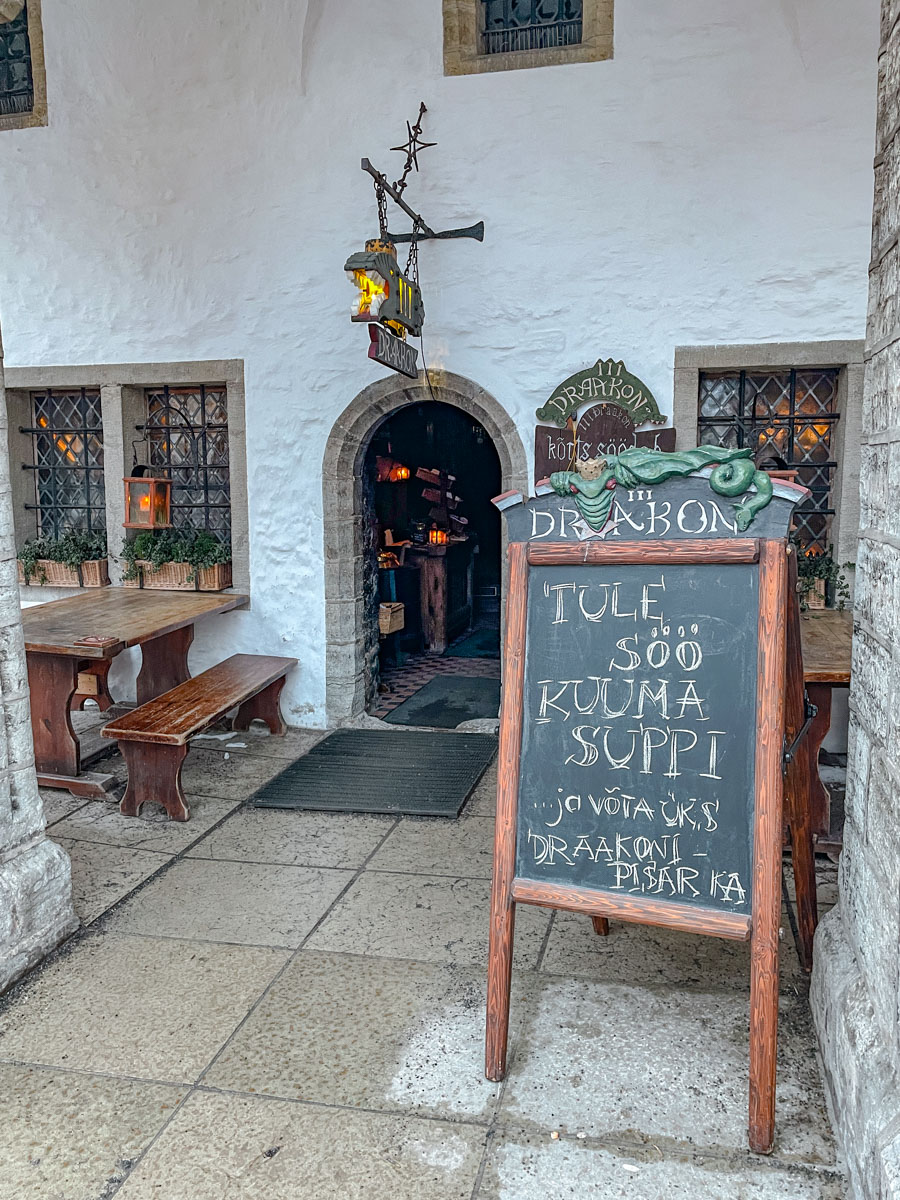
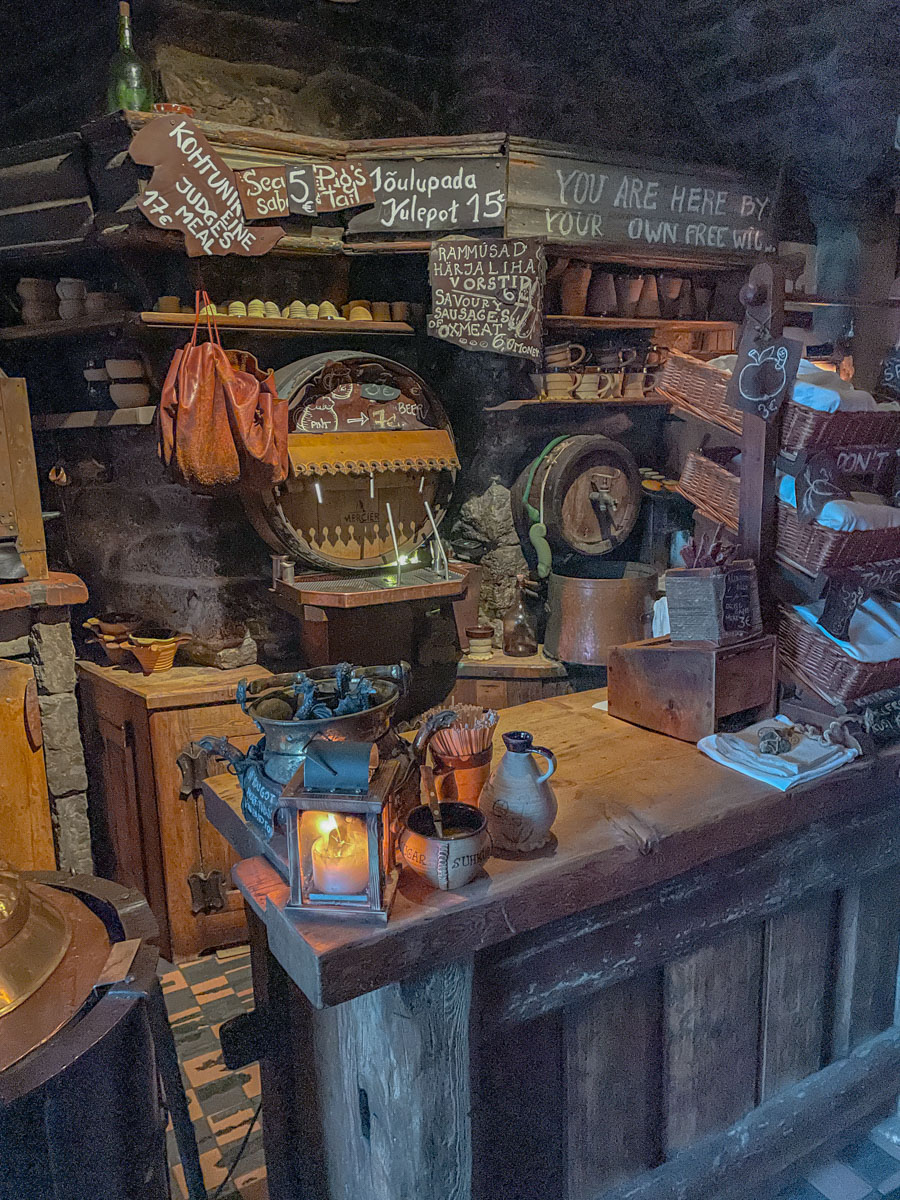
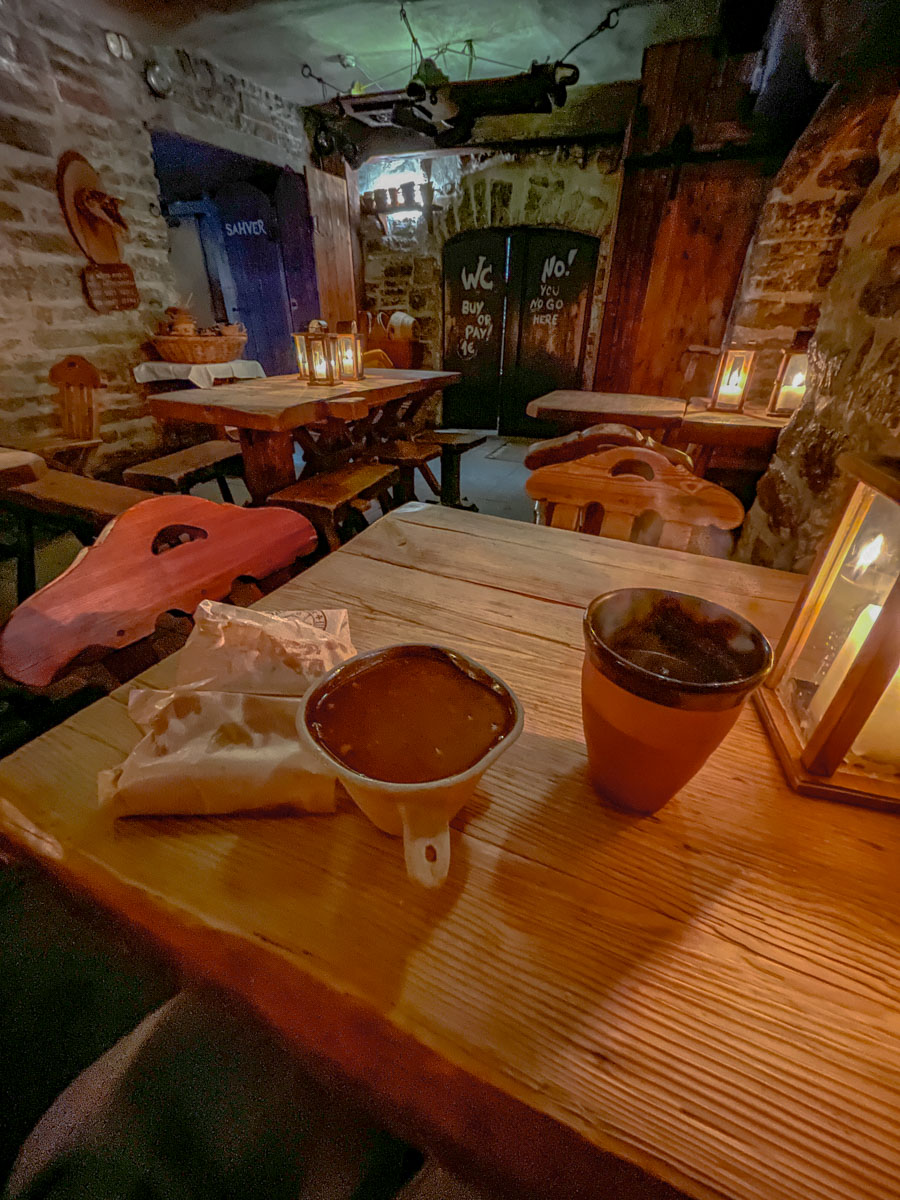
Tallinn’s food scene was really, really good. It’s hearty, creative, and cozy, especially in winter with hearty soups and stews.
One standout is III Draakon, a medieval-style pub tucked into Town Hall Square. It’s dimly lit, rustic, and serves simple traditional dishes like elk soup and meat pies. The lady at the counter is super sassy, and eating there feels like stepping into a medieval tavern. It’s affordable, fun, and totally on theme with the city.
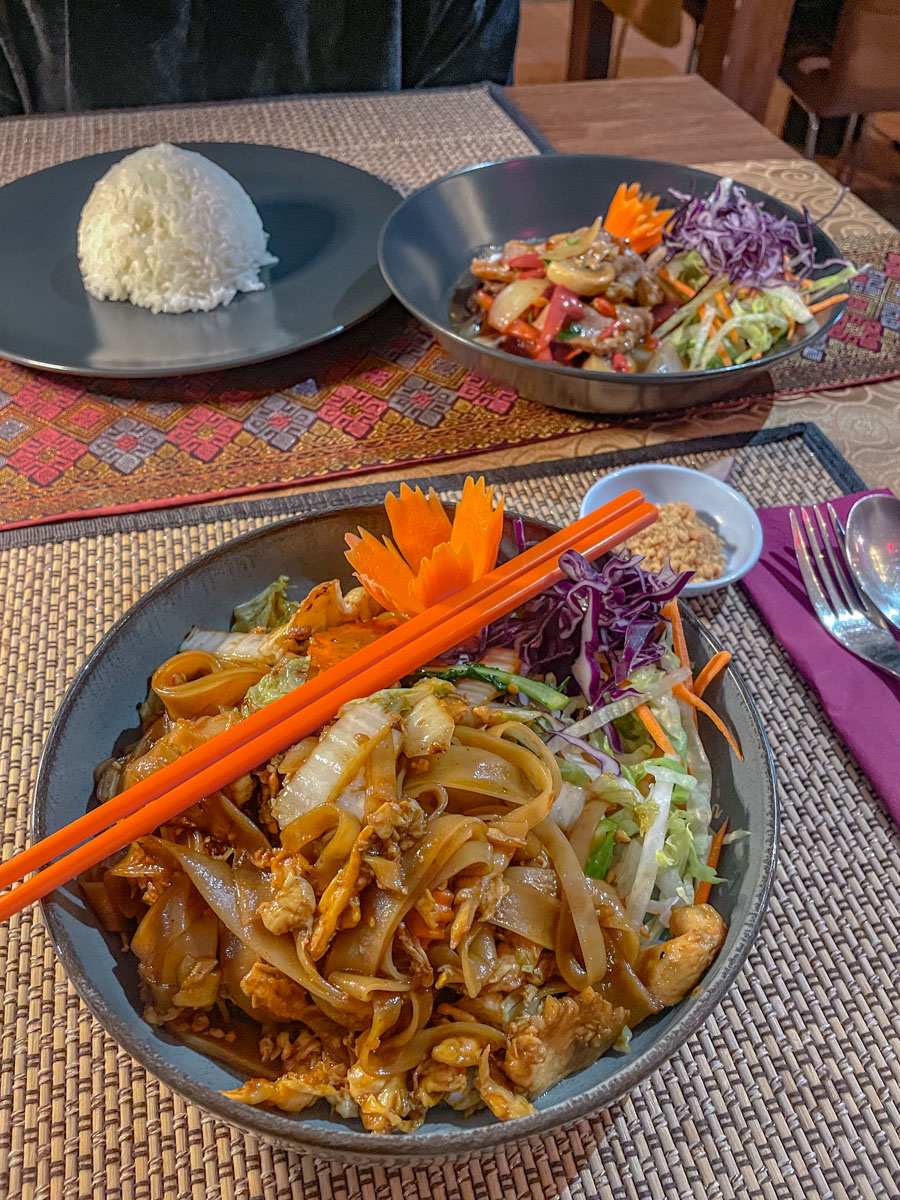
If you’re looking for some good Asian food, check out the New Thai restaurant. It’s slightly outside of the old town area, but their duck curry and pad see ew were absolutely delicious, and the interior is very pretty!
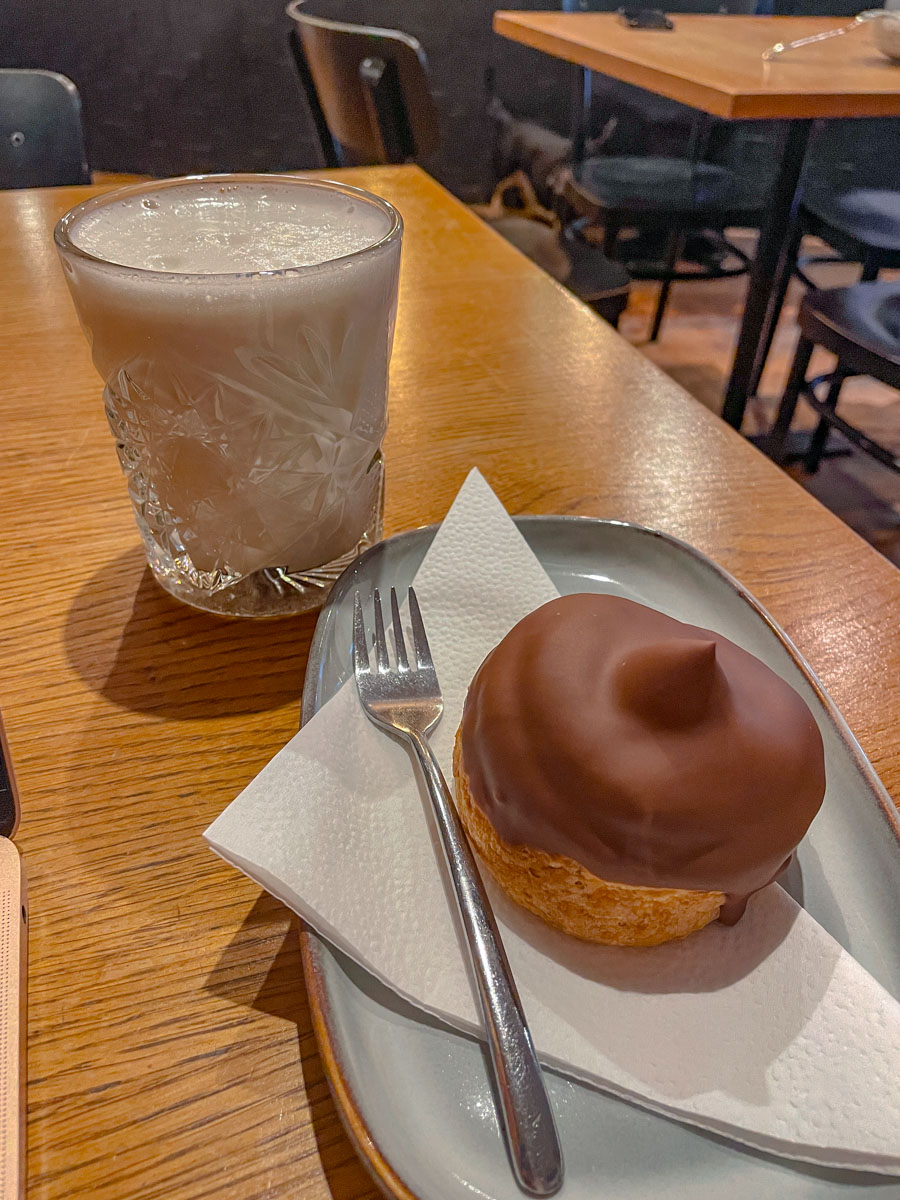
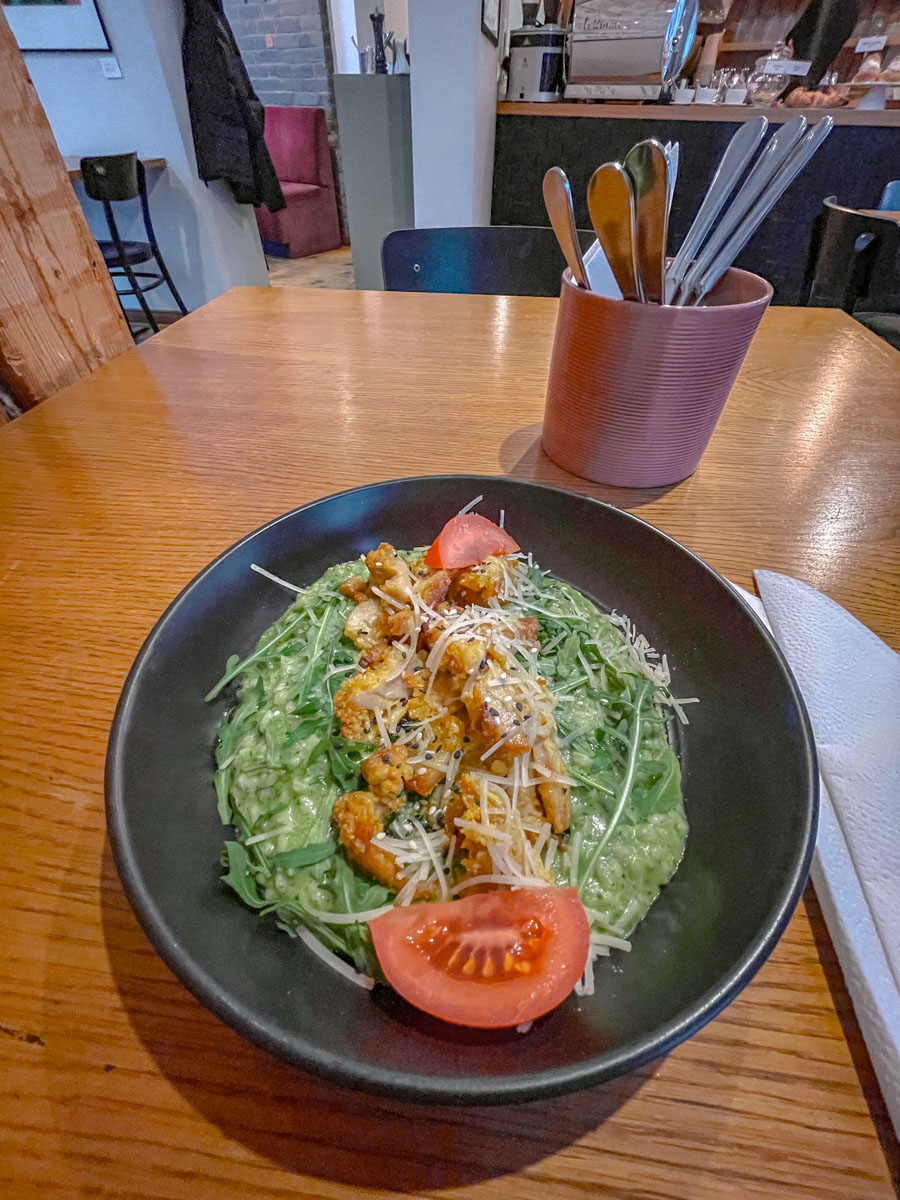
If cafes are more your thing, the best two cafes in the city are Faehlmanni Kohvik and Reval Cafe. The prices are super reasonable, and it’s a great spot to relax after sightseeing or get productive and catch up on tasks.
Food tours and bar crawls are also fantastic ways to experience local flavors:
- Estonian Food Tour – This small-group food tour is one of the best ways to experience Tallinn beyond just sightseeing. You’ll follow a friendly local guide to several stops, which can include a medieval tavern, street food stalls, cafés, a market, and even a chocolate museum. Along the way, you’ll taste authentic Estonian dishes while learning about local food traditions. It’s relaxed, interactive, and a really fun way to understand the culture.
- Bar Crawl – If you want to experience Tallinn’s nightlife without planning it yourself, this bar crawl makes it easy. You’ll visit five bars and one club, enjoy complimentary shots, and receive drink discounts throughout the night. The group setting makes it simple to meet other travelers in a fun, low-pressure environment. It’s social, lively, and a great way to see a different side of Old Town after dark.
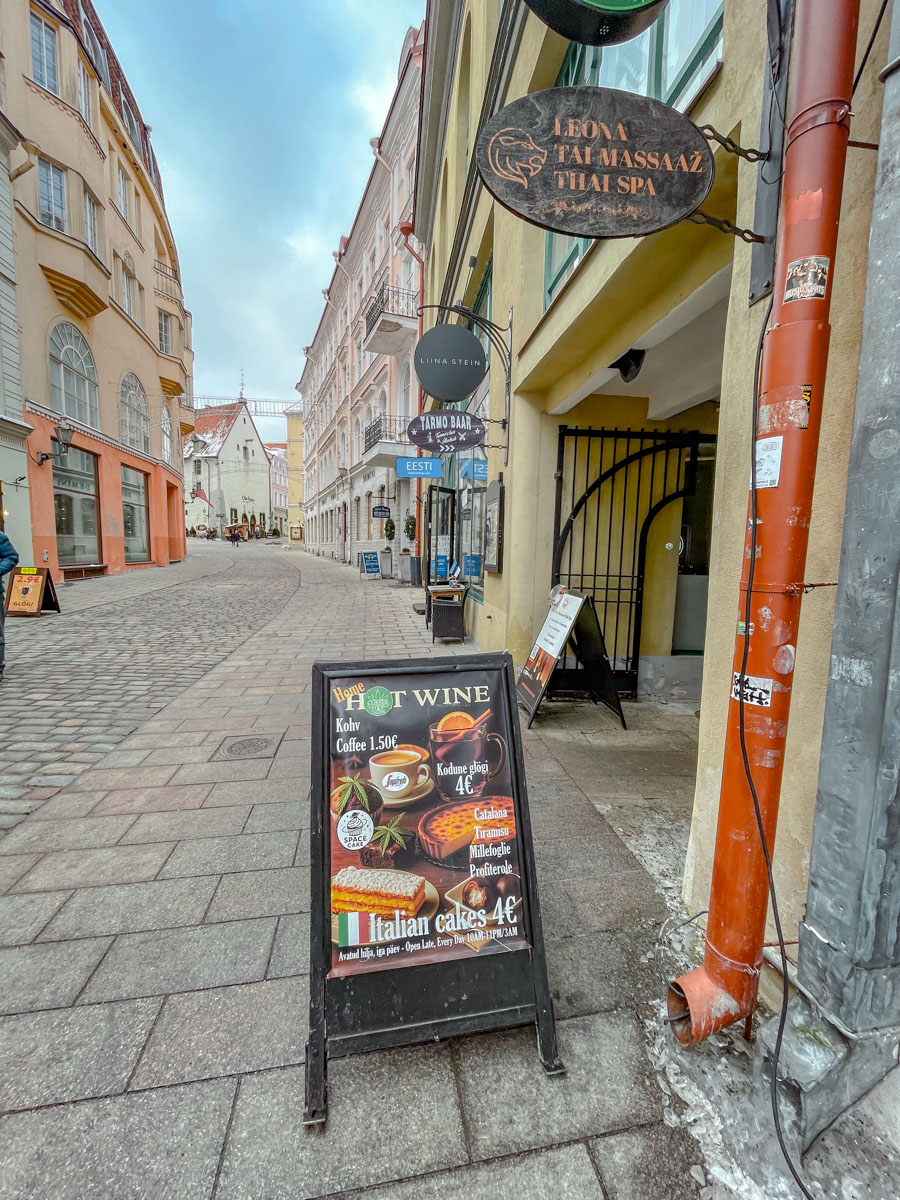
And if you’re visiting in colder months, trying hot mulled wine is a must. Almost every cafe will serve some mulled wine, and it’s a great way to beat the cold while you’re walking through a snowy Old Town.
After days of walking on uneven cobblestones, I also highly recommend booking a Thai massage at Sand and Sea Massage. It was the perfect reset, super affordable, and the ladies do a great job resetting your body. Travel can be physically tiring, especially in winter layers doing a lot of steps per day, and this is a great way to treat yourself.
➡️ Click here to book your Estonian food tour!
Museums & Culture
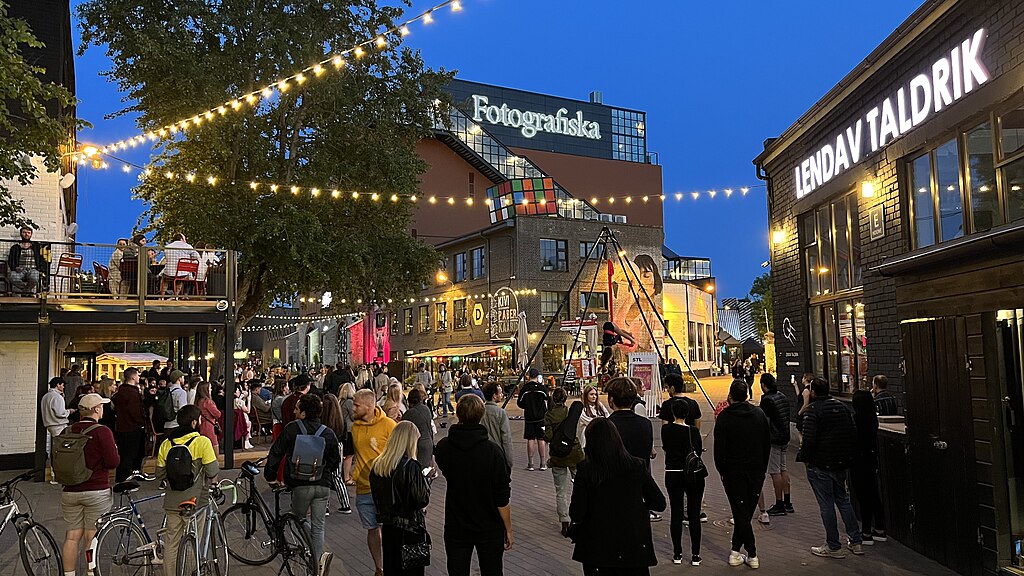
One thing that really surprised me about Tallinn is how much depth it has beyond the fairytale Old Town aesthetic. Yes, it looks medieval and charming on the surface, but Estonia’s history is layered, complicated, and at times very heavy. Visiting a few museums can change how you understand and view the city.
Highlights include:
- Fotografiska Museum for modern photography. Located in the Telliskivi Creative City district, this photography museum showcases rotating exhibitions from international and Estonian artists. The exhibits often focus on social issues, identity, and global culture.
- Seaplane Harbour for maritime history. Housed inside massive historic seaplane hangars built in the early 20th century, the museum showcases ships, submarines, and Estonia’s naval history in an interactive way.
- Soviet Walking Tour for a deeper historical context. This is one of the tours I most strongly recommend. Estonia was occupied by the Soviet Union for decades, and that period still influences the country today. Without a guide, you might walk past certain buildings or monuments without realizing their significance. A Soviet walking tour explains the realities of life under occupation, resistance movements, and how independence was regained in 1991.
- Vabamu Museum of Occupations and Freedom, which is incredibly powerful and educational. It focuses on Estonia’s experiences under both Nazi and Soviet occupations. If you want to truly understand Estonia, this stop is essential, and again, guided tours or audio guides make the experience much more impactful.
Tours really matter in Tallinn, especially when it comes to 20th-century history. The more context you have, the more meaningful your visit becomes.
➡️ Book your Soviet walking tour here!
Trips from Tallinn
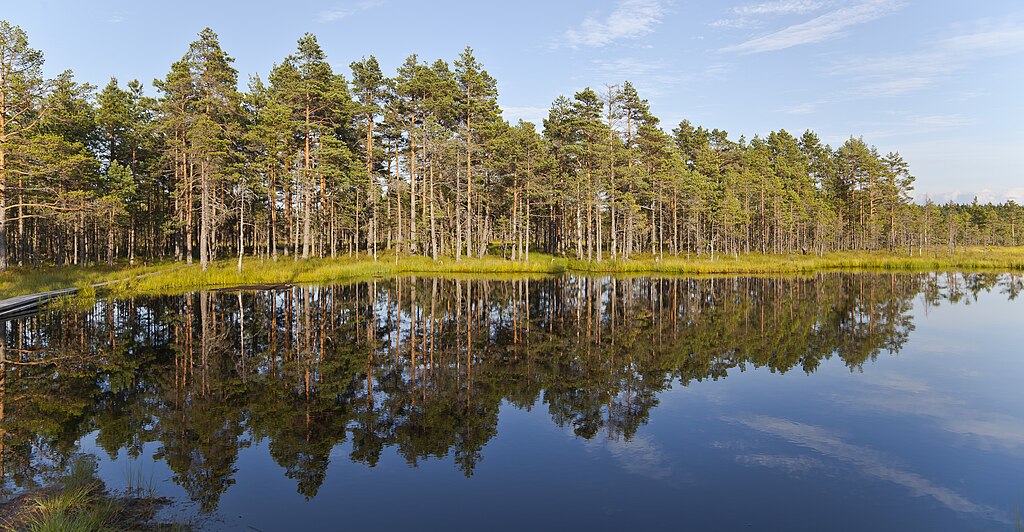
Diego Delso, CC BY-SA 3.0, via Wikimedia Commons
One of the best things about Tallinn is that it’s small enough to explore thoroughly, but also incredibly well-positioned for day trips. If you have extra time, getting outside the city gives you a fuller picture of Estonia’s landscapes and culture.
- Lahemaa National Park (1–1.5 hours) – Estonia’s largest national park that feels worlds away from Old Town’s cobblestones. It’s known for forests, bog landscapes, manor houses, and rugged coastline. Historically, the area was home to Baltic German estates, and you can still visit beautifully preserved manor homes. A guided Lahemaa National Park day trip makes everything seamless. You don’t have to worry about transport logistics, and you get explanations about Estonia’s natural ecosystems and aristocratic history.
- Jagala Waterfall (30 minutes) – The largest natural waterfall in Estonia. In winter, it can partially freeze, creating dramatic icicles that look almost unreal. Tours that combine Jagala with a scenic picnic or short hike make it even better. It’s a quick trip from Tallinn but feels like a nice escape into nature.
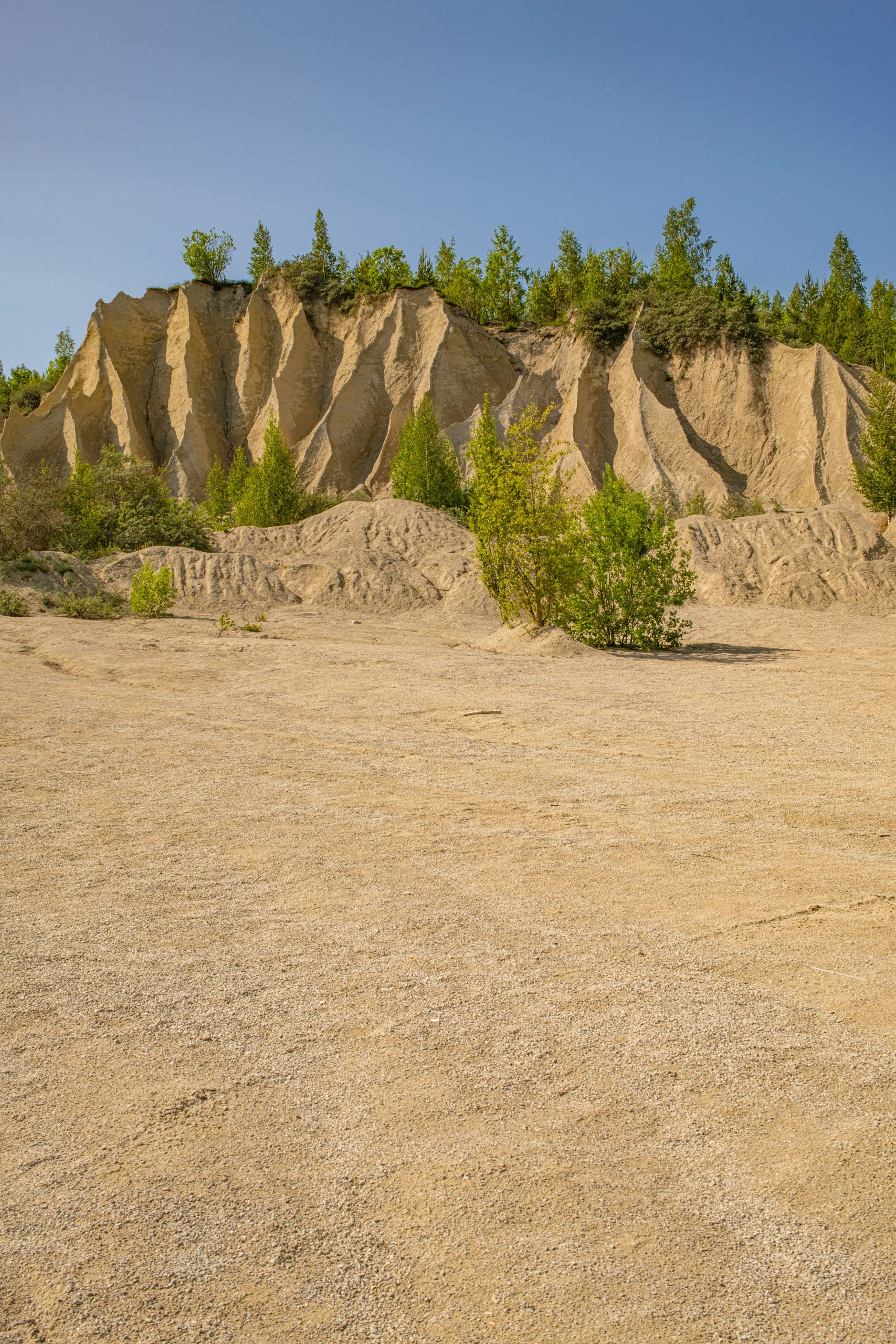
- Rummu Quarry (45 minutes) A former limestone quarry and Soviet-era prison that’s now partially submerged under bright blue water. It feels eerie and beautiful at the same time. Learning the history behind it, especially during a Rummu combo tour or small-group tour, adds so much context.
- Prangli Island (2 hours) If you want something quieter and more traditional, Prangli Island offers a glimpse into local island life. It’s peaceful, windswept, and feels untouched compared to the mainland. A guided Prangli Island tour helps coordinate the ferry and transportation, which makes it much less stressful. It’s a slower-paced experience and perfect if you want to see rural Estonia.
Estonia is easy to navigate, but having someone organize logistics and provide historical insight is super helpful!
➡️ Join an exciting day trip outside Tallinn here!
Seasonal Activities
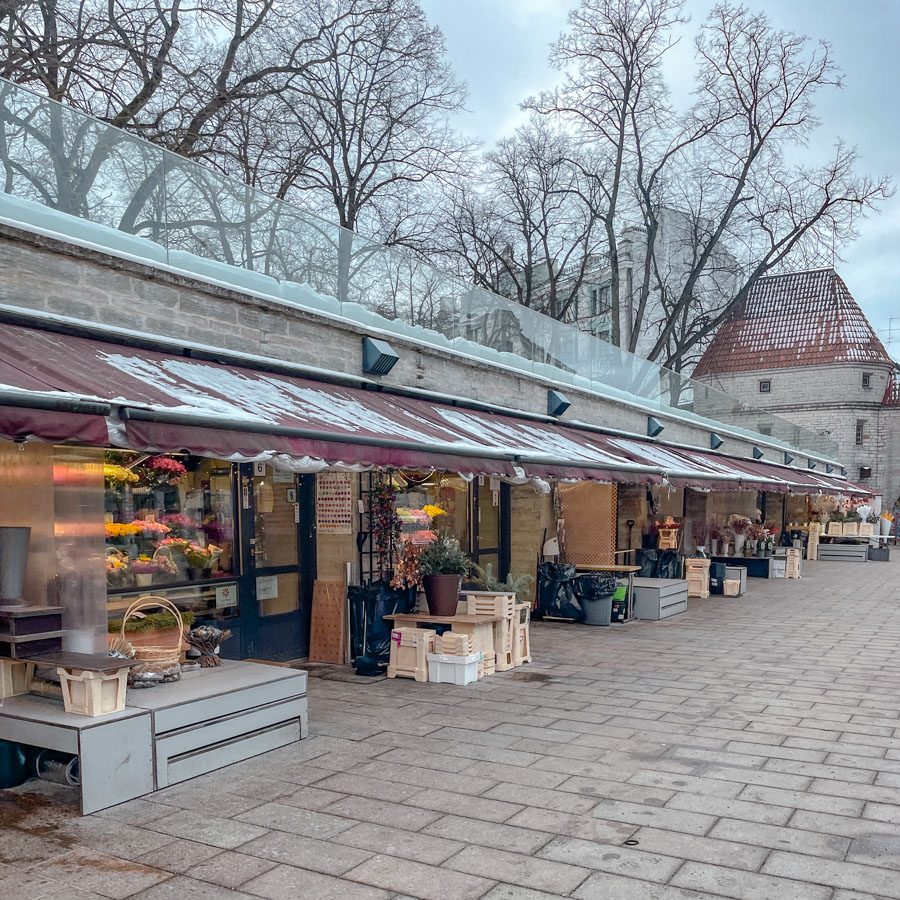
Tallinn gives totally different vibes according to the seasons. In winter, the Christmas markets in Town Hall Square are magical. Wooden stalls, twinkling lights, mulled wine, and snow-covered rooftops create a storybook atmosphere. Visiting in snowy January made the medieval architecture feel even more authentic, like stepping into another era.
Ice skating is also popular during the colder months, and it adds to the cozy, festive vibe. In summer, you get long daylight hours and lively outdoor festivals.
Tips for Visiting Tallinn, Estonia
Tallinn is one of the safest cities I’ve visited in Europe. It felt clean, organized, and very comfortable to navigate. As a female traveler walking around the city on her own a lot of the time, I felt completely safe exploring Old Town, even in the evenings.
The city is compact and extremely walkable. English is widely spoken, which makes communication easy, and prices are generally reasonable compared to many Western European capitals.
Best Time to Visit Tallinn, Estonia
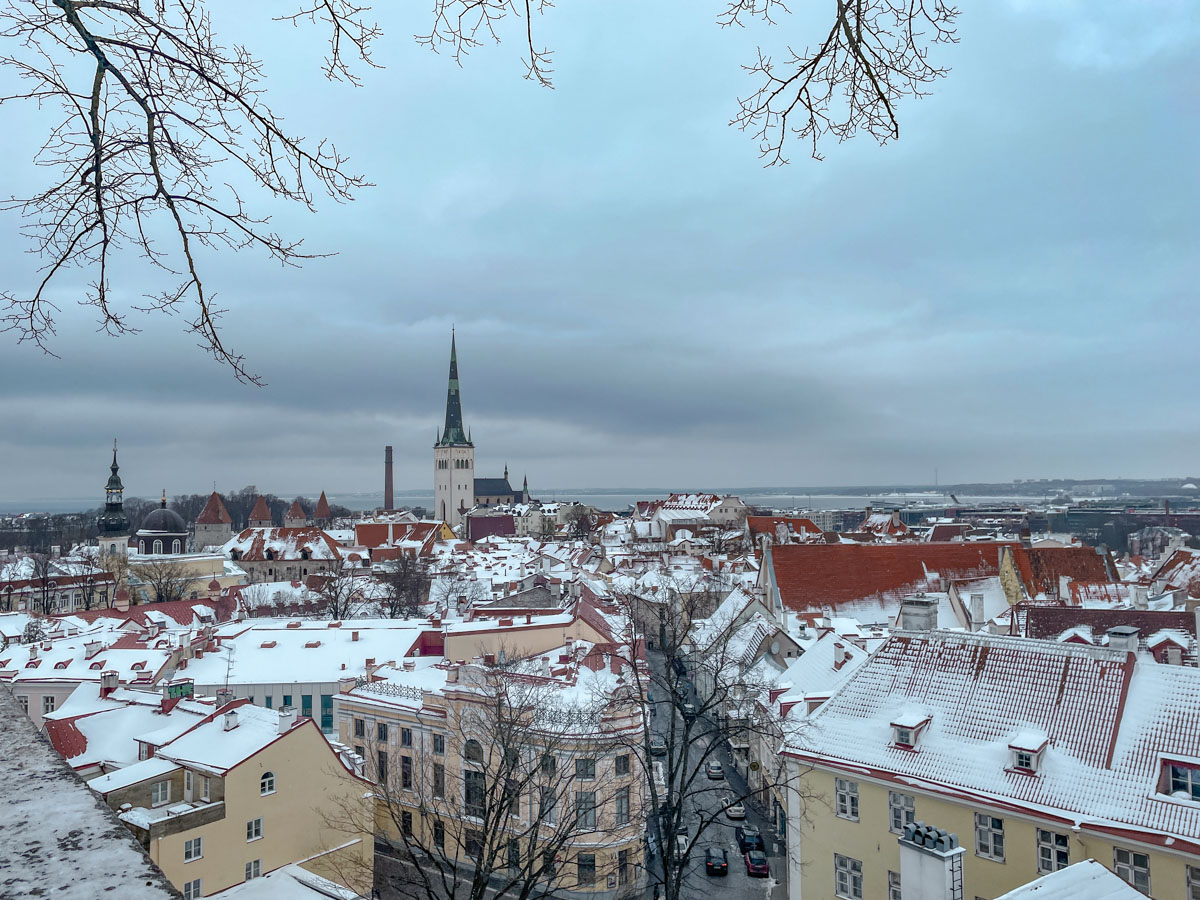
If you love snow, winter is absolutely magical. Fewer crowds and a quiet, cozy atmosphere make it feel even more medieval. Seeing the rooftops dusted in white makes for some beautiful photos!
Summer, on the other hand, offers long daylight hours (the sun sets very late) and more festivals and outdoor events. Spring and fall are also quieter months that are beautiful.
How to Get to & Around Tallinn
Tallinn is easy to reach by plane, ferry (especially from Helsinki), or cruise ship. The ferry option is particularly popular and makes for a fun Baltic Sea crossing.
Once you’re in the city, walking is hands-down the best way to explore, especially in Old Town. The streets are compact and close together.
Public transportation is reliable if you’re heading farther out, but for most visitors, your own two feet are all you need, and maybe a rideshare app like Bolt if you want to get to neighborhoods outside of the city center.
Where to Stay in Tallinn, Estonia
Tallinn has fantastic accommodation options across every budget, and because the city is so compact, location really makes a difference. I personally recommend staying in or within walking distance of Old Town. It makes everything incredibly easy and allows you to wander without constantly thinking about transport.
- Budget: Citybox Tallinn City Center – A great no-frills option if you’re looking for something clean, modern, and affordable. The rooms are simple but well designed, with comfortable beds and spotless bathrooms. It’s not overly luxurious, but it feels fresh and efficient. It’s just a short walk to Old Town! Book your stay.
- Mid-Range: Nunne Boutique Hotel – Cozy and charming, and the location is honestly hard to beat (it’s right inside Old Town). The rooms are clean, thoughtfully decorated, and feel intimate rather than corporate. Book your stay.
- Mid-Luxury: Hilton Tallinn Park – A more polished, upscale stay while still being within walking distance of the city center (about a 15-minute walk). The rooms are spacious, modern, and very comfortable, with large windows offering city views. The beds are plush, the bathrooms are sleek, and overall it feels elevated. Book your stay.
- Luxury: The Burman Hotel – Elegant, refined, and ideal if you want a more boutique luxury experience. The interiors feel thoughtfully curated, and the attention to detail really stands out. Rooms are beautifully styled, and service tends to feel more personalized. If you’re celebrating something special or simply want a more elevated stay in Tallinn, this is where I’d recommend splurging. Book your stay.
Things to Do in Tallinn: FAQs
Is Tallinn worth visiting?
Absolutely. Tallinn is one of Europe’s most underrated capitals. It combines a UNESCO-listed medieval Old Town with modern creativity, layered history, and easy access to nature. It’s a compact, walkable city.
What is Tallinn famous for?
Tallinn is most famous for its exceptionally well-preserved medieval Old Town, defensive towers, and cobblestone streets. It’s also known for its complex history under Danish, Swedish, German, and Soviet rule.
How many days is enough in Tallinn?
Two to three days is perfect for exploring Old Town, visiting a few museums, and enjoying local food. If you want to add day trips to places like Lahemaa or Rummu, consider staying longer.
Conclusion
Tallinn is a seriously underrated city in Europe, full of character, charm, and history. It’s safe, compact, and full of medieval beauty that draws you in. For the best experience and to learn more about the history behind this 13th-century city, consider a guided tour to slow down your travels and enjoy the city from another perspective. Happy travels!

About the Author
Sasha is the founder of Little Happy Travels, a blog with tips and inspiration for combining work + travel and living the digital nomad lifestyle. As a business coach and remote worker, she’s spent the last few years traveling the world while helping others do the same. Follow for guides, tips, and personal stories on working from anywhere!