
Is Tallinn worth visiting? It might surprise you more than you expect.
The city looks incredible in photos, but is Tallinn really worth visiting, or is it too small and too quiet? Spoiler alert, the city is definitely worth visiting in my opinion, but there are a few things to keep in mind before you visit, which will determine if this destination is right for you.
Tallinn blends medieval beauty, layered history, and modern creativity. On one hand, you have centuries-old towers and cobblestone streets. On the other hand, you have a forward-thinking digital society and creative neighborhoods all around. Because of that contrast, Tallinn never felt one-dimensional.
In this guide, I’m going to cover what makes Tallinn worth visiting, what you should watch out for, and how to make the most of your time if you do decide to visit this beautiful European city. Let’s go!
Short on Time?
Don’t miss these top experiences in Tallinn:
- 2-Hour Guided Walking Tour of Tallinn – See all the main sights of Old Town in just a couple of hours.
- Guided Old Town Historical Walking Tour – Explore medieval streets while uncovering Tallinn’s fascinating history.
- Estonian Food Tour – Sample traditional dishes and street food with a local guide.
Why Visit Tallinn?
Tallinn is compact, walkable, and makes for some incredible photos. However, it’s more than just another “pretty European city.” It’s historically deep, culturally rich, and refreshingly manageable as a tourist compared to larger European capitals.
It feels like a hidden gem that your average American tourist doesn’t know about. Although the city has grown in popularity over recent years, and you can see quite a few tourists walking around Old Town, even in the snowy winter months, the city doesn’t feel overly commercialized. Instead, it feels lived-in.
A Well-Preserved Medieval Old Town
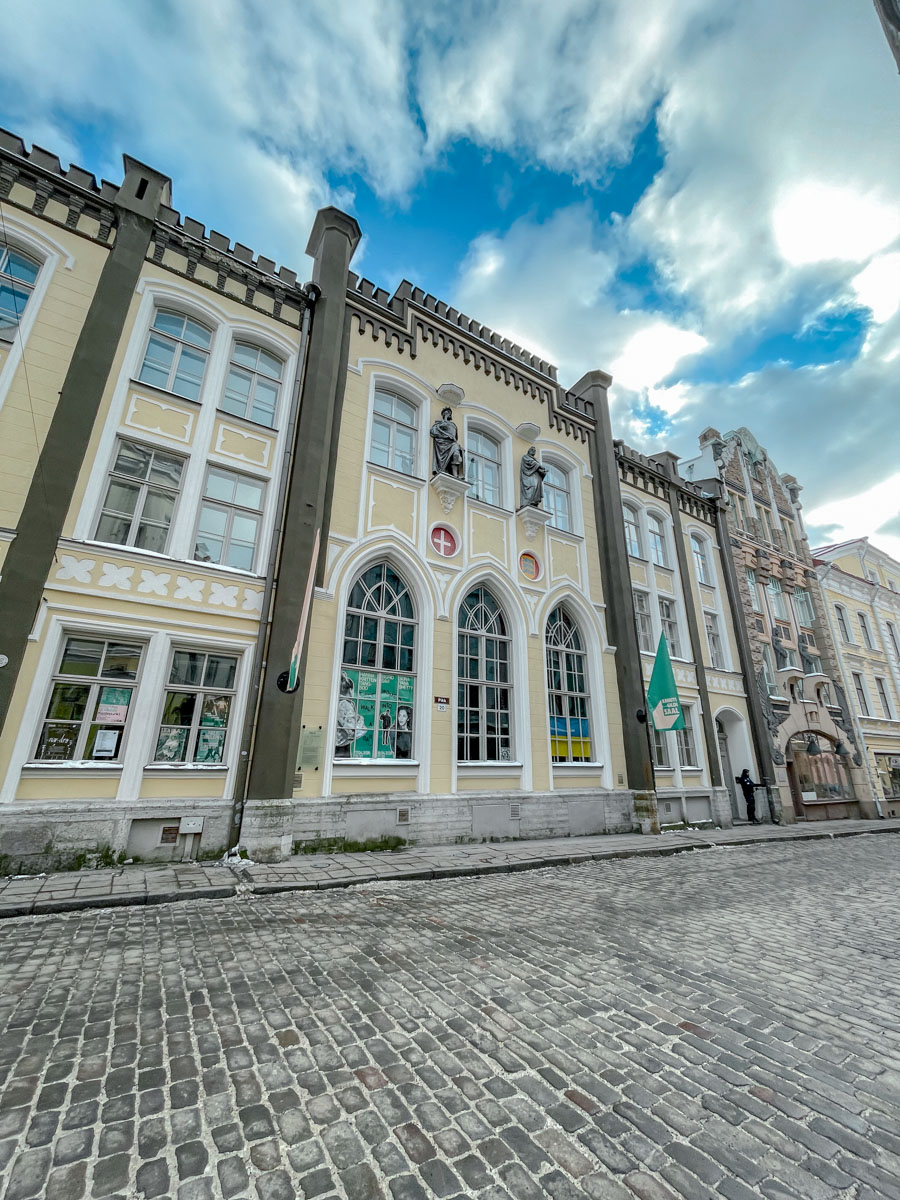
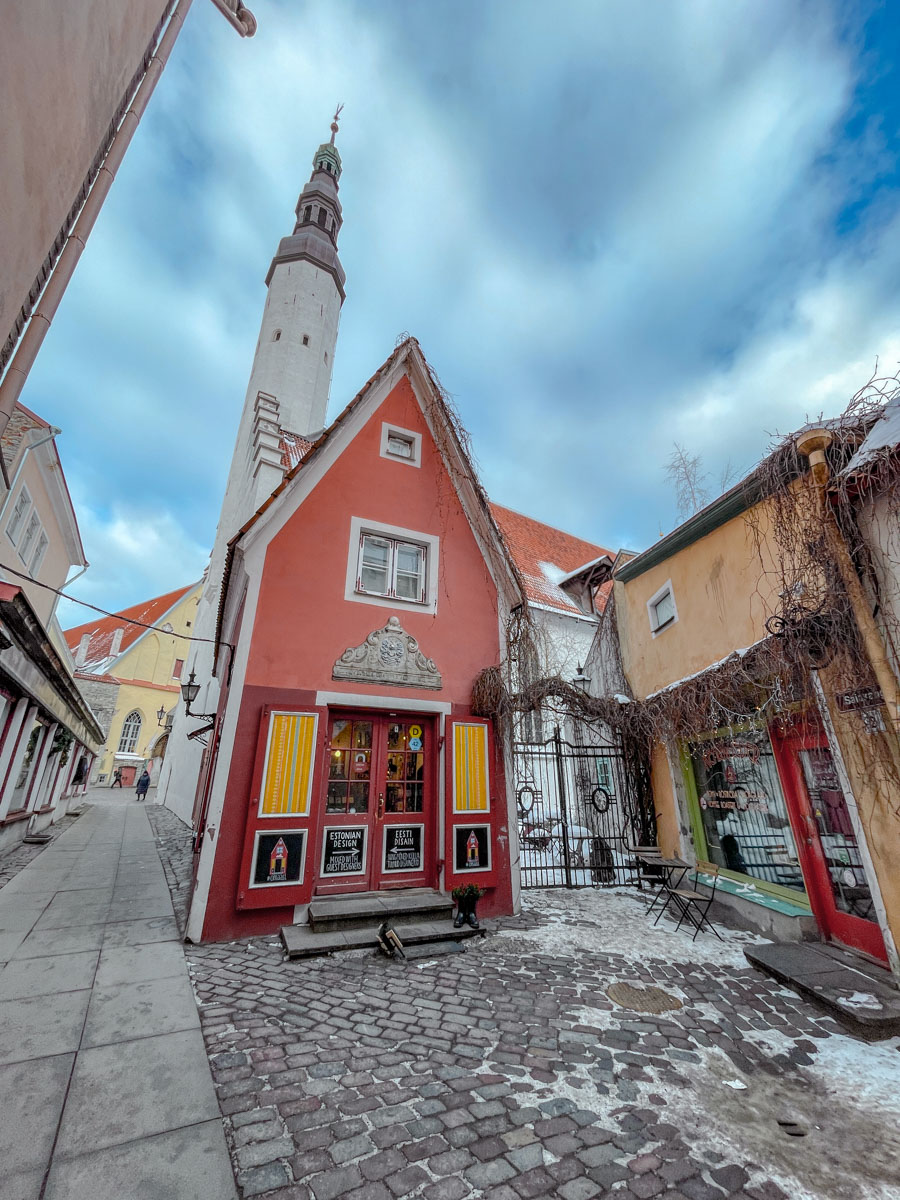
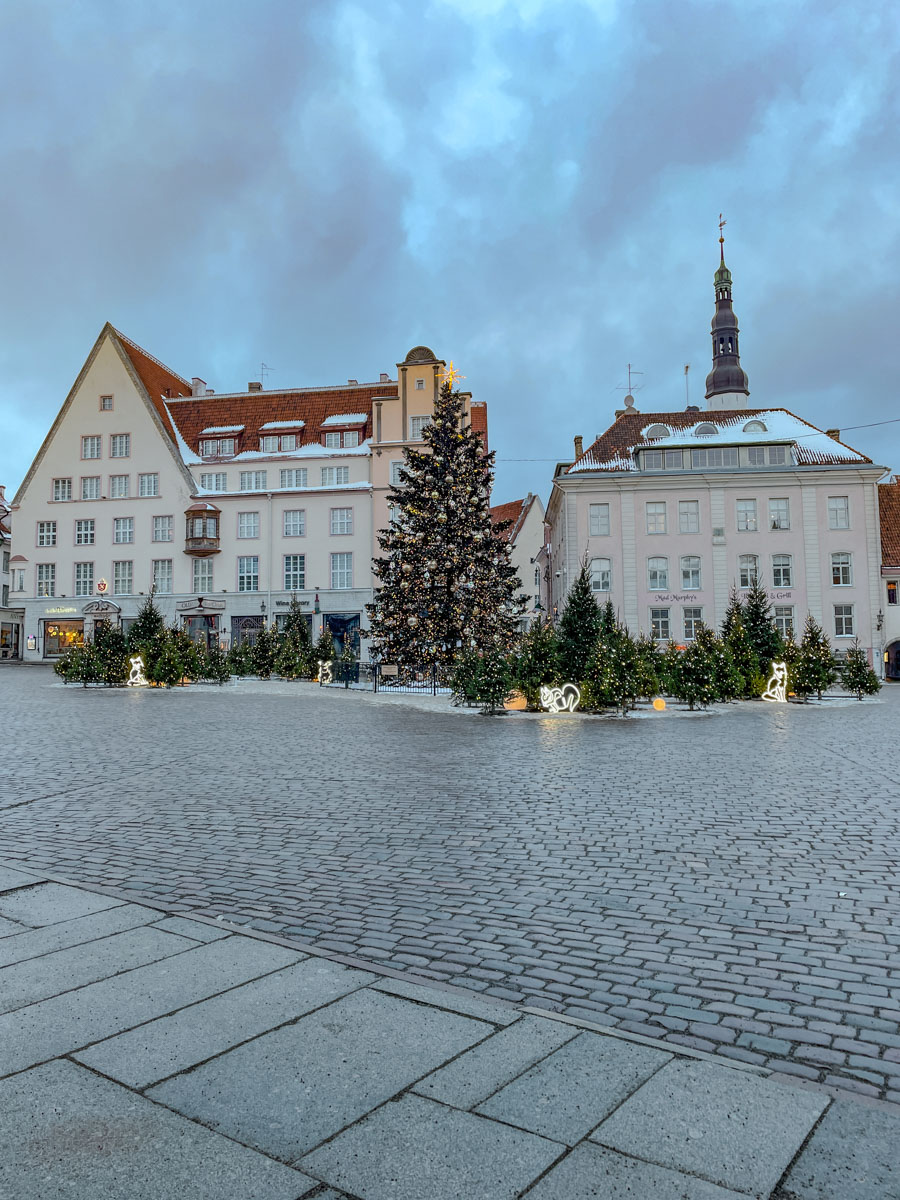
Tallinn’s UNESCO-listed Old Town is one of the best-preserved medieval centers in Europe. The best way to experience it is by walking through Viru Gate. You’ll pass by cobblestone streets, pastel merchant houses, defensive towers, and Gothic church spires. It looks like something out of a medieval movie!
I loved wandering without a strict plan because every corner revealed iron lanterns, hidden courtyards, and centuries-old stone walls. There are also some fantastic places to eat in Old Town that are medieval themed, like the III Drakon pub, where you can eat the way people did in the 13th century (presumably).
The other nice thing about the Old Town and Tallinn in general is that it’s very walkable, unlike many other European capitals. As a result, exploring feels relaxed and leisurely, and you can take your time to take in all of the details, relax at a cozy pub or cafe, and learn some history.
Honestly, one of the best ways to experience the old town is with a guided tour. The architecture is beautiful on its own, but it’s important to understand how Estonia moved through centuries of foreign occupation before regaining independence.
A few great options for guided tours through the city include:
- Guided Old Town Tallinn Historical Walking Tour – In just a few hours, you visit major Old Town landmarks while learning about the Hanseatic trade era, Soviet occupation, and Estonia’s independence.
- 2-Hour Guided Walking Tour of Tallinn – If you’re short on time, this two-hour tour is great. You’ll see highlights like Town Hall Square, Alexander Nevsky Cathedral, St. Olaf’s Church, and Toompea Castle. It’s a great tour for first-time visitors, just a little bit shorter!
- Optional Private Tours exist as well. I saw a lot of tourists doing these kinds of tours, and if you have the budget for it, it definitely looks like it’s worth the money! You have the full attention of the tour guide, and they can answer specific questions you have about the city’s historical past.
➡️ Click here to book your tour!
Rich History and Culture
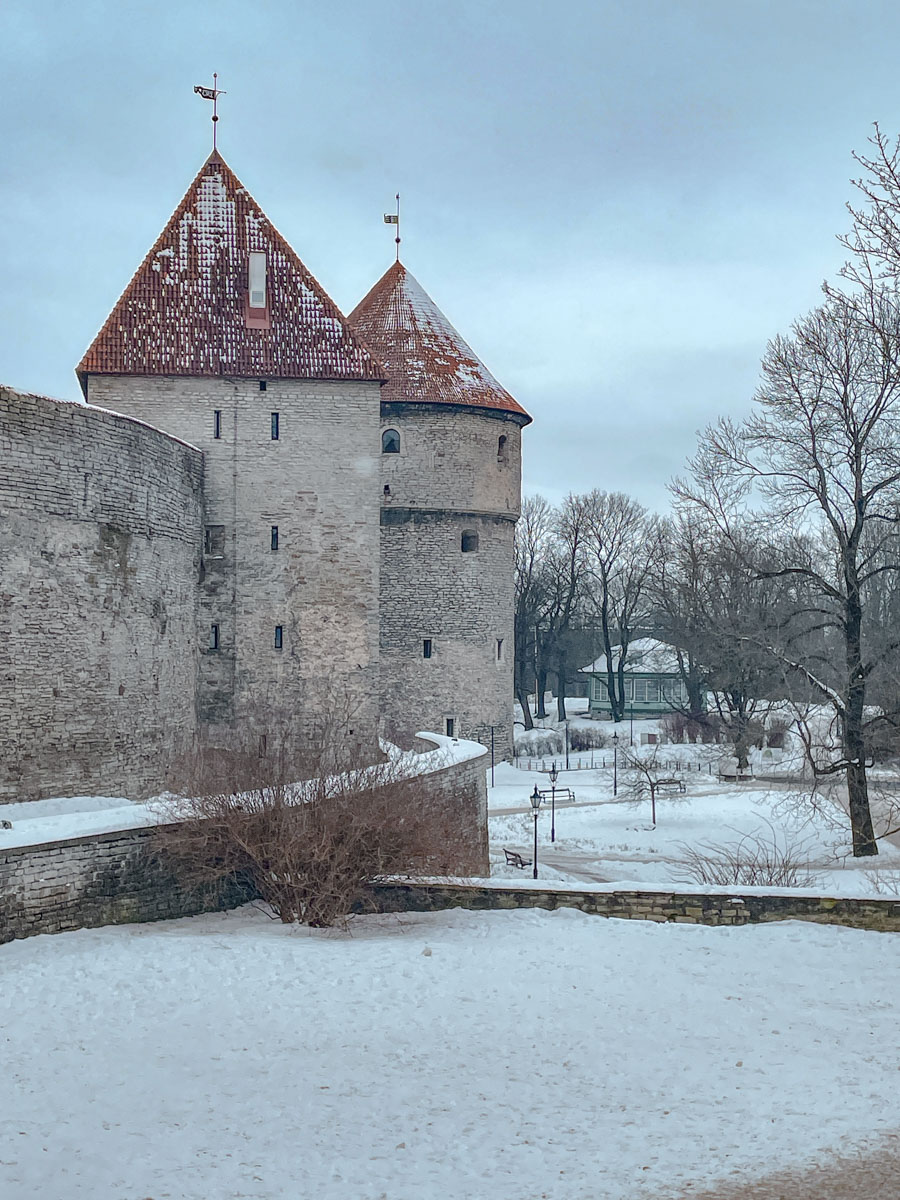
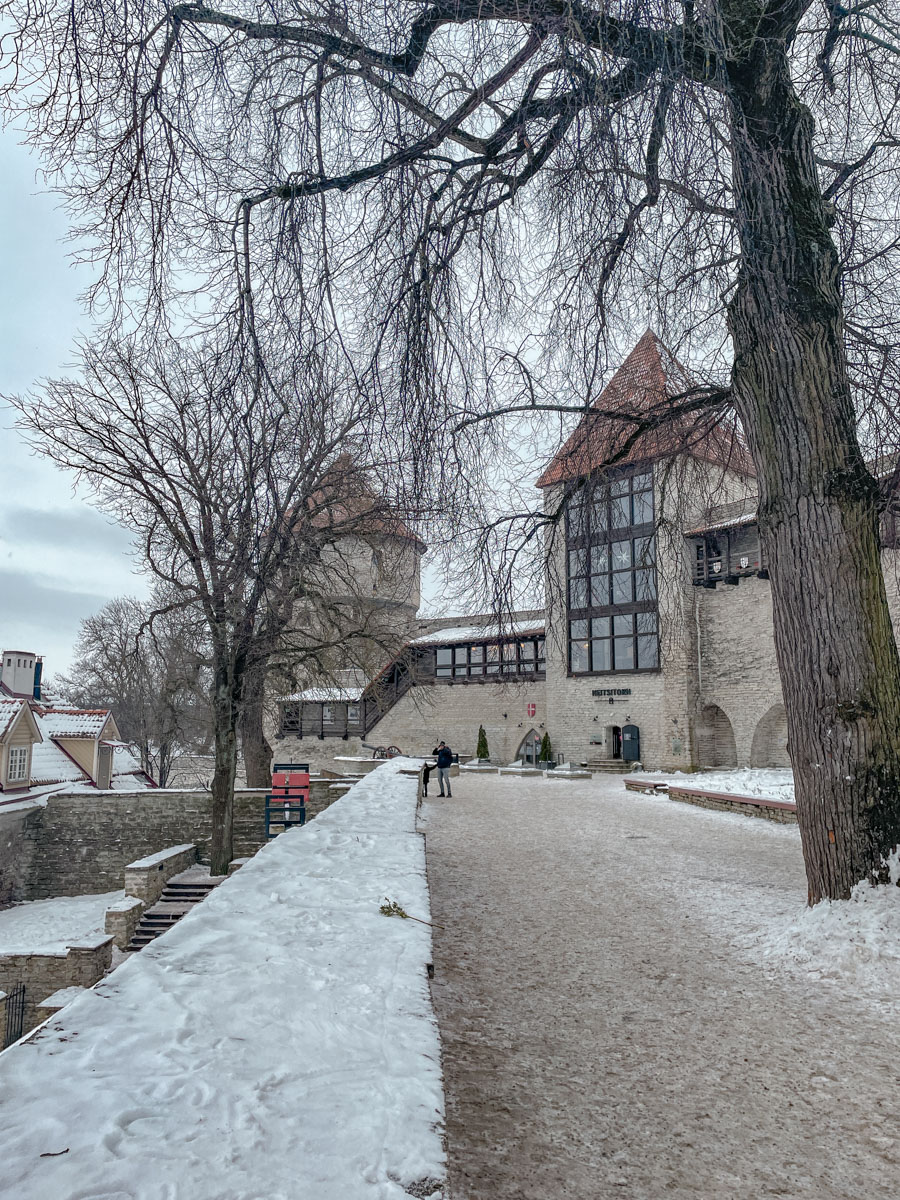
Tallinn’s history is layered and complex. Over the centuries, it was ruled by Danish kings, the Teutonic Order, Swedish monarchs, the Russian Empire, and later the Soviet Union. Estonia only regained independence in 1991.
Guided tours made a huge difference in understanding this culture. Without context, you simply admire beautiful architecture, but with a guide, the city becomes more powerful and personal.
If you’re interested in learning more about Estonia’s history, I recommend booking a Soviet walking tour, which explains the realities of life under occupation, resistance movements, and how independence was regained in 1991. This tour explains not just dates and historical figures, but goes into real human experiences.
The amount of culture and history in Tallinn is just insane, and you can learn so much in just one visit.
➡️ Book your Soviet walking tour here!
Lots of Things to Do
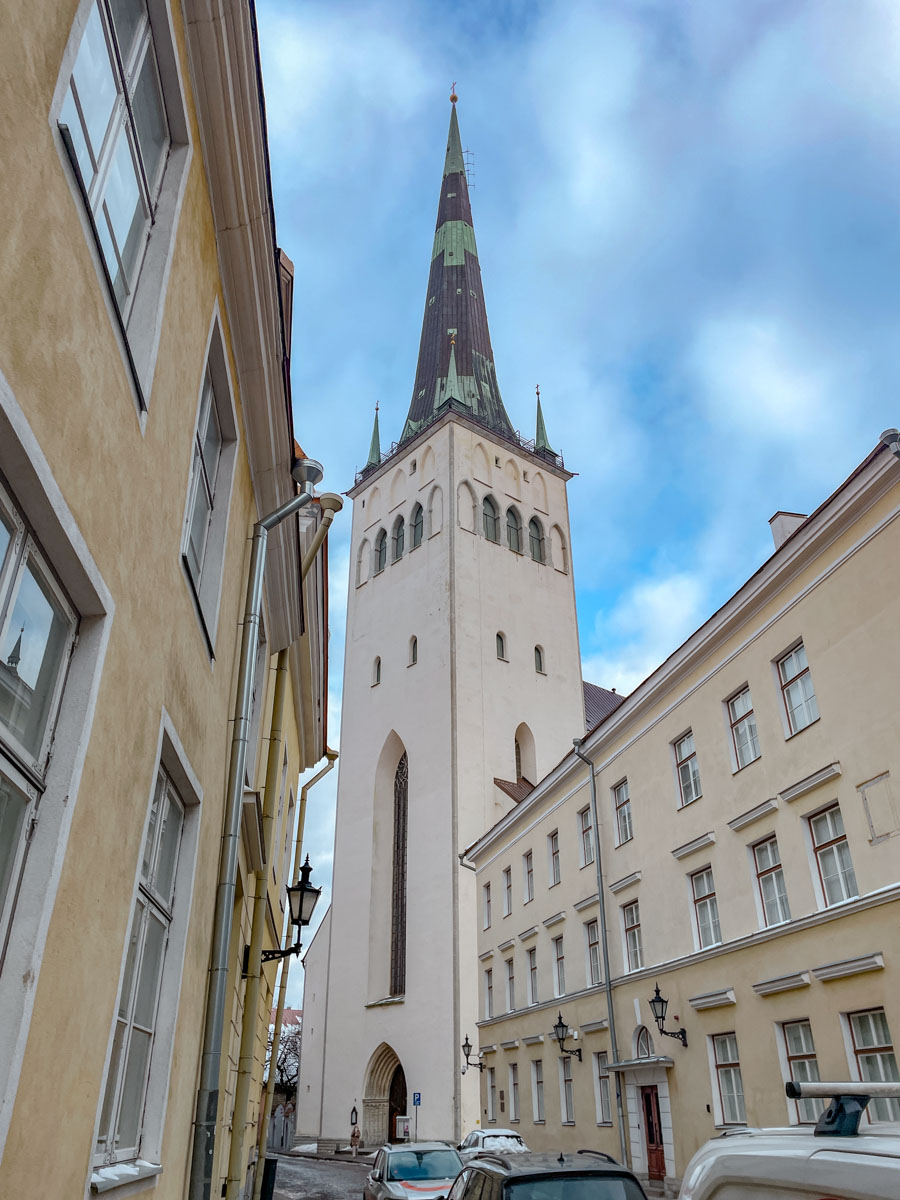
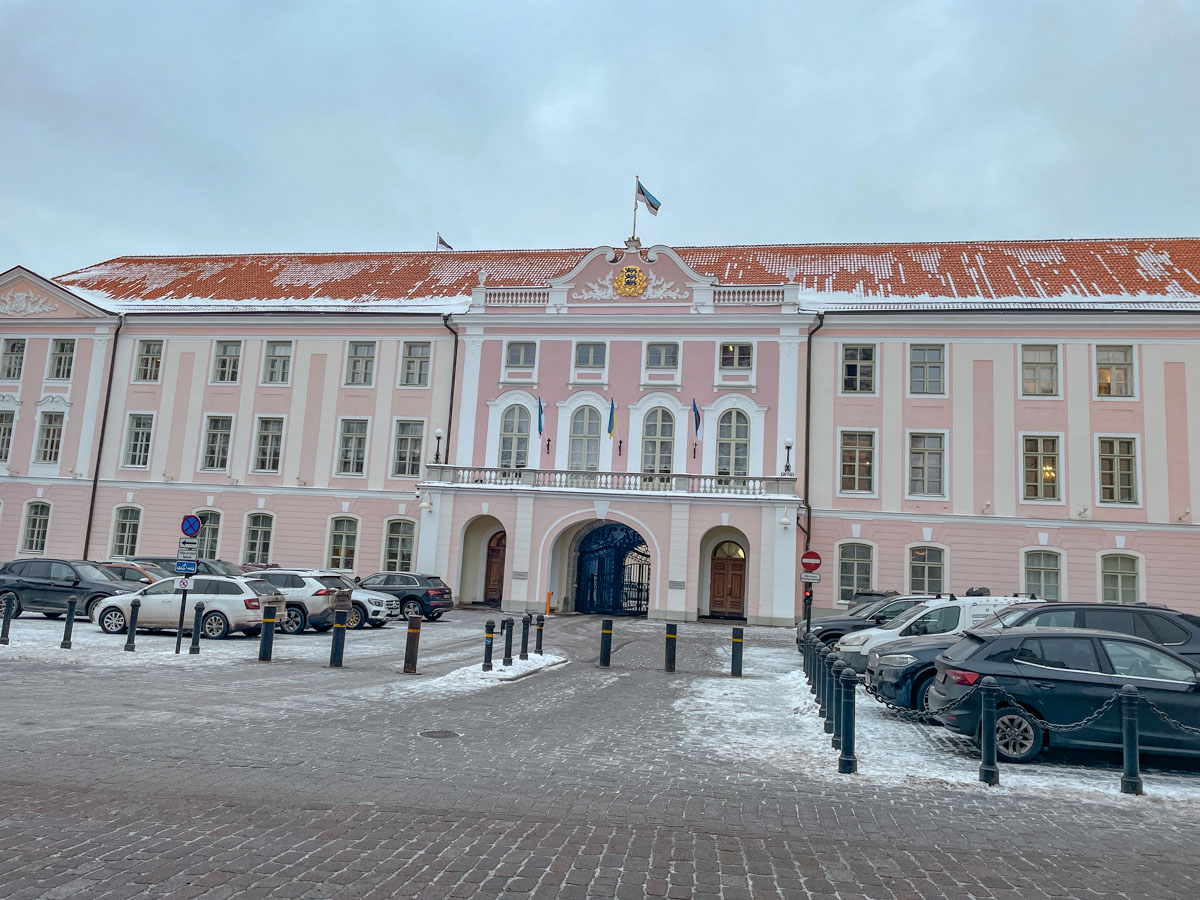
Despite its small size, I never felt bored in Tallinn. You can climb St. Olaf’s Church for sweeping views, explore Toompea Castle, or walk through the Bastion Tunnels beneath the city. There are also modern cafes, shops, and spas throughout the city for more variety.
Some of the best things to do in Tallinn include browsing artisan shops and sipping coffee at cozy cafés (the best cafes are Reval Coffee and Faehlmann Kohvik!). Because everything is so close, you can pack a lot into a single day without feeling exhausted.
Vibrant Creative Scene
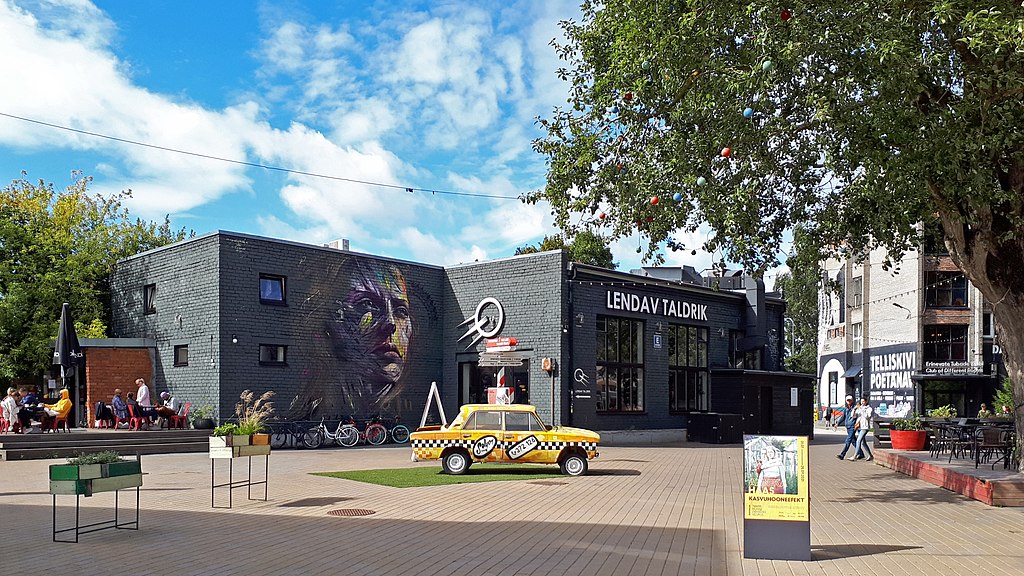
Beyond the medieval walls, Tallinn is a modern and creative city. Telliskivi Creative City is the main artist hub, home to unique street art, independent boutiques, design shops, and trendy cafés. It contrasts beautifully with the Old Town’s Gothic charm.
Kalamaja is another great stop, with wooden houses that show how locals live today. The area is authentic and residential, and definitely worth checking out if you want a break from all of the history.
Culinary Experiences
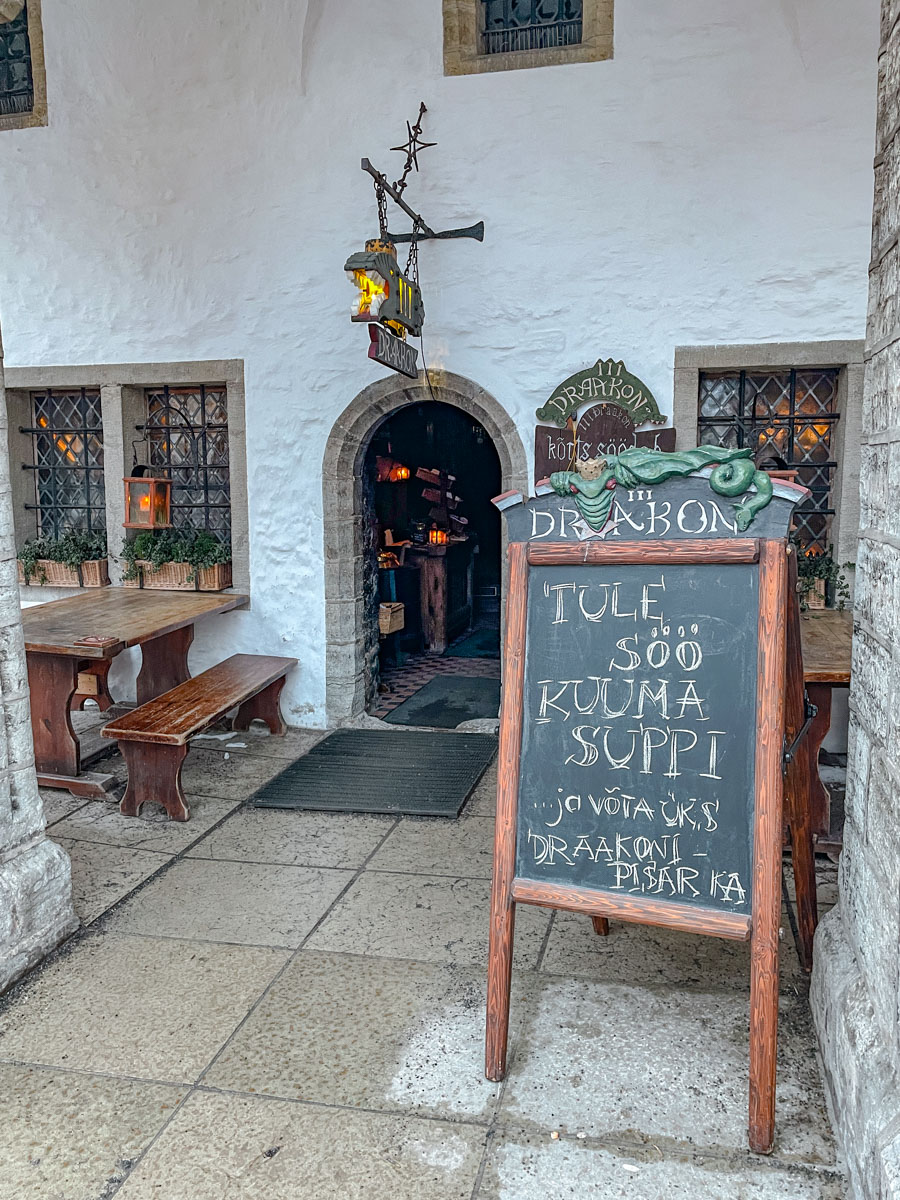
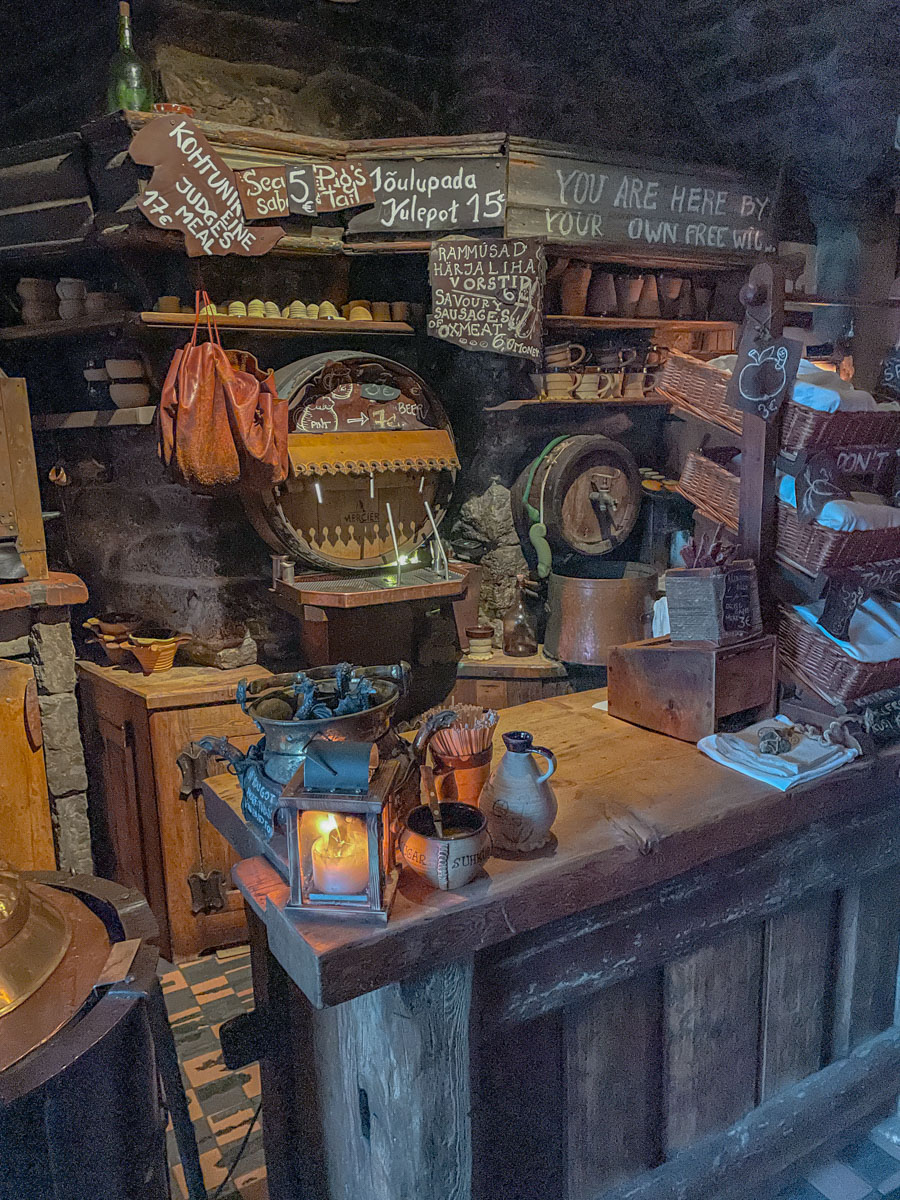
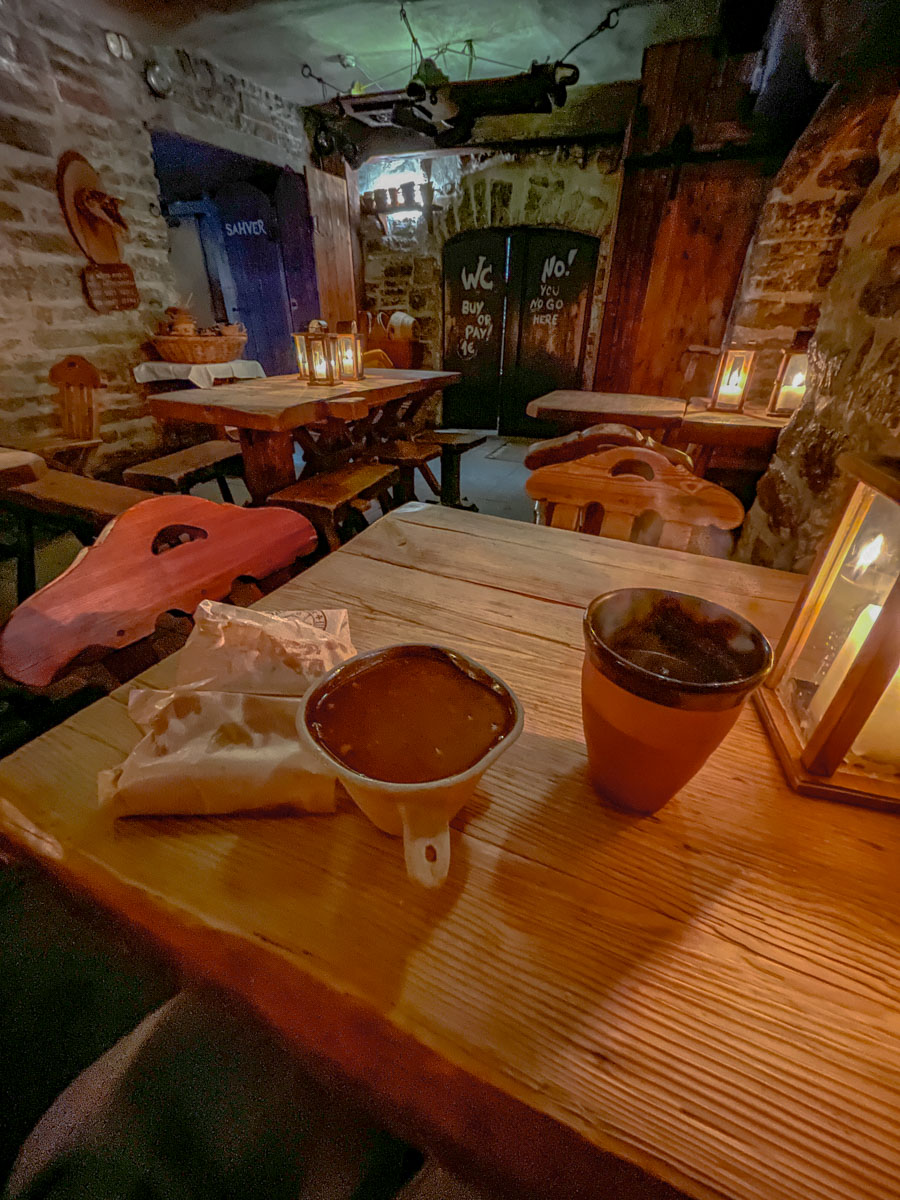
Tallinn’s food scene genuinely impressed me. Traditional Estonian dishes feel hearty and comforting, especially in colder months. My absolute favorite spot to eat in Tallinn every single time is the III Draakon in Town Hall Square (still dreaming about the elk soup and meat pies!).
There are also cozy pubs all around the city, like at Vana Villiemi Pubi, with super affordable prices (I had a tomahawk pork chop steak with potatoes + salad for only 14 euros!!)
Many restaurants focus on seasonal ingredients, local sourcing, and creative presentation. Food tours and bar crawls are also fantastic ways to experience local flavors:
- Estonian Food Tour – This small-group food tour is one of the best ways to experience Tallinn beyond just sightseeing. You’ll follow a friendly local guide to several stops, which can include a medieval tavern, street food stalls, cafés, a market, and even a chocolate museum. Along the way, you’ll taste authentic Estonian dishes while learning about local food traditions. It’s relaxed, interactive, and a really fun way to understand the culture.
- Bar Crawl – If you want to experience Tallinn’s nightlife without planning it yourself, this bar crawl makes it easy. You’ll visit five bars and one club, enjoy complimentary shots, and receive drink discounts throughout the night. The group setting makes it simple to meet other travelers in a fun, low-pressure environment. It’s social, lively, and a great way to see a different side of Old Town after dark.
Long story short, you do not need a huge budget to eat well here! Tallinn is a great stop for foodies and travelers on a budget.
➡️ Click here to book your Estonian food tour!
Scenic Views and Nature
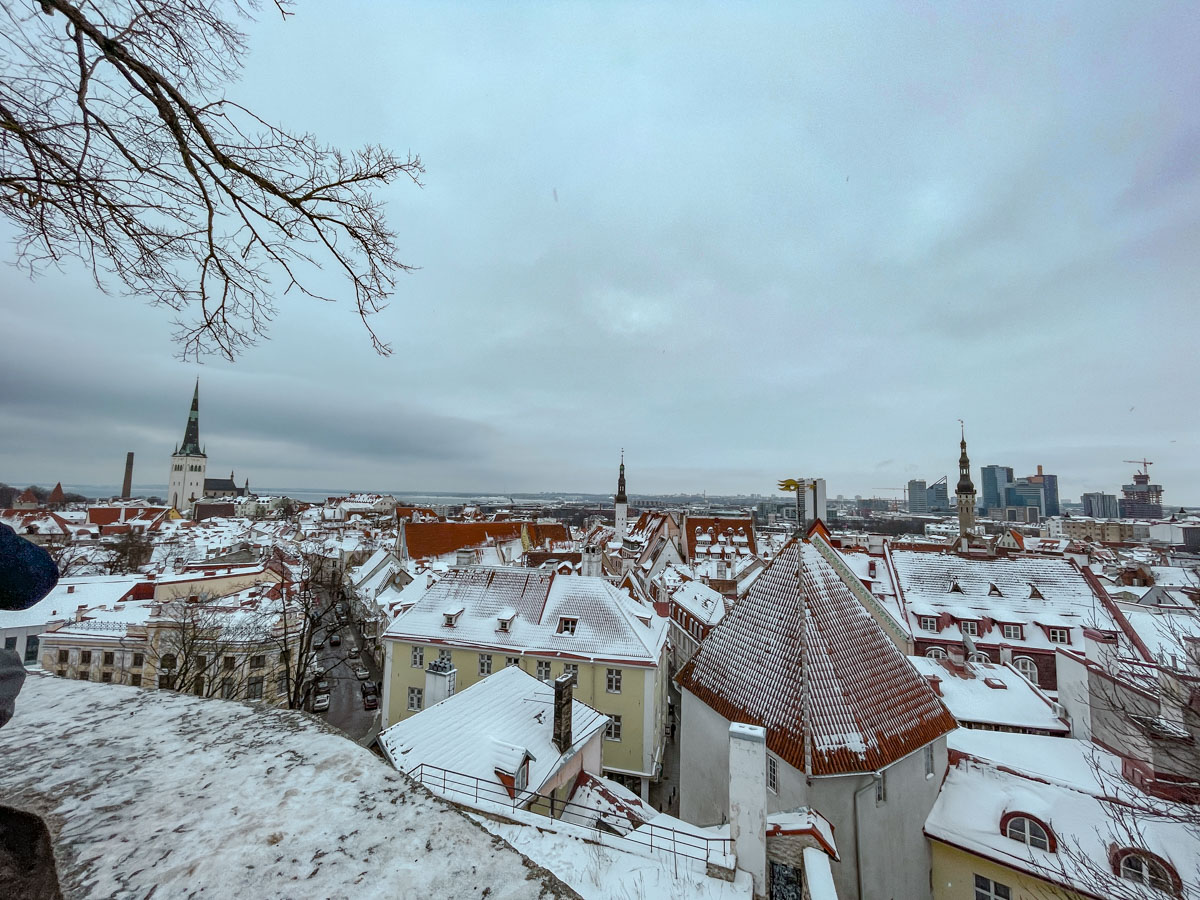
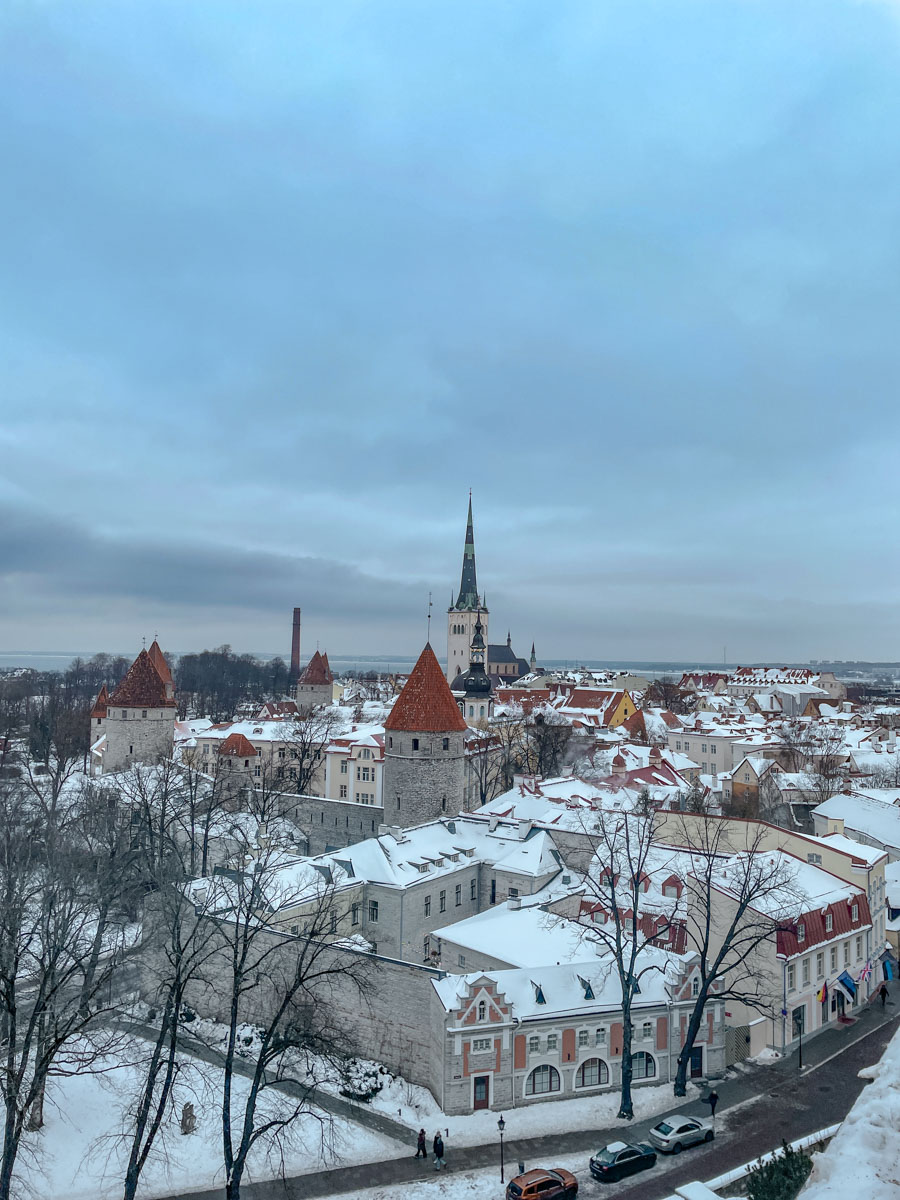
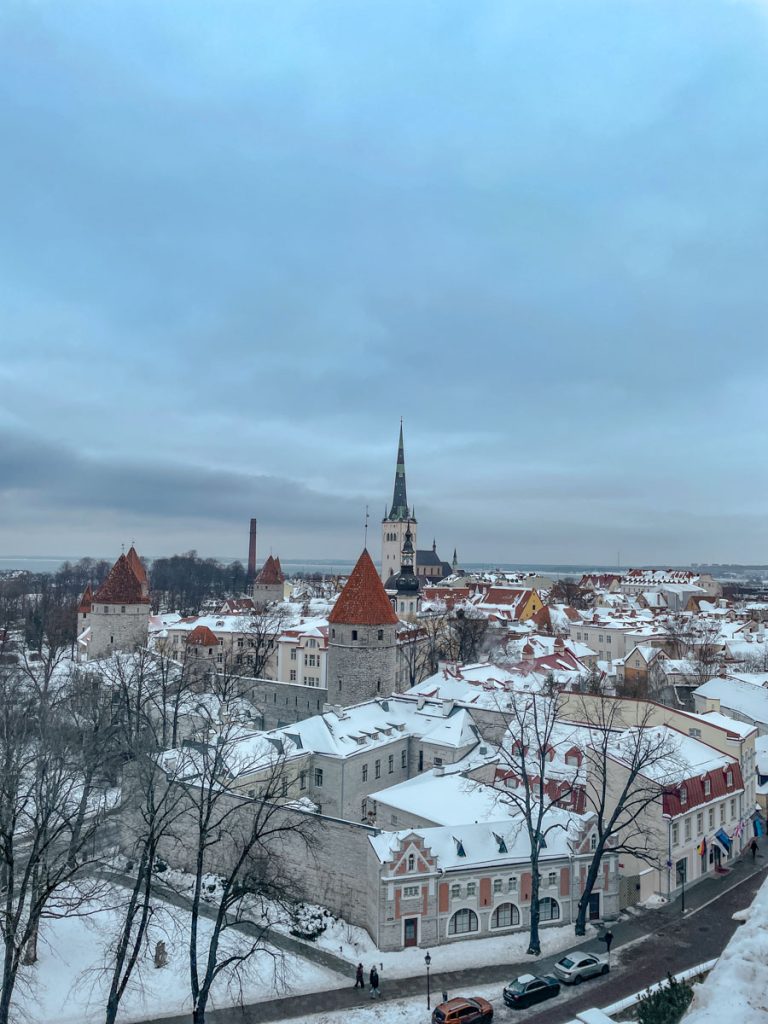
Tallinn is extremely picturesque and scenic. Viewpoints like Kohtuotsa and Patkuli offer Instagrammable panoramas of red rooftops and church spires that stretch toward the Baltic Sea.
Additionally, green spaces like Kadriorg Park provide a peaceful escape from cobblestone streets and are also very historical. The baroque Kadriorg Palace makes the park feel elegant and serene.
Even in winter, the snow-covered rooftops and frosted trees are very scenic and add to the city’s charm. The views are even more incredible in the summertime, with long daylight hours making the city glow late into the evening.
Nice Day Trip from Surrounding Cities
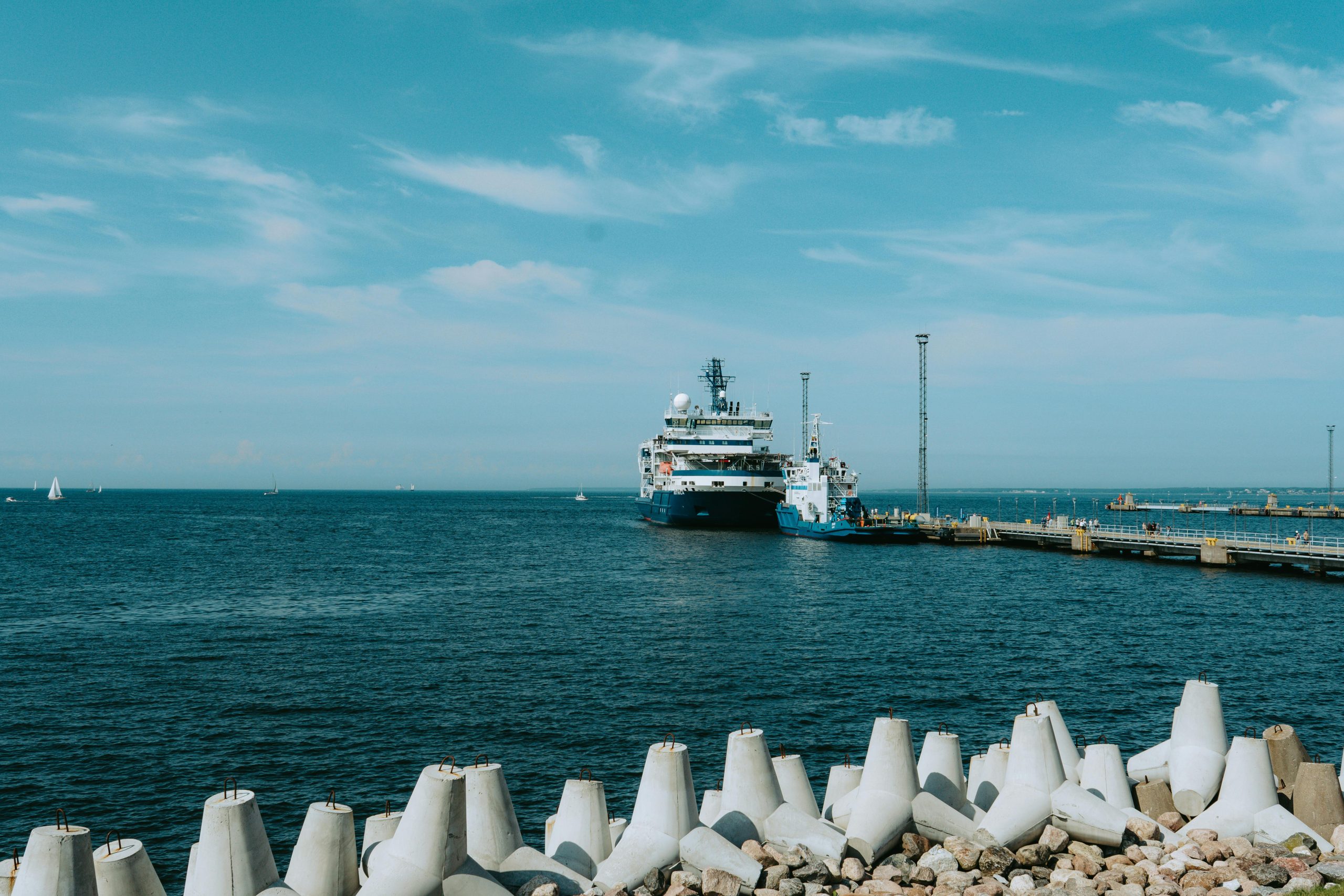
Tallinn is an easy two-hour ferry ride from Helsinki. In fact, many travelers visit as a day trip from Finland. While I do think that the city deserves more time, it absolutely works for a short visit.
It also connects easily to Riga and other Baltic destinations by bus or car (most bus lines will take you from Tallinn to Riga for around 20 to 30 euros!). Tallinn fits perfectly into a larger Baltic itinerary, and you can easily spend one or two days in Tallinn and get a good feel for the city.
Easy to Get Around
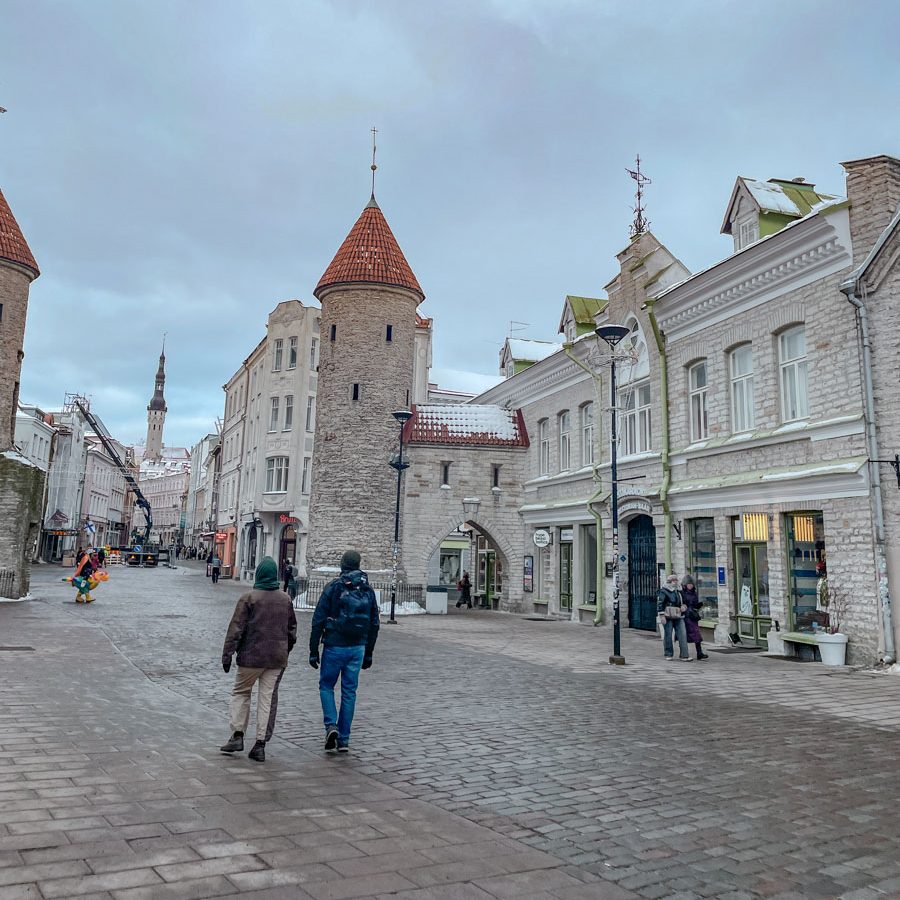
Getting around Tallinn is super easy. I walked everywhere and didn’t take a rideshare once. The streets are compact, clearly marked, and easy to navigate.
Public transport is another reliable option for reaching neighborhoods like Kadriorg or the TV Tower. There are also rideshare apps like Bolt, which are safe, affordable, and easy to use. The city is manageable to visit, and you don’t have to spend a lot of time commuting from one spot to another.
Things That Might Make Tallinn Less Appealing
Although I loved Tallinn, it may not suit every traveler. It’s not a very busy city, and honestly, that’s part of its charm. The city invites you to slow down instead of rushing between major landmarks, but if you prefer bigger capitals with nonstop nightlife and endless neighborhoods to explore, this might not be the destination for you.
It truly depends on your travel style and expectations.
Small Size of the City
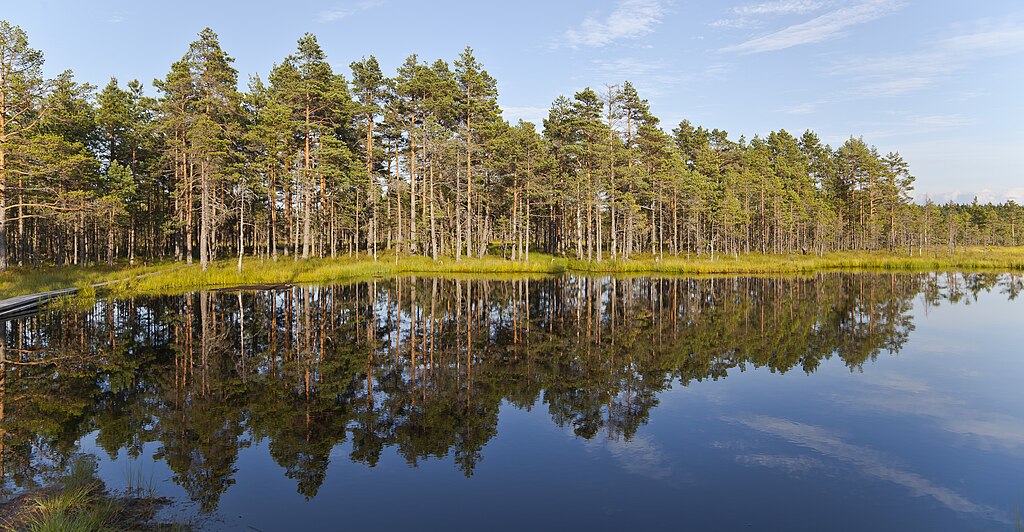
Diego Delso, CC BY-SA 3.0, via Wikimedia Commons
Tallinn is small compared to other European capitals. You can walk across Old Town in about 15 minutes. Most major highlights sit within a compact, easily navigable area. For some travelers, that may feel limiting after a couple of days, and you might be like, “okay, what else can I see here?”
I personally appreciated the slower pace because you can spend more time enjoying viewpoints, cafés, and museums. But if you’re looking for a packed itinerary for a full week, Tallinn alone may feel quiet.
Consider adding day trips to Lahemaa National Park or nearby coastal areas to make things more interesting, or adding guided tours like this one into your stay that go deep into the history of each landmark, so you can really appreciate it and take your time.
➡️ Book your Lahemaa National Park day trip here!
Tourist Crowds in Peak Season
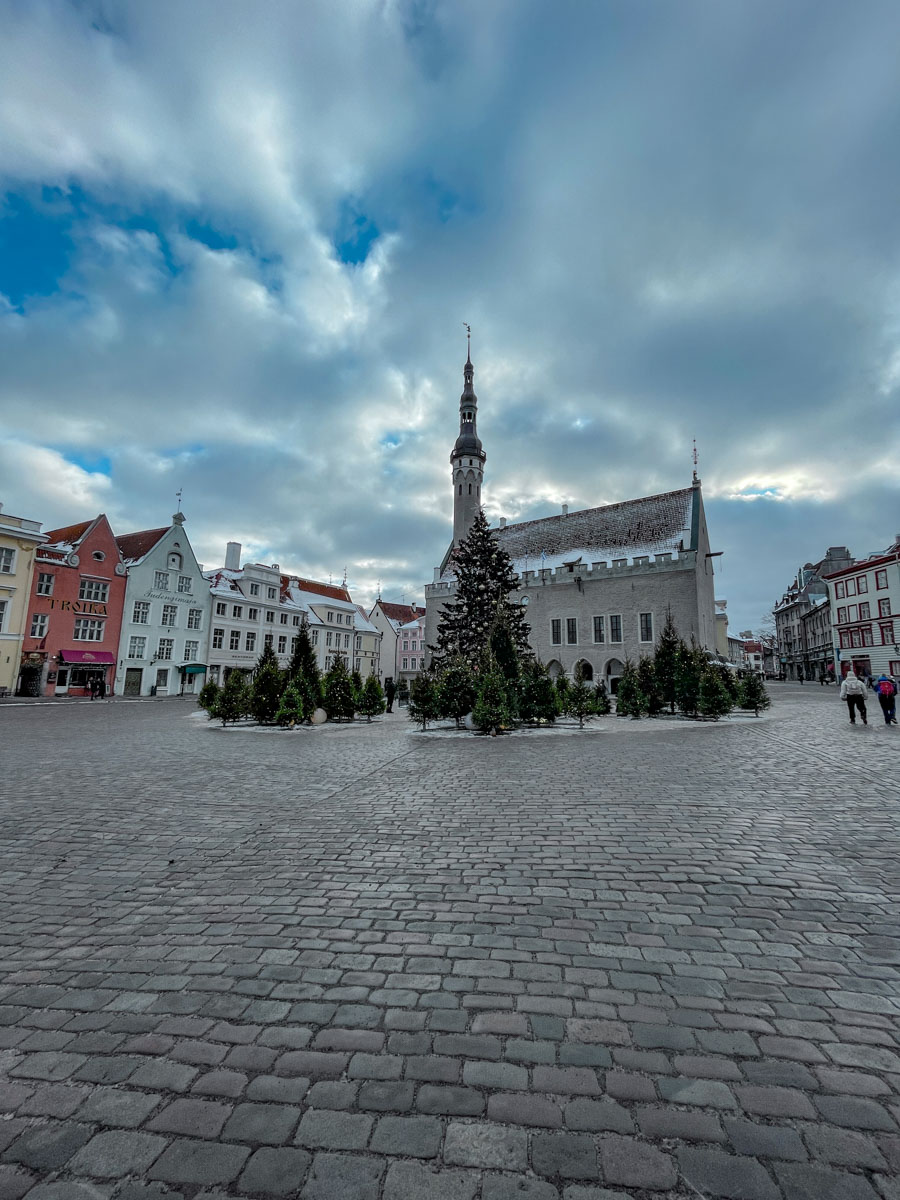
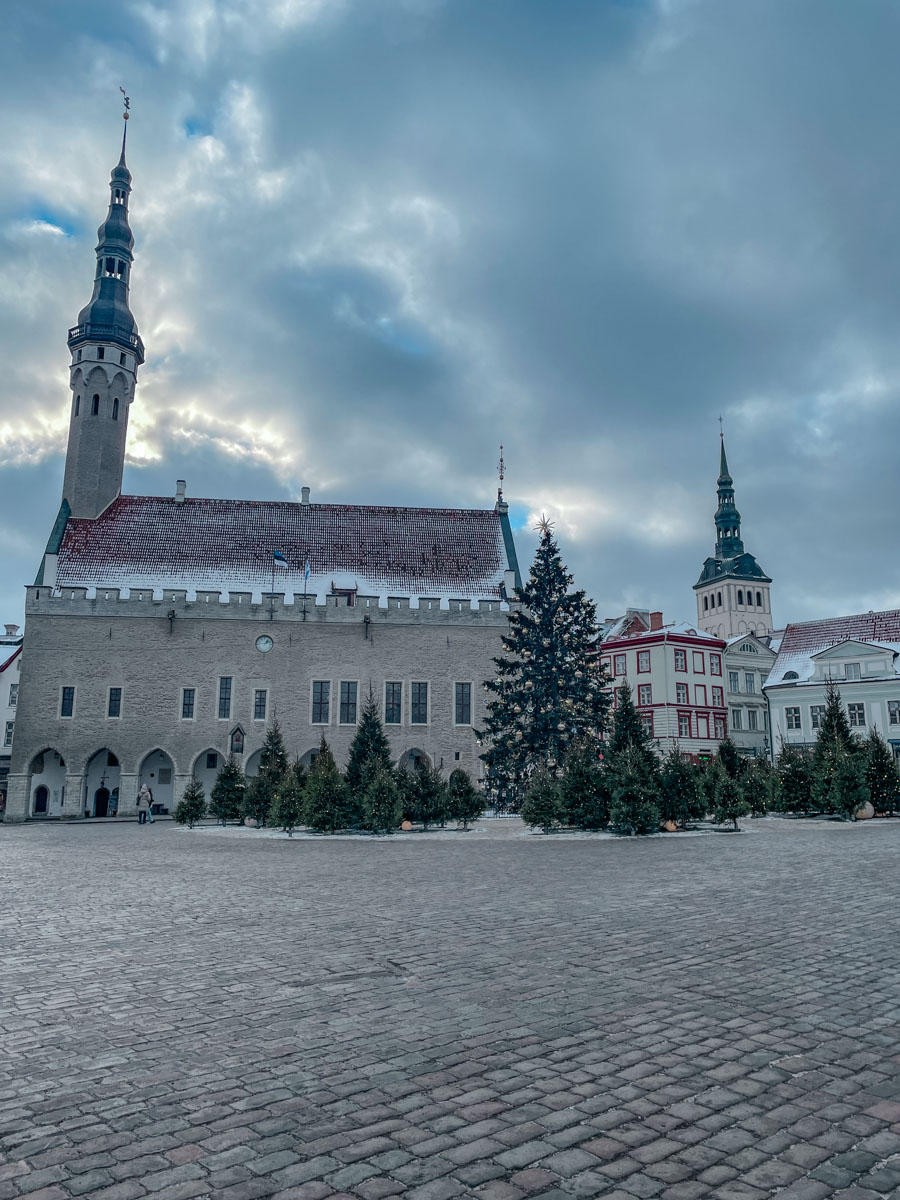
In summer, cruise ships dock regularly in Tallinn. As a result, Town Hall Square and popular viewpoints can fill quickly, and the narrow cobblestone streets can sometimes feel congested during the afternoon.
During those seasons, it’s best to visit in the mornings and after sunset. It’s also a good idea to visit during shoulder seasons like fall or early spring, which offer a more peaceful experience.
Winter is cold in Tallinn, but it’s a good time to visit if you want less crowds, and the snow gives it a unique feel. The less crowds there are, the better, so you can fully enjoy wandering through Old Town.
Weather Considerations
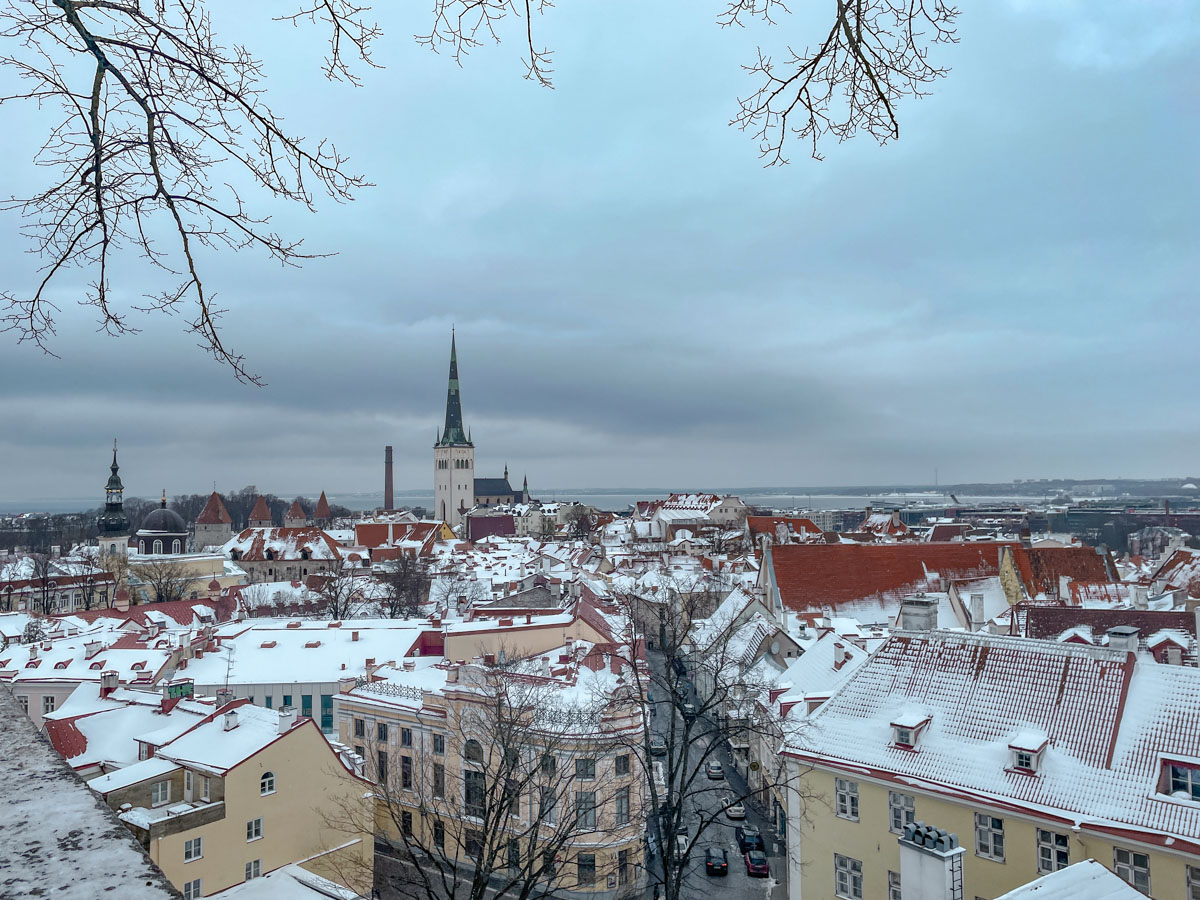
Even though winter can be a good season to visit because of the small crowds, Tallinn’s winters are cold, and daylight hours are short. Temperatures can drop well below freezing, and you need proper layers, waterproof boots, and warm accessories to stay comfortable.
But that’s honestly the only downside to Tallinn when it comes to the weather. It can get rainy in the autumn, but generally, fall, spring, and summer are great seasons to visit. Summers are mild and surprisingly bright, with long daylight hours that make sightseeing very easy and fun.
Keep in mind that Baltic weather can shift quickly, so it’s a good idea to pack layers year-round to protect from wind, rain, and snow.
Pricier than Other Baltic Capitals
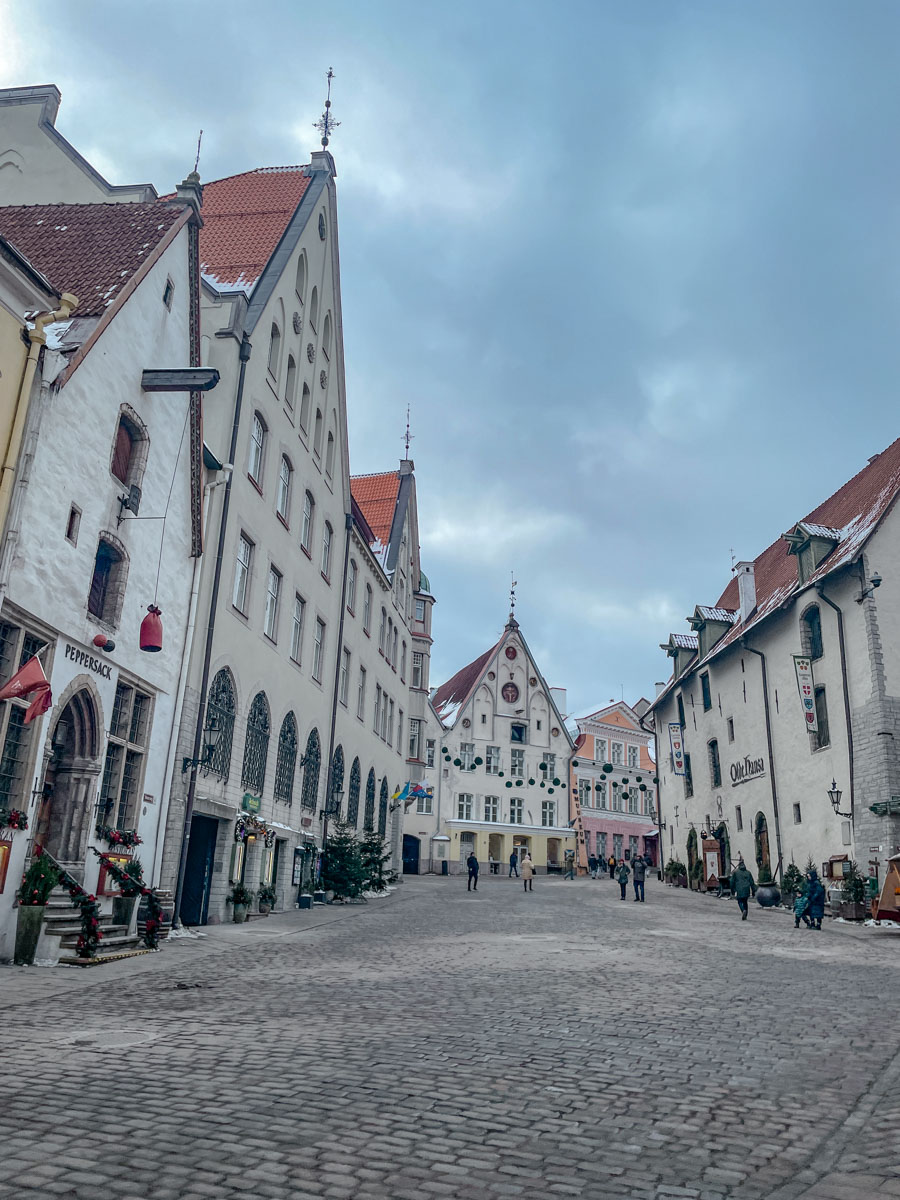
Compared to Riga or Vilnius, Tallinn is slightly more expensive. Dining prices and boutique hotels often reflect Estonia’s Nordic influence, and the city’s proximity to Finland shapes pricing trends.
But if you’re comparing Tallinn to many Western European or Scandinavian cities, many things are super affordable.
I found affordable cafés like Faehlmann Kohvik and Revial cafe, casual eateries like III Draakon pub and Vana Villiemi Pubi, great Asian food at New Thai (their pad see ew was delicious!), and clean mid-range hotels without much difficulty.
Markets like Balti Jaama Market offer budget-friendly food options as well, so Tallinn does not have to break your budget.
Who Should Visit Tallinn?
Tallinn is great for its balance of old and new. It has a good mix of historic architecture, modern amenities, and proximity to nature. I would say in general, most visitors should appreciate Tallinn, but the city is especially great for these types of travelers:
- History and Architecture Lovers – If you love medieval towers, Gothic churches, and preserved city walls, Tallinn is literally a dream come true. For the best experience, explore Old Town via a guided tour and soak up all of the history as you walk through 13th-century buildings.
- Foodies – Estonia has some hearty dishes and drinks that you can’t get anywhere else. Think delicious pies, soups, and fresh seafood. For the best experience, consider exploring Tallinn via a food tour, where you can eat like a local and sample creative dishes!
- Digital Nomads, Creatives, and Entrepreneurs – Estonia is often nicknamed e-stonia for the growing opportunities for entrepreneurs and digital nomads in the country. The city has a strong startup culture, with some incredible cafes where you can see people working remotely and discussing business over coffee. Telliskivi Creative City and Kalamaja are great for creatives as well, and with plenty of creative studios and design shops that are cool to explore.
- Budget-Conscious Travelers – Tallinn delivers similar Scandinavian aesthetics at lower prices than Stockholm or Helsinki. You get the Nordic atmosphere without the cost of traveling to a country like Norway or Sweden.
Tips for Making the Most of Your Visit
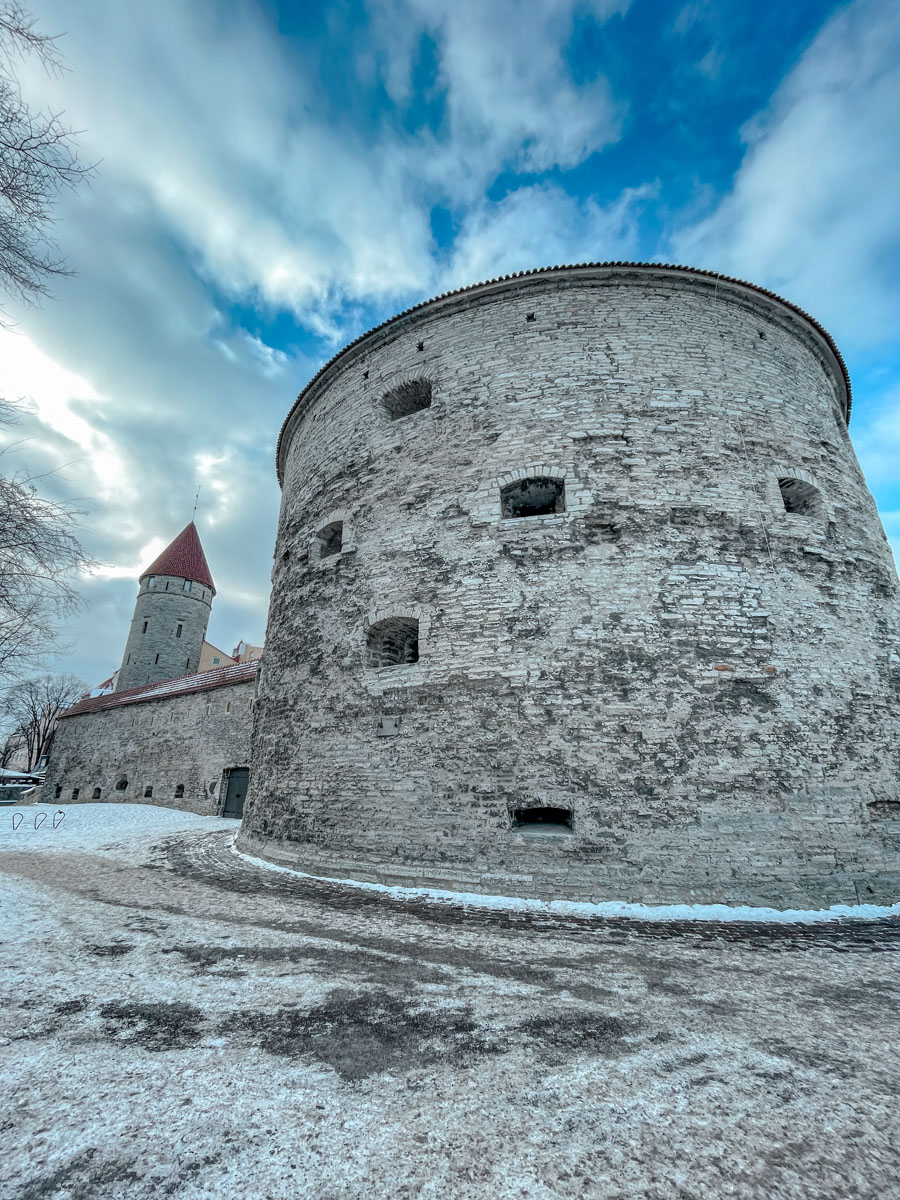
I recommend taking your time in Tallinn and soaking up as much history as you can. The beautiful cobblestoned streets become far more meaningful with context. These are my top tips for making the most out of your visit to Estonia’s capital:
- Take a guided walking tour to understand Estonia’s complex past and layered identity.
- Visit viewpoints early or at sunset for softer light and fewer crowds.
- Explore beyond Old Town to neighborhoods like Kalamaja and Telliskivi.
- Try traditional Estonian dishes such as rye bread, elk soup, or local pastries.
- Dress in layers, especially in winter, because the weather can shift quickly.
Where to Stay in Tallinn, Estonia
Tallinn has accommodation options for every type of traveler, from simple budget stays to elegant boutique hotels. Because the city is so compact and walkable, where you stay can make a big difference in how easy it is to explore. I personally recommend choosing a hotel in or close to Old Town. It allows you to wander the cobblestone streets whenever you want without constantly thinking about transportation.
- Budget: Citybox Tallinn City Center – If you’re looking for something affordable that still feels modern and clean, this is a great option. The rooms are simple but thoughtfully designed, with comfortable beds and spotless bathrooms. It’s not luxurious, but everything feels fresh, efficient, and well-maintained. It’s also just a short walk to Old Town, which makes sightseeing very convenient. Book your stay.
- Mid-Range: Nunne Boutique Hotel – Cozy, charming, and perfectly located right inside Old Town. The rooms feel warm and inviting rather than overly corporate, with thoughtful decor and a comfortable atmosphere. It’s one of those places that fits perfectly with Tallinn’s historic character. Book your stay.
- Mid-Luxury: Hilton Tallinn Park – If you want something a little more polished and upscale, this hotel is a fantastic choice. It’s about a 15-minute walk from the city center, so you’re still close to the main sights without being in the busiest part of Old Town. The rooms are spacious, modern, and very comfortable, with large windows that offer great views of the city. Book your stay.
- Luxury: The Burman Hotel – Elegant, refined, and perfect if you want a more boutique luxury experience in Tallinn. The interiors feel beautifully curated, and the attention to detail really stands out throughout the property. Rooms are stylish and comfortable, and the service tends to feel more personalized. If you’re celebrating something special or simply want to treat yourself, this is a wonderful place to stay. Book your stay.
Is Tallinn Worth Visiting: Frequently Asked Questions
Is Tallinn worth visiting for tourists?
Yes, especially if you enjoy history, architecture, and you want to explore a Nordic-feeling city without the Nordic prices. Tallinn is full of medieval charm with modern creativity, and is compact and easy to walk around.
How many days do I need in Tallinn?
Two to three days is ideal for most travelers. You can explore Old Town, visit key museums, and enjoy local cuisine. Add extra days for parks or day trips to nature areas!
Is Tallinn expensive for tourists?
Tallinn is moderately priced overall. It costs more than other Baltic cities like Riga and Vilnius, but less than Scandinavian cities like Stockholm and Helsinki. Accommodation, dining, and attractions offer a range of options, so you can really visit the city on any budget.
Which is prettier, Riga or Tallinn?
This depends entirely on your aesthetic preference. Tallinn feels more medieval and compact, with fairytale-like streets. Riga offers grand Art Nouveau architecture and a broader city layout. Tallinn is more compact and storybook-like (think jousters, knights, etc.), while Riga feels more elegant and expansive.
Conclusion
So, is Tallinn worth visiting? In my experience, absolutely. It offers medieval beauty, meaningful history, scenic viewpoints, and has a creative, modern side that makes it a popular destination for digital nomads and all kinds of travelers.
Tallinn is a destination you should not overlook. It’s a super walkable city, the prices are better than other Nordic cities with the same Nordic vibes, and you’ll have a great time!
Happy travels.

About the Author
Sasha is the founder of Little Happy Travels, a blog with tips and inspiration for combining work + travel and living the digital nomad lifestyle. As a business coach and remote worker, she’s spent the last few years traveling the world while helping others do the same. Follow for guides, tips, and personal stories on working from anywhere!